
Plants
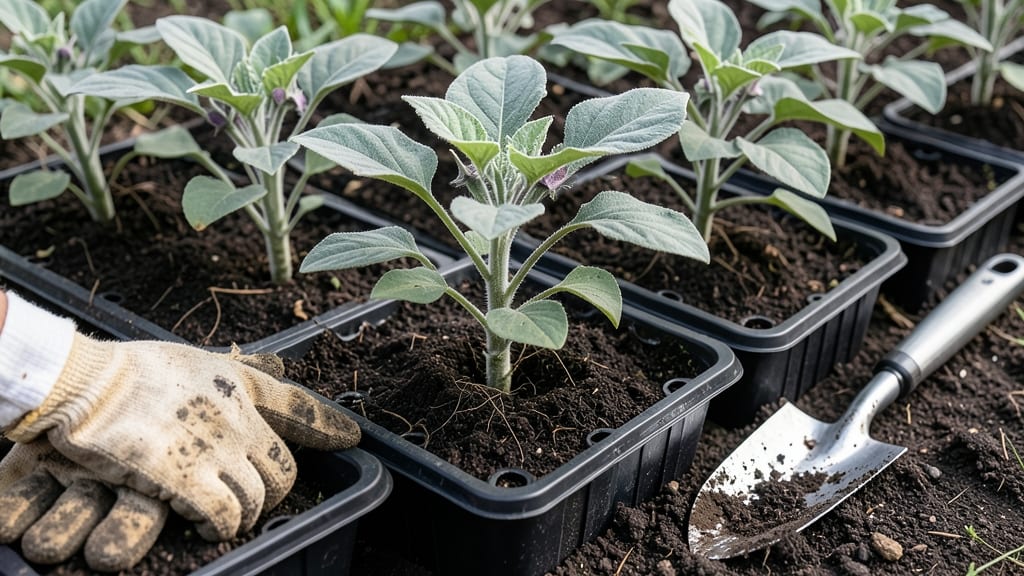
Knowing when to plant eggplant in NC can mean the difference between a thriving garden and a sad, wilted 🍆. North Carolina’s warm climate is perfect for these heat-loving plants, but timing is everything—plant too early, and you’ll risk frost damage or stunted growth.
Most gardeners in zones 7a-8b wait until April 15 to June 15, after the last frost has passed and soil temperatures hit at least 70°F. This ensures strong roots and healthy growth, setting your plants up for a bountiful harvest from July to October.
But here’s the catch: eggplants hate cold soil. If you’re eager to start early, consider sowing seeds indoors 6-8 weeks before transplanting. This gives you a head start while avoiding the risks of premature outdoor planting.
Ready to grow? I’ll walk you through the exact steps—from soil prep to transplanting—to guarantee your eggplants flourish in North Carolina’s heat. Let’s get started!
North Carolina eggplant planting zones & frost-free timing guide
North Carolina spans USDA zones 5a-8b, but eggplants—being heat-loving tropicals—only thrive in zones 7a and warmer. That means coastal areas (like Wilmington) and Piedmont regions (Raleigh, Greensboro) have the ideal climate, while mountain zones (Asheville) may struggle unless you extend the season.
The key? Planting after your last frost date and when soil hits 70°F+.
For most of NC, this means waiting until mid-April to June 15, depending on your location. Coastal areas can start as early as late March, while higher elevations should wait until late May.
Check your local NC State Extension office for precise frost dates—because planting too soon can shock young plants and invite pests.
Eggplants need 120-150 frost-free days to mature, so timing is critical. In NC, this translates to a July to October harvest window. If you live in zone 7a (like Charlotte), aim for April 15 transplants.
Zone 8b gardeners (like Fayetteville) can stretch planting until June 1 for a fall harvest.
Here’s the golden rule: Never plant eggplants in cold soil. A soil thermometer is your best friend—wait until readings hit 70°F+ at a 4-inch depth. Cold soil stunts roots, leaving plants vulnerable to disease and pests.
Black plastic mulch can help warm soil faster, giving you a 2-3 week head start on the season.
North Carolina’s humidity and heat can also play tricks. Coastal areas may need shade cloth during peak summer to prevent sunscald, while inland zones should focus on consistent watering to avoid blossom end rot. The right timing balances these factors for a thriving crop.
NC Eggplant Planting Timeline by Zone
| Zone | Last Frost Date | Ideal Planting Window | Soil Temp Requirement | Harvest Window |
|---|---|---|---|---|
| 7a (Charlotte, Asheville) | April 15 | April 15 - May 15 | 70°F+ | July - September |
| 7b (Raleigh, Durham) | March 30 | April 1 - May 30 | 70°F+ | July - October |
| 8a (Greensboro, Fayetteville) | March 15 | March 15 - June 1 | 70°F+ | June - October |
| 8b (Wilmington, Coastal) | February 15 | February 20 - June 15 | 70°F+ | May - November |
🌱 Pro Tip: Use row covers to extend coastal planting into late June for a fall harvest.
If you’re in a shorter-season zone (like Asheville), opt for fast-maturing varieties like ‘Black Beauty’ (60 days) or ‘Ichiban’ (55 days). These can squeeze in a harvest before NC’s first frost in November.
For longer seasons (coastal areas), try heirloom varieties like ‘Rosa Bianca’ (80 days) for a late harvest.
One common mistake? Assuming all of NC has the same frost dates. Mountain regions freeze earlier than the coast, so adjust your schedule accordingly. For example, Asheville’s last frost is May 15, while Wilmington’s is February 15. Use this USDA frost map to pinpoint your exact timing.
For container gardeners, black pots absorb heat faster, helping warm roots quicker. Place containers in full sun and use self-watering systems to maintain consistent moisture. Eggplants in pots may need 1-2 extra weeks of warm soil before transplanting outdoors.
Remember: Eggplants are sensitive to temperature swings. If nighttime temps drop below 60°F, growth stalls. Use row covers or cloches to protect young plants during cool snaps. With the right timing, your NC eggplant plants will reward you with glossy, plump fruits all season long.
Step-by-step eggplant planting schedule for NC gardens
North Carolina’s variable climate means your eggplant’s success hinges on precise timing. Start seeds indoors 6-8 weeks before your last frost date—typically mid-March for most regions.
For coastal areas, adjust to late March due to cooler springs. Use grow lights to prevent leggy seedlings, and keep soil 70°F+ for germination.
Transplant seedlings outdoors after May 15 when soil consistently stays above 70°F. Harden off seedlings by gradually exposing them to outdoor conditions over 1-2 weeks. Avoid transplanting if nighttime temps drop below 55°F, as this causes cold shock and stunted growth.
- March 1-15: Start seeds indoors with grow lights (6-8 weeks before last frost).
- April 1-30: Harden off seedlings outdoors (gradual exposure to sunlight).
- May 15-31: Transplant after soil reaches 70°F+ and nighttime temps stay above 55°F.
- June 1-15: Use black plastic mulch to warm soil and extend harvest season.
- July-October: Harvest 60-120 days after transplanting (varies by variety).
For a longer harvest season, consider planting succession crops every 2-3 weeks after the initial transplant. Use row covers to protect young plants from late spring frosts or heat stress in summer. Remove covers once flowers appear to encourage pollination and fruit set.
In southern NC (Zones 8a-8b), you can even plant a second crop in late June for a fall harvest. Choose heat-tolerant varieties like ‘Black Beauty’ or ‘Ichiban’ for better success in high-heat conditions. Always space plants 18-24 inches apart to improve airflow and reduce disease risk.
Monitor your eggplant’s growth stage closely. Once plants reach 6 inches tall, begin fertilizing with a balanced 10-10-10 mix every 4-6 weeks. Avoid over-fertilizing, as this can lead to excessive foliage and fewer fruits. Prune suckers regularly to direct energy toward fruit production.
By following this schedule, you’ll maximize your eggplant’s potential in North Carolina’s climate. Whether you’re a beginner gardener or a seasoned pro, precise timing and soil warmth are the keys to a bountiful harvest from July through October. 🌱