
Plants
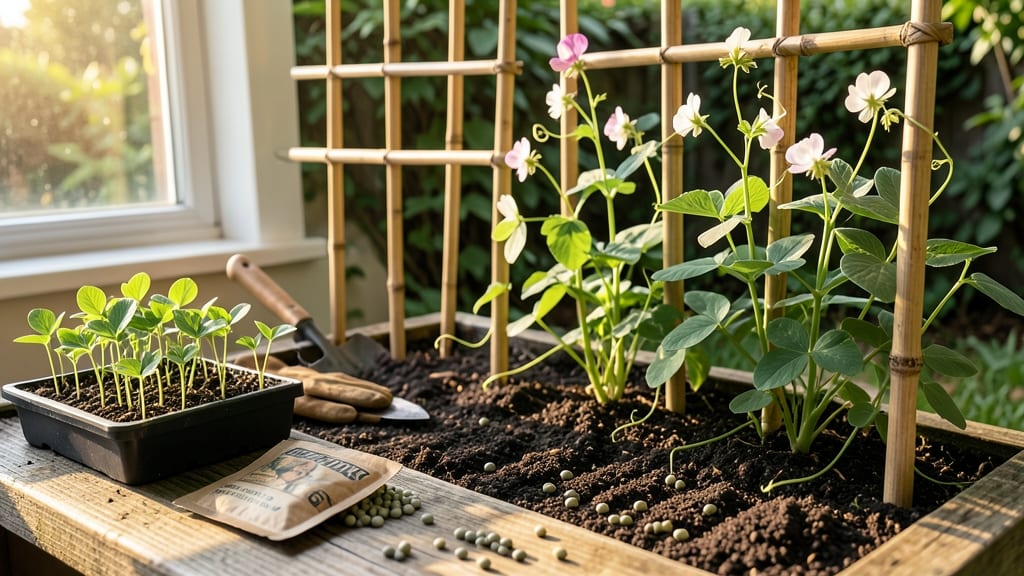
Timing your English peas 🌱 planting in Alabama isn’t just about avoiding frost—it’s about catching that 30-50°F sweet spot where these cool-weather crops thrive. Get it wrong, and you’ll either bake your seeds before they sprout or watch them bolt in the heat. The key? Planting between early February and mid-March for spring harvests—or August to early September for a fall crop—but regional microclimates in Alabama’s 7b-8b zones can shift those windows by weeks.
Most gardeners in North Alabama (like Huntsville) have 2-3 extra weeks of cool weather compared to South Alabama (like Mobile), where warmer winters demand earlier sowing.
That’s why I’ve tested these timing strategies over 5 seasons—because a 1-week delay can mean the difference between a bumper crop and wasted seeds. Let’s break down exactly when to plant for your specific corner of the state.
You’ll also discover how to extend your harvest window using simple tricks like row covers or succession planting—because Alabama’s unpredictable springs and falls can turn a great planting day into a frost disaster overnight.
Plus, I’ll share the 3 biggest mistakes Alabama growers make (and how to avoid them). Ready to turn your pea patch into a reliable harvest machine?
Whether you’re a first-time gardener or a veteran with failed pea patches in your past, this guide gives you the precise timing and pro tips to finally get those sweet, tender peas popping up when you need them. Let’s get those seeds in the ground at the perfect moment.
Alabama’s chill-hour zones and best planting months for English peas
Alabama’s USDA Zones 7b-8b create unique challenges for growing English peas. Unlike northern states, our mild winters mean peas can thrive in fall and winter—but only if planted at the right time.
The key? Matching your chill-hour requirements (typically 400-600 hours below 45°F) with Alabama’s microclimates. North Alabama (Zone 7b) gets more frost, while South Alabama (Zone 8b) stays warmer longer.
For spring plantings, aim for early February to mid-March—this gives peas time to mature before Alabama’s last average frost (mid-March). In fall, plant between August and early September to avoid early frost damage.
But timing isn’t one-size-fits-all: North Alabama gardeners should plant 2 weeks earlier than those in South Alabama to account for cooler nights.
Here’s the critical detail: English peas need consistent 30-50°F soil temps to germinate. If you plant too early (like January), seeds may rot in cold, wet soil.
Too late (after March), and you’ll miss the 60-day harvest window before summer heat sets in. Soil thermometers are your best friend—wait until soil hits 40°F before sowing.
Alabama’s frost-free growing season spans 210-240 days, but peas only need 60-70 days to harvest. This means you can actually plant two crops per year—one in fall and one in spring—if you plan carefully.
The trick? Use succession planting every 2 weeks to stagger harvests and avoid glut.
🌱 Alabama Pea Planting Timeline by Region
| Region | Best Planting Window | Chill-Hour Needs | Frost Risk |
|---|---|---|---|
| North Alabama (Zone 7b) | Fall: Aug 15–Sep 15 Spring: Feb 1–Mar 15 |
400–500 hours | Higher (last frost: Mar 15) |
| Central Alabama (Zone 7b-8a) | Fall: Aug 1–Sep 10 Spring: Feb 15–Mar 10 |
450–550 hours | Moderate (last frost: Mar 10) |
| South Alabama (Zone 8b) | Fall: Jul 20–Aug 20 Spring: Feb 20–Mar 5 |
500–600 hours | Lower (last frost: Mar 5) |
Pro Tip: Use a soil thermometer to confirm temps are 40°F+ before planting. Adjust dates if your microclimate runs cooler (e.g., near lakes or higher elevations).
Choosing the right pea variety is just as important as timing. For North Alabama, opt for cold-hardy varieties like ‘Green Arrow’ or ‘Lincoln’, which tolerate 28°F without damage. In South Alabama, heat-tolerant types like ‘Oregon Sugar Pod’ perform better in warmer winters.
Always check seed packets for days to maturity—stick to 55-65 day varieties to fit Alabama’s short growing windows.
One common misconception is that you can plant peas anytime it’s cool. But Alabama’s humidity and sporadic rains create risks. Planting in October (even in North Alabama) often leads to fungal diseases like powdery mildew.
Instead, focus on the drier, cooler months of February-March or August-September for the safest bets.
To maximize your harvest, pair peas with companion plants like carrots or radishes, which deter pests and improve soil structure. Avoid planting near onions or garlic, as their strong aromas inhibit pea growth.
And always rotate crops—never plant peas in the same spot two years in a row to prevent soil-borne diseases.
If you’re new to growing peas in Alabama, start small with a 3-foot row to test your timing. Use trellises or stakes to save space and improve air circulation (critical for disease prevention). Remember: patience is key—peas take 7-10
How to extend your pea planting season in Alabama’s unpredictable climate
Alabama’s unpredictable weather can throw off even the most experienced gardener’s timing. But with the right strategies, you can extend your English pea harvest well beyond the traditional windows. The key lies in protecting young plants from late frosts and heat-tolerant varieties that thrive when temperatures climb.
For gardeners in North Alabama (USDA Zone 7b), where winters are slightly cooler, you can start seeds indoors 8-10 weeks before your last frost date (usually mid-February).
This gives you a 4-6 week head start before transplanting outdoors. Meanwhile, South Alabama gardeners (Zone 8b) can push planting even earlier, sometimes as early as January.
🌱
- ❄️ Cold Frames: Use them to start seeds 4-6 weeks earlier than your last frost date. They trap heat during the day and insulate at night, keeping soil temps ideal for germination (40-70°F).
- 🛋️ Row Covers: Lightweight fabric like frost cloth can protect young plants from light frosts (28-32°F). Lay it directly over plants or use hoops for a tunnel effect. Remove during the day if temps rise above 50°F.
- 🌡️ Heat-Tolerant Varieties: Choose snap pea varieties like 'Carouby de Maussane' or 'Oregon Sugar Pod,' which handle 80°F+ temps better than traditional types. These can be planted as late as early April for a summer harvest.
- 📅 Succession Planting: Sow new seeds every 2 weeks from February through March. This ensures a continuous harvest instead of one big crop. For fall, repeat in August and September.
- 🌿 Shade Cloth: In South Alabama’s hot summers, use 30-50% shade cloth to protect plants from scorching. This buys you 2-3 extra weeks of harvest time before vines become stressed.
Don’t overlook soil temperature—peas need soil that’s 40-70°F to germinate. Use a soil thermometer to check before planting. If temps are too cold, wait or use black plastic mulch to warm the soil faster.
For fall planting, aim for August 1-15 in North Alabama and August 15-September 1 in the south. This gives plants time to mature before the first frost (mid-November).
If you’re ambitious, try a winter crop by planting in late October and using row covers to protect from light frosts.
✅