
Plants
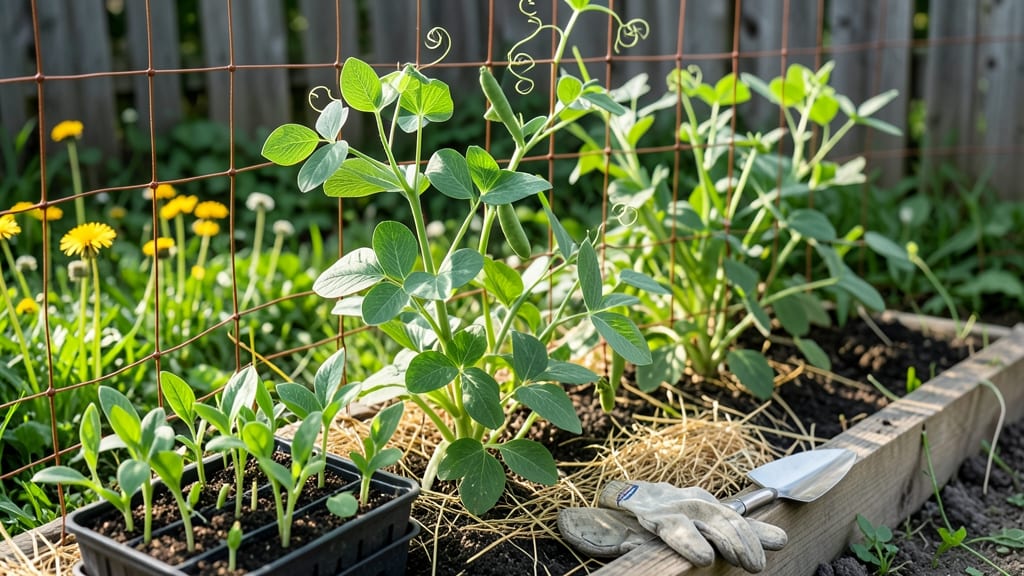
Timing your English pea 🌱 planting in Zone 8 can mean the difference between a bountiful harvest and bitter disappointment. Unlike hardy crops, these cool-season favorites bolt—or go to seed—when temperatures rise, leaving you with tough, stringy pods instead of sweet, tender treats.
Most gardeners in Zone 8 focus on spring planting, but fall offers a secret advantage: cooler soil and longer daylight hours that delay bolting.
The key is planting 4-6 weeks before your last frost date (typically late December) for spring harvests or 2-3 months before your first frost (mid-January) for fall crops.
Why does this matter? Peas thrive in 40-85°F soil, and Zone 8’s unpredictable swings can turn a promising crop into a flop. I’ll break down the exact frost-free window, soil prep tips, and how to adjust for your local microclimate—whether you’re in Sacramento’s coastal chill or Phoenix’s desert heat.
Ready to avoid the common mistakes that leave Zone 8 gardeners scratching their heads? Let’s dive into the perfect planting schedule so you can enjoy fresh peas straight from your garden all season long.

Optimal planting window for English peas in Zone 8 to avoid bolting
Zone 8’s mild winters and hot summers create a tricky window for growing English peas. Unlike northern climates, you can plant twice—once in early fall and again in late winter. The key is avoiding frost damage and heat-induced bolting, which turns sweet peas into bitter, stringy failures.
For spring harvests, aim to sow seeds 4-6 weeks before your last frost date (typically late February to early March in most of Zone 8). For fall harvests, plant 2-3 months before your first frost (usually September to early October).
This timing ensures peas mature before summer heat triggers bolting.
Your exact dates depend on your local microclimate. Coastal areas like San Diego may have later frost dates than inland deserts like Phoenix.
Check your USDA Zone 8 sub-region—some areas (like Sacramento) can handle November sowings, while others (like Las Vegas) must plant by September.
Soil temperature is just as critical as air temperature. English peas germinate best in soils between 40-85°F. Use a soil thermometer to confirm—if your soil is below 40°F, wait for warmer days.
In Zone 8’s desert areas, this might mean planting in December for a spring harvest.
Direct sowing is the safest method for Zone 8 peas. Transplants struggle with root shock in heat, and seedlings grow slowly when soil temps fluctuate. Sow seeds 1 inch deep, 2-3 inches apart, and provide trellis support early—peas need it to climb and avoid disease.
Here’s how your Zone 8 planting schedule breaks down by region:
| Region | Fall Planting Window | Spring Planting Window | Key Risk |
|---|---|---|---|
| Coastal (San Diego, LA) | Late Sept - Oct | Feb - March | Heat stress in summer |
| Inland (Sacramento, Fresno) | Early Sept - Oct | Jan - Feb | Late frost risk |
| Desert (Phoenix, Vegas) | Aug - Early Sept | Dec - Jan | Extreme heat bolting |
If you’re unsure about your local frost dates, use the National Weather Service or your local Cooperative Extension office. For example, Sacramento’s last frost averages January 15, while Phoenix rarely sees frost, so gardeners there focus on cool-season prep.
Pro tip: Succession planting every 2 weeks extends your harvest. Start with early-maturing varieties (like ‘Sugar Snap’ or ‘Little Marvel’) to ensure a steady supply. Avoid late-spring plantings—by April, Zone 8 heat will cause peas to bolt within 3 weeks.
For container growers, use 5-gallon pots with well-draining soil and plant 3-4 seeds per container. Containers warm up faster in spring, so monitor soil temps closely. In Zone 8’s hotter areas, shade cloth (30-50%) can delay bolting by 10-14 days.
Remember: Peas are cool-season champions, but they hate heat and drought. With the right timing, you’ll enjoy sweet, tender pods from February to May—or even a fall harvest if you plant early enough. The secret? Plant early, harvest often, and avoid the summer slump.
3 Critical factors that determine your pea planting schedule in Zone 8
Zone 8’s diverse microclimates—from Phoenix’s desert heat to Sacramento’s coastal breezes—make pea planting timing more complex than just checking frost dates. Beyond frost, three factors dictate your success: daylength sensitivity, soil moisture retention, and altitude adjustments. Ignoring these can turn your sweet pea dreams into bitter disappointment.
First, daylength matters. Most English peas are long-day varieties, meaning they need 14+ hours of daylight to thrive. In Zone 8, this translates to planting fall crops (September-October) for winter harvests or early spring (February-March) to avoid heat-induced bolting.
Short-day varieties (like ‘Sugar Snap’) are rarer but can handle shorter days better.
Next, soil temperature is non-negotiable. Peas sprout best in 40–85°F soil. Use a soil thermometer—if it’s below 40°F, wait. In desert areas (e.g., Phoenix), soil heats up faster; coastal zones (e.g., San Diego) stay cooler longer.
Mulch with straw to stabilize temperatures and retain moisture, especially in spring plantings when evaporation spikes.
Don’t overlook altitude. A Zone 8 garden in Phoenix (1,100 ft) has a longer frost-free window than one in Flagstaff (7,000 ft). Use this rule: add 1 day of frost-free time per 100 ft elevation gain.
For example, if your last frost is January 15 at sea level, plant 10 days earlier at 1,000 ft.
Pro tip: Reverse-calculate planting dates using your seed packet’s “days to maturity”. For a 60-day variety, plant 60 days before your target harvest date.
In Zone 8, aim for harvests in April (spring) or January (fall) to avoid heat stress. Example: For a January harvest, plant by November 1.
Finally, microclimates rule. A south-facing slope warms faster than a north-facing garden. Observe your space: Shade from trees? Plant 2 weeks later. Reflective surfaces (patio, driveway)? Plant 1 week earlier. Zone 8’s variability means your neighbor’s “perfect” timing might fail in your garden—adjust accordingly!