
Plants
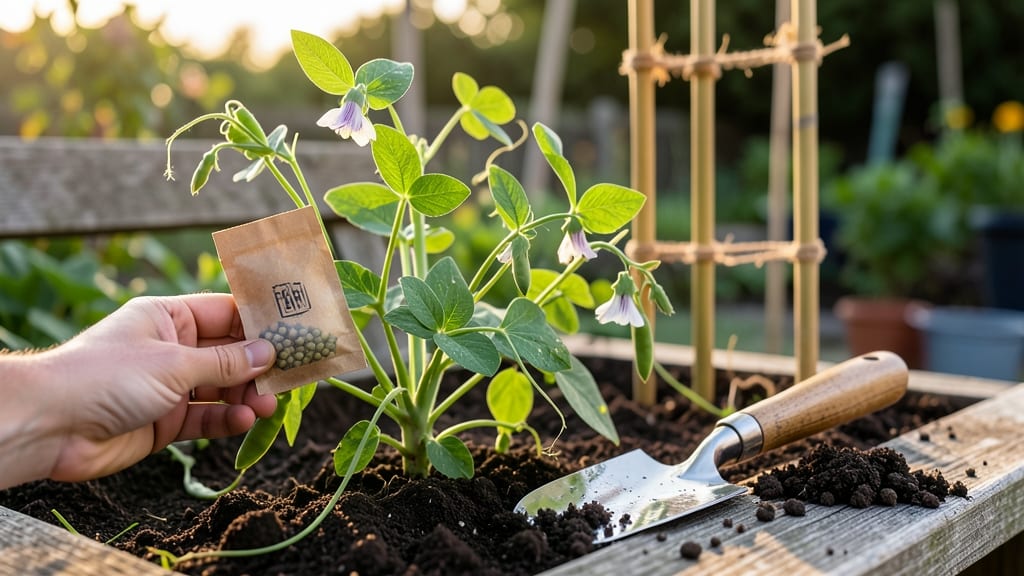
Knowing when to plant English peas in Zone 7 can make the difference between a bountiful harvest and struggling vines. These cold-hardy 🌱 beauties love spring's crisp air, but timing matters—plant too early, and frost will damage tender shoots; too late, and you'll miss the sweetest pods.
In Zone 7, your best window runs from February through May, with peak success between March and April. The secret? Aim for soil temps around 40-50°F—just warm enough for roots to thrive but cool enough to prevent bolting.
I've found that planting 4-6 weeks before your last frost date (usually around March 15) gives vines the jumpstart they need.
But here's where most gardeners go wrong: they focus only on spring planting. Did you know you can also sow peas in late summer for a fall harvest? With proper spacing and frost protection, you can extend your season well into November.
Let me show you exactly how to time it right for both spring and fall plantings.
Whether you're a first-time gardener or a seasoned pro, mastering this timing will give you stronger vines, better yields, and peas that taste sweeter than store-bought. Ready to unlock the perfect planting schedule for your Zone 7 garden?

Best planting windows for English peas in Zone 7 (frost dates & soil temps)
English peas are one of the first cool-season crops you can plant in Zone 7, but timing is everything. The ideal window is 4-6 weeks before your last expected frost date—typically mid-February to early April in most Zone 7 regions.
This gives your peas time to establish roots before warmer temperatures arrive. Missing this window can lead to weak vines or poor yields, even though peas are frost-tolerant.
For a second harvest, consider a late summer planting in August for a fall crop. However, this requires careful monitoring of soil temperatures, which should stay below 80°F to prevent flowering issues.
Many gardeners skip fall planting in Zone 7 due to the risk of overheating, but it’s worth testing in cooler microclimates.
Soil temperature is just as critical as air temperature. English peas germinate best in soil that’s 40-50°F. Use a soil thermometer to check—if it’s colder than 40°F, wait a week or two.
Warmer soil speeds up germination but can also attract pests like pea weevils, which thrive in 60°F+ conditions.
Zone 7’s microclimates play a huge role in timing. Urban areas with concrete heat retention may need to plant 2-3 weeks later than rural spots. If you’re near large bodies of water or in higher elevations within Zone 7, you can plant 2 weeks earlier since frost dates shift.
Always check your local USDA frost calendar for precise dates.
| Planting Window | Soil Temp | Frost Risk | Notes |
|---|---|---|---|
| Mid-February to Early March | 40-45°F | High (early frost possible) | Best for early varieties; use row covers if frost threatens. |
| Late March to Mid-April | 45-50°F | Moderate (last frost window) | Ideal timing for most Zone 7 gardeners; minimal frost risk. |
| August (Fall Planting) | Below 80°F | Low (if planted early August) | Risky in hot Zone 7 summers; best for cooler microclimates. |
If you’re unsure about your local frost dates, use the National Weather Service’s frost prediction maps or ask your local Cooperative Extension Service for tailored advice. Many Zone 7 gardeners also rely on historical records from nearby weather stations to refine their planting schedule.
For example, if your area averages a March 15 last frost date, aim to plant by February 15 for a safe margin.
Avoid planting English peas in late spring or summer unless you’re using shade cloth to protect them from heat stress. Temperatures above 85°F can cause peas to bolt (flower prematurely) or develop poor-quality pods.
If you miss the spring window, consider container gardening with partial shade to extend your growing season.
Pro tip: Test your soil temperature for 3-4 days before planting. Early mornings are the coolest, so check temperatures then. If your soil is consistently below 40°F, wait another week—cold soil delays germination and weakens seedlings. A simple soil thermometer (under $10) is a game-changer for precise timing.
For succession planting, sow new seeds every 2 weeks until mid-April to ensure a continuous harvest. This works especially well for sugar snap peas and snow peas, which have shorter maturity windows. Just remember: each new batch needs 40°F+ soil to germinate successfully.
Finally, pair your planting schedule with companion planting to deter pests. Radishes, lettuce, and carrots grow well alongside peas and help confuse pea weevils. Avoid planting near onions or garlic, which can stunt pea growth due to chemical interactions in the soil.
Best planting windows for English peas in Zone 7 (frost dates & soil temps)
English peas are one of the first cool-season crops you can plant in Zone 7, but timing is everything. The key is to sow seeds when the soil temperature reaches 40-50°F—this ensures strong root growth before warmer weather arrives.
In most of Zone 7, that window opens in early March and closes by mid-April, just before the last frost date (typically around March 15).
If you miss this window, don’t worry—you can still plant peas in late summer (August-September) for a fall harvest. However, avoid planting after early October, as the plants need time to mature before the first frost (usually November 15) hits.
The goal is to give your peas 60-75 days of growing time before frost arrives.
📅 Pro Tip: Use a soil thermometer to confirm temperatures—cold, wet soil can delay germination. If your soil is still too cold, opt for a cold frame or row cover to create a warmer microclimate.
| Planting Window | Soil Temp | Last Frost Risk | Days to Harvest |
|---|---|---|---|
| Early Spring (March) | 40-50°F | Low (after March 15) | 60-75 days |
| Late Summer (August-Sept) | 50-60°F | Moderate (before Nov 15) | 50-60 days |
| Avoid: Late April-May | Above 60°F | High (heat stress) | Poor germination |
For Zone 7 gardeners, microclimates matter. If you live in a cooler microclimate (like a valley or shaded area), you can plant peas 2-3 weeks earlier. Conversely, in warmer microclimates (urban heat islands or south-facing slopes), delay planting until late March to avoid heat stress.
Always check your local frost dates—they can vary by 1-2 weeks even within the same zone.
One common mistake is planting peas too close to the last frost date. If frost hits before your peas mature, you’ll end up with bitter, underdeveloped pods. Aim to plant 4-6 weeks before your average last frost date for a reliable harvest.
For example, if your last frost is March 20, plant by February 15.
Finally, consider succession planting every 2 weeks in early spring to stretch your harvest. This ensures a steady supply of fresh peas instead of a single overwhelming crop. For fall plantings, stick to fast-maturing varieties like 'Little Marvel' to beat the frost.
With the right timing, your English peas will thrive in Zone 7’s cool climate—just don’t rush the process! 🌱