
Plants
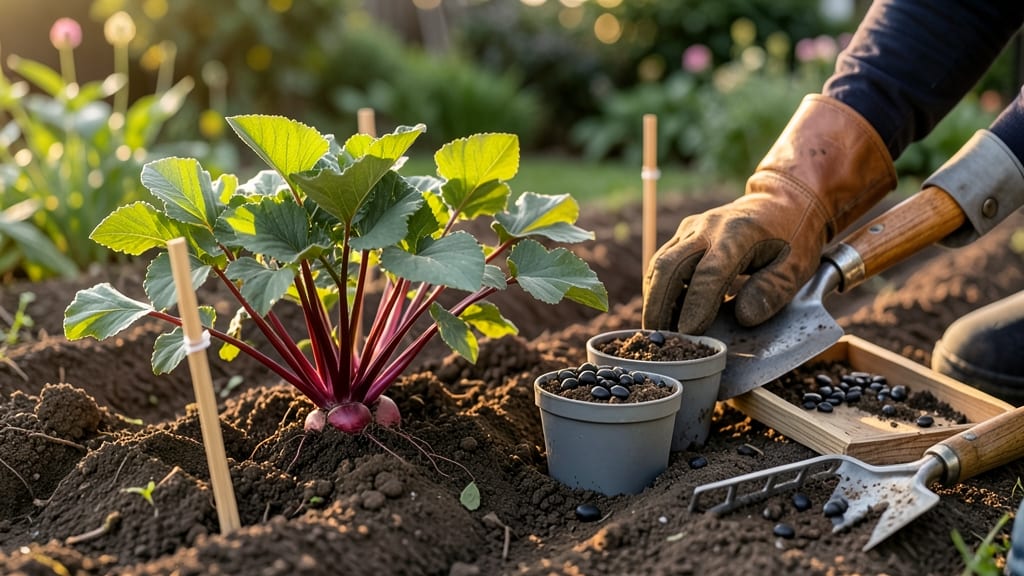
Planting fall beets in Zone 7 at the wrong time can turn your sweet harvest into tough, bitter roots—so timing is everything. The 60-70 day growth window means you’ve got just a few weeks to get it right before frost sets in.
Whether you're a first-time gardener or a seasoned green thumb, knowing exactly when to plant ensures you’ll enjoy those tender, earthy roots all the way into winter.
In Zone 7, where first frost typically arrives around mid-November, your planting window opens in late summer. Aim for 4-6 weeks before frost—that’s usually late August to early September—to give your 🍠 beets enough time to mature before the cold hits.
This timing balances heat tolerance and frost resistance, so you avoid both bolting in summer heat and woody roots from late planting.
Why does this matter? Because beets planted too early may bolt in the heat, while those planted too late won’t sweeten up before frost.
The key is precision: start seeds indoors or direct-sow outdoors when soil temps drop below 80°F, ensuring your harvest happens just as the weather cools. Let’s break down the exact steps to nail your fall beet planting schedule.
You’ll also discover how to adjust for your specific Zone 7 microclimate—whether you’re in the cooler 7a or slightly warmer 7b—and which beet varieties hold up best in late-season plantings. By the end, you’ll know exactly when to plant for the sweetest, most flavorful fall harvest.

Best fall planting weeks for beets in Zone 7 before frost
In Zone 7, timing your fall beet planting is all about counting backward from your first frost date—typically around November 15. Planting too early risks woody roots, while planting too late leaves you with stunted growth.
The sweet spot? 8 to 12 weeks before frost, which translates to mid-July to early September for most of Zone 7. This window ensures your beets mature before cold sets in, delivering tender, flavorful roots.
For Zone 7a (cooler microclimates), aim for the later end of this range—late July to early August—to avoid summer heat stress. In Zone 7b (warmer areas), you can stretch planting into late August for a late-fall harvest.
The key is soil temperatures: beets thrive when soil stays between 50°F and 75°F, so avoid planting when summer heat peaks above 85°F.
Here’s a quick rule of thumb: 60 to 70 days after planting is your harvest window. If you plant in early August, you’ll harvest in late September to early October, just before frost.
But if you wait until mid-September, your beets may struggle to mature before cold arrives. Balance is everything!
| Planting Window | Zone 7a (Cooler) | Zone 7b (Warmer) | Key Consideration |
|---|---|---|---|
| Early Planting | Late July | Early July | Avoids summer heat stress |
| Ideal Window | Mid-July to early August | Late July to mid-August | Balances growth and frost timing |
| Late Planting | Early September | Late August | Risk of stunted growth |
| Harvest Window | Late Sept to early Oct | Oct to early Nov | Before hard frost (28°F) |
Why does this timing matter? Beets grown in cool fall temperatures develop their signature sweetness. If planted too late, they’ll bolt (send up flower stalks) or develop woody, fibrous roots due to cold stress. Conversely, planting too early in sweltering July heat can cause bolting or poor germination.
The 8-12 week rule ensures your beets mature just as temperatures drop, locking in that perfect balance of sweetness and tenderness.
Pro tip: Use row covers or mulch to extend your harvest window. If frost threatens before your beets are ready, a lightweight cover can protect them for 2-3 extra weeks, giving you time to harvest.
This is especially useful if you’re planting on the later end of your window (late August).
Another critical factor is soil preparation. Before planting, amend your soil with compost or aged manure to improve drainage and fertility. Beets prefer loamy, well-draining soil with a pH of 6.0 to 7.0.
If your soil is heavy clay, mix in sand or perlite to prevent waterlogging, which can lead to rot. Well-prepped soil ensures your beets grow quickly and uniformly, maximizing your harvest.
For succession planting, sow a second batch 4-6 weeks after your first planting. This staggered approach gives you a continuous harvest from late September through November. Just be sure your second planting is done by mid-August to allow enough time for maturation.
This method is perfect for Zone 7b, where the growing season lingers a bit longer.
Watch for bolt-resistant varieties if you’re planting late. Some beets, like Detroit Dark Red or Chioggia, handle cooler temperatures better and are less likely to bolt prematurely. Pair these with companion plants like lettuce or radishes, which thrive in similar conditions and help maximize your garden space.
Finally, keep an eye on your local frost forecast. While the average first frost in Zone 7 is November 15, microclimates can vary. Urban areas may frost earlier, while rural spots might stay warm longer.
Use a frost calendar or weather app to fine-tune your planting dates. Adjusting by 1-2 weeks based on your specific location can make all the difference in your beet harvest.
Best fall planting weeks for beets in Zone 7 before frost
In Zone 7, beets thrive when planted 8-12 weeks before your first frost, which typically lands between mid-August and early September. This timing ensures roots mature before cold sets in, delivering sweet, tender harvests.
Miss this window, and you risk woody, bitter beets or lost crops to frost.
Your first frost date in Zone 7 is usually November 15, so backtrack 60-70 days to pinpoint your ideal planting dates. For example, if you plant on August 20, you’ll harvest just before frost—perfect for a late-fall feast.
Soil temperature is critical: beets grow best in 50-70°F soil. In Zone 7, soil stays warm enough for planting through early September. Use a soil thermometer to confirm—cool soil slows germination and stunts growth.
⚠️ SUMMARY TABLE: BEET PLANTING TIMELINE FOR ZONE 7 ⚠️
| Stage | Action | Notes |
|---|---|---|
| Soil Prep | Test pH (6.0-7.0) | Add compost for fertility |
| Planting Window | Mid-August–Early Sept | 8-12 weeks before frost |
| Germination | 50-70°F soil | Keep moist until sprouts appear |
| Harvest Ready | 60-70 days after planting | Roots 1-3 inches in diameter |
Early planting (mid-August) gives you a longer harvest window, but beets may bolt in hot Zone 7 summers. Late planting (early September) reduces bolting risk but shortens your harvest. Strike a balance by planting half your seeds early and half late for a staggered harvest.
Watch for soil moisture during germination—dry soil delays sprouting. Mulch with straw to retain moisture and regulate soil temperature. In Zone 7’s humid fall, mulch also prevents fungal diseases like leaf spot, which can ruin your crop.
Pro tip: Mark your planting dates on a garden calendar and track days to harvest. Use a planting wheel for Zone 7 to adjust dates if your frost date shifts. For example, if frost comes early, shift planting to late August for a faster turnaround.
Timing is everything—get these weeks right, and you’ll enjoy homegrown beets until December, long after store-bought options disappear. 🌱