
Plants
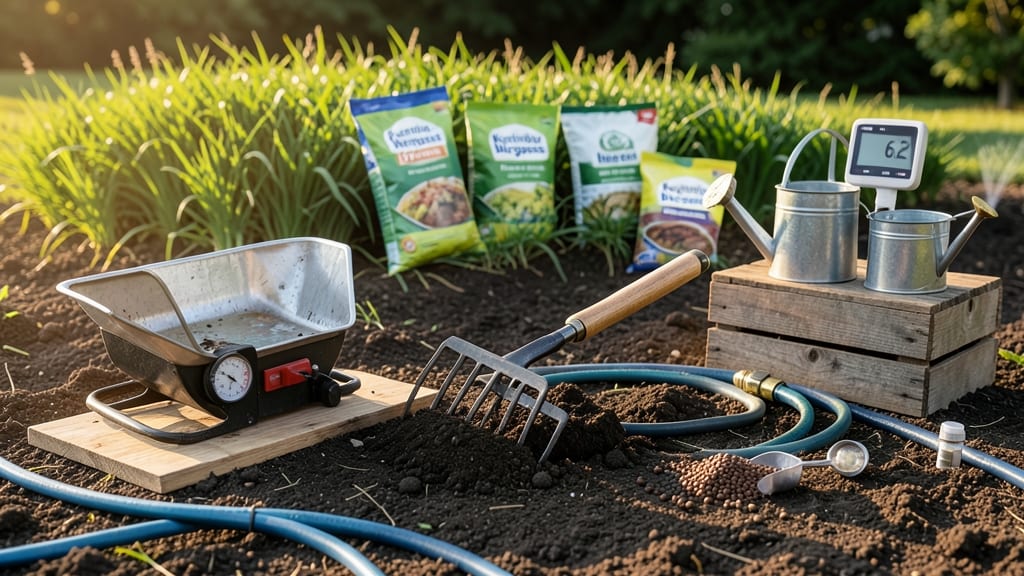
When to plant grass seed in Wisconsin spring isn’t just about waiting for the calendar to flip to May—it’s about catching that sweet spot between frost and heat where your 🌱 lawn stands the best chance of thriving. Wisconsin’s 4a-5b climate means soil temperatures can swing wildly, and planting too early risks frost damage while waiting too long invites summer drought stress.
I’ve learned the hard way that the ideal window is late April through early June, once the soil warms to at least 50°F and nighttime temperatures stay consistently above freezing. This timing gives your grass seed the moisture it craves while avoiding the weed competition that explodes when summer hits.
But here’s the secret most gardeners miss: it’s not just about the date—it’s about the conditions. You’ll want to track your local frost dates (yes, they vary even within Wisconsin) and prepare your soil like a pro.
I’ll walk you through exactly how to set yourself up for a lawn so thick, weeds won’t stand a chance.
Ready to transform your patchy yard into the envy of the neighborhood? Let’s dive into the step-by-step plan that’s worked for Wisconsin homeowners—no guesswork, just results. Your dream lawn starts with the right timing and prep, and I’ve got you covered.
Optimal Wisconsin spring planting windows: frost-free timing by region
Wisconsin’s spring planting window for grass seed hinges on soil temperature and last frost dates, which vary dramatically across the state. Southern Wisconsin (like Madison) typically sees its last frost by mid-April, while northern regions (near the Upper Peninsula) may wait until late May.
Planting too early risks frost damage, while waiting too long can lead to summer heat stress for young seedlings.
For consistent germination, aim for soil temperatures between 50–65°F. Use a soil thermometer (available at garden centers) to confirm—cool-season grasses like Kentucky bluegrass and fine fescue thrive in these conditions.
In Wisconsin’s USDA Zones 4a–5b, this usually translates to late April to early June, but your exact timing depends on your region.
Here’s a quick regional breakdown to help you pinpoint the best planting window for your area:
| Region | Last Frost Date | Ideal Planting Window | Soil Temp Threshold | Key Tip |
|---|---|---|---|---|
| Southern WI (Milwaukee, Madison) | Mid-April | Late April–Early May | 50–60°F | Monitor for late frosts—cover seedlings if needed. |
| Central WI (Green Bay, Wausau) | Late April | Early–Mid May | 55–65°F | Wait for consistent warmth—avoid planting if nights dip below 40°F. |
| Northern WI (Eau Claire, Superior) | Late May | Early–Mid June | 60–65°F | Prioritize shade-tolerant varieties like fine fescue. |
To track local conditions, check the NOAA frost prediction maps or use the USDA Plant Hardiness Zone Map for your area. For example, Madison (Zone 5a) can safely plant by May 1, while Minneapolis (Zone 4b) should wait until May 15.
Pro tip: Sign up for local weather alerts to avoid unexpected late frosts.
If you miss the spring window, don’t despair—fall planting (September) is almost as effective for Wisconsin’s cool-season grasses. However, spring offers the advantage of longer daylight hours, which accelerate germination. Just be prepared for weed competition; young grass needs to establish quickly to outcompete crabgrass and clover.
For extra precision, test your soil’s moisture retention before planting. Sandy soils dry out faster and may need more frequent watering, while clay-heavy soils can suffocate roots if overwatered. Aim for 1–2 inches of water per week during the first 4–6 weeks after seeding to encourage deep root growth.
Remember, overseeding (adding seed to an existing lawn) can be done slightly earlier than full lawn renovations, as established grass provides some protection against frost. But for bare soil, patience is key—rushing leads to thin, patchy lawns that invite weeds.
Once you’ve nailed the timing, the next step is soil preparation. This includes testing pH levels (6.0–7.0), removing debris, and choosing the right grass seed blend for your climate.
We’ll cover those details in the next section to ensure your new lawn gets off to the best possible start.
How to prepare your lawn for grass seed success in Wisconsin’s climate
Wisconsin’s cool-season climate demands careful lawn prep before seeding. Start by testing your soil pH—aim for 6.0–7.0—since grass thrives in slightly acidic to neutral soil. Use a DIY test kit or send a sample to your local UW Extension office for precise results.
If your soil is too acidic, amend it with lime 4–6 weeks before planting.
Next, clear the area of debris and weeds. Use a pre-emergent herbicide in early spring to prevent weed seeds from germinating, but avoid applying it too close to planting day (follow label instructions).
For existing weeds, spot-treat with a post-emergent herbicide like glyphosate at least 2 weeks before seeding to allow safe decomposition.
Planting too early: Seeding before soil reaches 50°F risks frost damage or slow germination. Wait for consistent daytime temps above 60°F for best results.
Ignoring soil compaction: Compacted soil blocks root growth. Rent a core aerator in spring to create ¼-inch deep holes every 2–3 inches for better seed-to-soil contact.
Skipping seedbed prep: Rake the soil to a fine tilth (like crumbs) for even seed distribution. Avoid tilling too deeply—½ inch max—to preserve soil structure.
Choose the right seedbed preparation method based on your lawn’s condition. For new lawns, till the soil to 6 inches deep to remove weeds and loosen compacted layers.
For overseeding existing lawns, focus on light raking or verticutting to thin the thatch without disturbing roots. Add a ¼-inch layer of compost to improve fertility and water retention.
Select a Wisconsin-adapted grass seed blend like Kentucky bluegrass (durable but needs sun), fine fescue (shade-tolerant), or perennial ryegrass (fast germinating). Mix types for resilience—e.g., 60% Kentucky bluegrass + 30% fine fescue + 10% ryegrass.
Buy seed from reputable suppliers and store it in a cool, dry place until planting day.
Two days before seeding, mow your lawn short (1–1.5 inches) to create a smooth surface. This helps seeds make direct contact with soil and improves germination rates.
Use a broadcast spreader for even coverage, applying ½ pound of seed per 100 sqft for new lawns or ⅓ pound for overseeding. Lightly rake the area to press seeds into the soil, then cover with a thin layer of straw mulch (not hay) to retain moisture.
Finally, water lightly but frequently—keep the top 1 inch of soil moist for the first 2 weeks. Use a sprinkler with gentle mist settings to avoid displacing seeds.
Adjust your watering schedule based on rainfall: aim for 1–1.5 inches of water per week total, split into 2–3 short sessions daily in the morning to prevent fungal growth.