
Plants
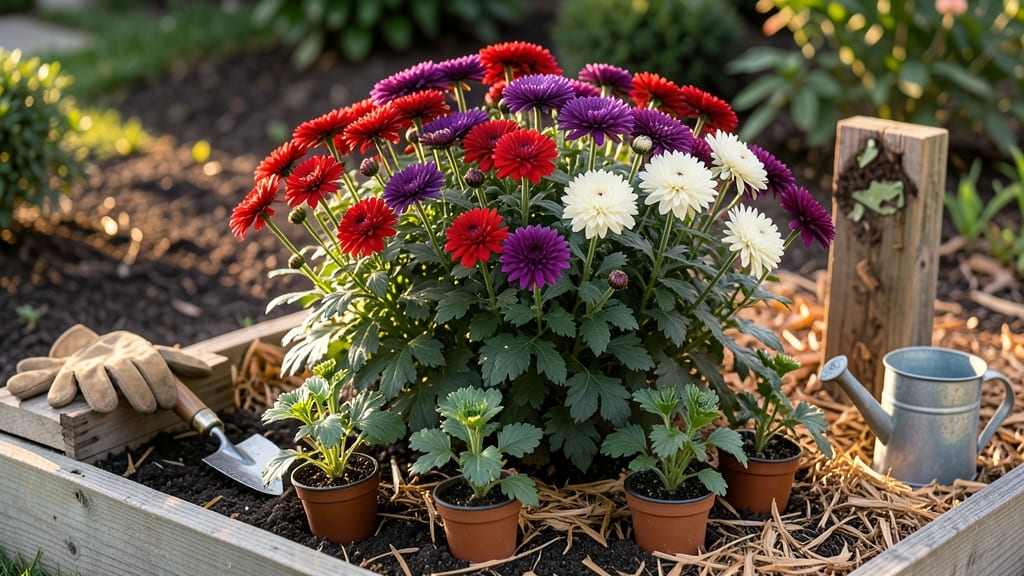
Timing when to plant fall mums in the ground just right means the difference between a showstopping garden display and a sad, frost-bitten disappointment. If you plant too early, those vibrant blooms might pop prematurely—only to get nipped by the first chill.
And if you wait too long? You’ll miss the ideal window to establish strong roots before winter sets in.
For most gardeners in USDA Zone 6 (and beyond), late summer to early fall is the sweet spot—typically 4-6 weeks before your first frost. That usually lands in August or September, but your exact timing depends on local climate quirks.
I’ll break down the best months for your specific region so you can avoid common mistakes that leave your mums struggling.
soil temperature and frost dates matter more than just calendar months. We’ll cover how to read your garden’s signals—like soil warmth and leaf color—to nail the perfect planting window.Plus, I’ll share pro tips for soil prep and aftercare that’ll have your mums thriving long after the first snowflakes.
Ready to transform your yard into a fall masterpiece? Let’s dive into the exact steps to plant your Fall Mums for maximum impact—no guesswork, just vibrant blooms that last.
USDA Zone guide: exact months to plant fall mums by region
Planting fall mums at the right time ensures vibrant blooms and healthy roots. The golden window is 4-6 weeks before your first frost, but this varies dramatically by USDA zone. In Zone 3-5, aim for mid-August to early September—any later risks frost damage before roots establish.
Meanwhile, Zones 6-8 can plant until mid-October, while Zones 9-11 have flexibility until November, thanks to milder winters.
Soil temperature is your best friend here. Roots need 60-65°F soil to thrive—test with a soil thermometer or plant when nighttime temps hover around 50°F. Early planting (June-July) risks premature blooming, which weakens the plant before winter.
Late planting (October-November) leaves roots vulnerable to frost, stunting growth next season.
| USDA Zone | Ideal Planting Window | Soil Temp Requirement | Key Risk if Too Early/Late |
|---|---|---|---|
| 3-5 | Mid-August to early September | 60-65°F | Early frost damage; weak roots |
| 6-8 | Late August to mid-October | 55-60°F | Premature blooming; stunted growth |
| 9-11 | September to November | 50-55°F | Overwintering challenges; leggy growth |
🌼 Pro Tip: Check your last frost date (avg. October 15 for Zone 6) and count backward 4-6 weeks.
If you’re in a transition zone (e.g., Zone 7b vs. 8a), err on the earlier side. For example, Zone 7b (warmer microclimates) can plant until early October, while Zone 7a should finish by mid-September.
Microclimates—like urban heat islands or sheltered valleys—can shift your window by 1-2 weeks, so observe nearby plants for cues.
For container-grown mums, adjust slightly: plant 1-2 weeks earlier than in-ground varieties, as containers dry out faster and roots warm quicker. Amend potting mix with perlite or sand to improve drainage—mums hate soggy roots.
In Zone 10+, where frost is rare, plant in late summer (August) to encourage fall blooms before winter rains set in.
Local nurseries often sell bare-root mums in early fall—these are ideal for Zones 3-7 and can handle transplanting better than container-grown plants. For Zones 8-11, opt for container-grown mums in September-October to avoid heat stress.
Always inspect roots before buying: healthy roots should be white and firm, not brown or mushy.
After planting, mulch heavily (3-4 inches) with straw or shredded leaves to insulate roots. In Zones 3-6, add a thick layer of mulch in November to protect against winter dieback. Skip mulch in Zones 9-11 until after the first light frost—too early, and it’ll trap heat, causing rot.
Remember: Fall mums thrive on routine. Plant at the right time, and you’ll reward yourself with bold blooms from September through frost. Skip the timing, and you’ll spend next year playing catch-up with leggy, underwhelming plants. 🌼
USDA Zone guide: exact months to plant fall mums by region
Fall mums thrive when planted at the right time, but the perfect window depends on your USDA hardiness zone. In Zones 3-5, aim for late August to mid-September—this gives roots time to establish before early frosts.
Meanwhile, gardeners in Zones 6-9 can plant as late as mid-October, while Zones 10-11 enjoy a longer window into November.
Soil temperature is critical: roots need 60-65°F to establish before cooler weather sets in. Use a soil thermometer to check—if it’s below 55°F, wait a week or two. In northern climates, planting too early (like July) can trigger premature blooming, leaving flowers vulnerable to frost.
🌼
| USDA Zone | Ideal Planting Window | Soil Temp Goal | Key Risk |
|---|---|---|---|
| Zones 3-5 | Late August–Mid-September | 60–65°F | Early frost damage |
| Zones 6-7 | Mid-August–Early October | 55–60°F | Premature blooming |
| Zones 8-9 | Late August–Mid-October | 50–55°F | Overwintering stress |
| Zones 10-11 | September–November | 45–50°F | Heat stress |
For southern zones (10-11), planting in September or October avoids summer heat stress, while northern zones (3-5) should prioritize September planting to prevent winter kill. Always check your local frost dates—aim to plant 4-6 weeks before the first expected frost.
Pro tip: If you’re unsure, observe neighboring gardens. When nearby mums start showing buds, it’s likely too late to plant new ones—they’ll need time to root before blooming.
🌡️
After planting, mulch heavily (3-4 inches) to insulate roots and retain moisture. In Zones 3-7, add a thick layer of straw to protect against freeze-thaw cycles. For warmer zones (8-11), focus on water retention—mulch helps prevent soil from drying out too quickly.