
Flowers
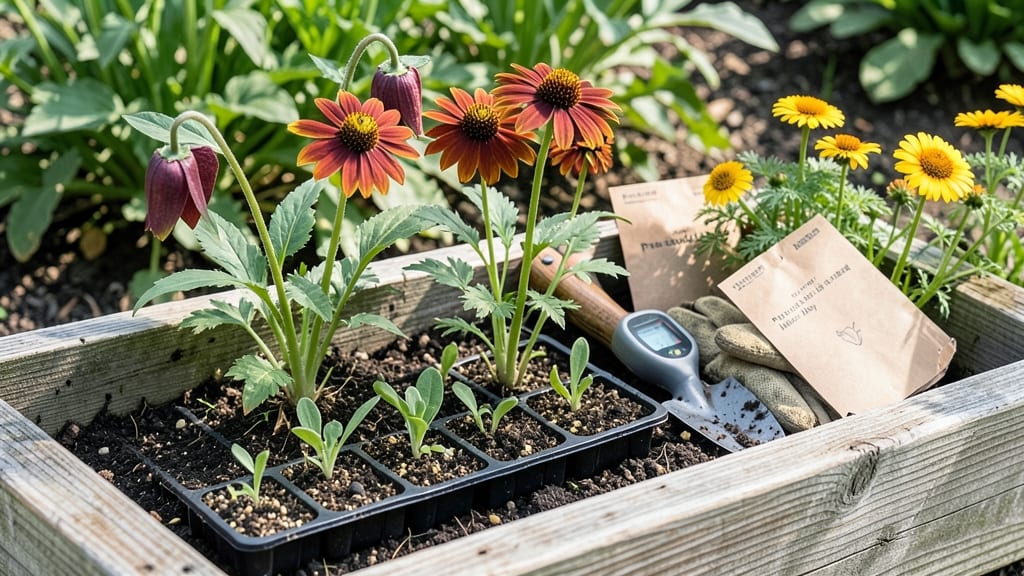
Knowing when to plant flower seeds in Colorado is critical—getting the timing wrong can mean the difference between a garden bursting with 🌸 blooms and a sad, frost-nipped disappointment. The perfect planting window depends on your exact location—whether you're in Denver's urban heat pockets or Boulder's mountain microclimates—because frost dates shift dramatically across the state's USDA zones 5-7.
Most gardeners in Colorado know spring is the prime time to sow flower seeds, but did you know fall planting can give you a head start on next year's blooms?
The key is understanding your last frost date (typically around April 15 at lower elevations) and adjusting for elevation changes that can push frost dates weeks later in the mountains.
In this guide, I'll break down exactly when to plant flower seeds for your specific Colorado zone, whether you're starting seeds indoors in March or direct-sowing in May.
You'll also discover which cold-hardy annuals and perennials thrive in Colorado's unpredictable climate—and how to extend their blooming season for months of color.
Ready to turn your garden dreams into reality? Let's dive into the frost-date secrets that will help your flower seeds grow strong, no matter where you are in the Centennial State.
Colorado frost zones & ideal flower seed planting windows by month
Colorado’s diverse USDA hardiness zones (5-9) create unique planting challenges, from the high-altitude chill of Boulder to the warmer plains near Colorado Springs. Understanding your zone—and adjusting for microclimates—is the key to avoiding frost damage while maximizing bloom time.
Most gardeners in Denver (Zone 5-6) can start seeds indoors in March, while high-altitude areas (like Zone 4) may wait until late April.
For direct sowing, spring planting begins after your average last frost date (typically mid-April in Denver, late May in mountainous regions). Fall planting, however, requires careful timing—sow 8-10 weeks before your first frost (usually mid-September for Zone 5, early October for Zone 6).
This ensures seedlings mature before winter sets in.
Here’s how to align your planting with Colorado’s frost-free growing season (typically 165 days in Denver, shorter in higher elevations). Use these guidelines to pick the best monthly windows for your favorite flowers, whether you’re growing annuals, perennials, or biennials.
🌱
| Zone & Location | Spring Planting Window | Fall Planting Window | Key Flowers to Try |
|---|---|---|---|
| Zone 5 (Denver, Fort Collins) | Indoors: March Outdoors: April 15–May 15 |
August 1–September 15 | Marigolds, Snapdragons, Pansies, Calendula |
| Zone 6 (Colorado Springs, Pueblo) | Indoors: February Outdoors: March 20–April 30 |
August 15–October 1 | Zinnias, Cosmos, Nasturtiums, Sweet Alyssum |
| Zone 7 (Southwest CO, near Grand Junction) | Indoors: January Outdoors: March 1–April 15 |
September 1–October 15 | Sunflowers, Dahlias, Petunias, Geraniums |
| High Altitude (Zone 4, Aspen, Vail) | Indoors: April Outdoors: May 15–June 15 |
July 15–August 15 | Lupines, Columbines, Penstemon, Yarrow |
If you’re unsure about your last frost date, use Colorado State University’s frost-date calculator (link in the next section) to input your zip code and elevation. For example, Boulder’s last frost often occurs 2 weeks later than Denver’s due to its higher elevation and urban heat island effect.
Adjust your planting dates accordingly—cold-hardy annuals like pansies or snapdragons can handle light frosts, but tender varieties (like marigolds) need warmer soil.
For fall planting, prioritize cool-season flowers that thrive in 50–65°F soil, such as calendula or nasturtiums. These can often be sown directly into the garden without starting indoors.
Meanwhile, warm-season flowers (like zinnias) should be started indoors 6–8 weeks before your last frost to give them a head start.
Pro tip: Use row covers or cold frames to extend your spring planting window by 2–3 weeks in cooler zones. This protects young seedlings from late frosts while still allowing you to plant earlier. Just remove covers once nighttime temperatures consistently stay above 40°F.
🌿
Remember, soil temperature matters just as much as air temperature. Use a soil thermometer to confirm your soil is at least 50°F before planting warm-season flowers. In Zone 5, this often means waiting until late April
Best flowers to plant in Colorado by season (and how to extend their blooms)
Colorado’s diverse climate lets you grow stunning flowers year-round, but seasonal timing is key to success. Spring-bloomers like columbines and lupines thrive in cool soil, while summer favorites such as coneflowers and black-eyed Susans need warmth. I’ll break down the best flowers for each season and share my top tricks for extending blooms—no matter where you garden in Colorado. For high-altitude areas (like Boulder or Aspen), aim for cold-hardy annuals like sweet peas and stocks, which handle late frosts better than heat-lovers. In lower elevations (Denver, Colorado Springs), drought-tolerant perennials such as blanket flower and yarrow shine with minimal watering once established.- 🌱 Spring (March-May): Columbine (wildflower), Lupine (drought-tolerant), Sweet Alyssum (fragrant ground cover). Plant seeds 4-6 weeks before last frost.
- ☀️ Summer (June-August): Coneflower (pollinator magnet), Black-Eyed Susan (long-lasting), Marigold (pest-repellent). Sow directly after frost danger passes.
- 🍂 Fall (September-October): Pansy (cool-season blooms), Stock (fragrant), Calendula (edible petals). Start seeds indoors 8-10 weeks before first frost.
- ❄️ Winter (November-February): Hellebore (shade-tolerant), Winter Aconite (early blooms), Snowdrops (low-maintenance). Plant bulbs in fall for spring color.