
Flowers
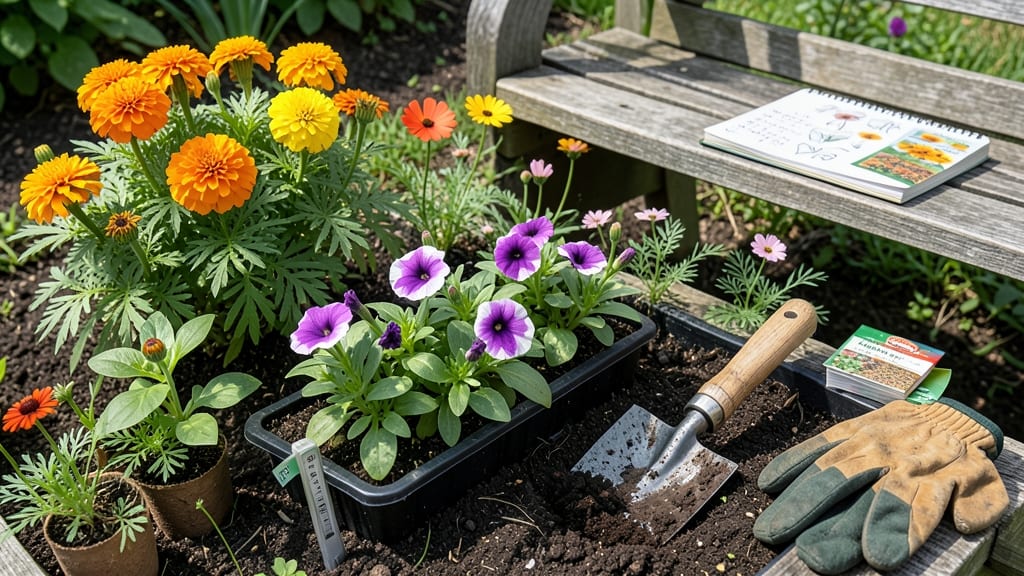
Timing when to plant flower seeds in Minnesota isn’t just about luck—it’s about beating the clock before frost strikes. With Zone 4a-5b winters and unpredictable spring thaw, planting too early risks losing tender seedlings, while waiting too long means missing peak blooms.
The secret lies in knowing exactly when to start seeds indoors or sow directly, so you can enjoy vibrant 🌸 gardens from June through September.
Most Minnesota gardeners swear by the mid-April to late June window for spring planting, but that’s just the beginning. For fall blooms, you’ve got a second chance with late July to early August sowings—perfect for hardy varieties like coneflowers and black-eyed Susans.
The key? Adjusting for your specific last frost date, which can vary by 1–2 weeks across the state.
I’ll walk you through the exact deadlines for your zone, plus pro tips to extend your season. Whether you’re a first-time gardener or a veteran with frost-bitten memories, these strategies will help you maximize every growing day. Let’s turn those 120–150 frost-free days into a nonstop parade of color.
Ready to skip the guesswork? You’ll discover how to time your plantings like a local expert, choose the best seeds for Minnesota’s climate, and even push blooms later into autumn. No more wasted seeds or missed opportunities—just a garden that thrives when it counts.
Minnesota flower seed planting deadlines by last frost date (Zone 4a-4b)
Minnesota’s Zone 4a-4b climate means your flower seeds must hit the ground at the right time—or face frost damage or missed blooms. The average last frost date ranges from late April to early June, but urban areas like Minneapolis may see frost until mid-May.
Rural spots in northern Minnesota can linger until early June. Timing isn’t just about dates; it’s about soil temperature (wait until it’s 50°F+) and plant hardiness.
For annual flowers like marigolds or zinnias, start seeds indoors 6–8 weeks before your last frost. Hardy perennials like coneflowers or black-eyed Susans can go directly into the soil 2–4 weeks after frost.
But if you’re impatient, cold frames or row covers can shave off 2–3 weeks of risk. The key is balancing frost risk with growing season length—Minnesota’s 120–150 frost-free days demand efficiency.
Here’s the critical timeline for spring planting in Minnesota:
| Planting Stage | Action | Timeframe (Zone 4a-4b) | Notes |
|---|---|---|---|
| Indoor Starts (Tender Annuals) | Sow seeds | 6–8 weeks before last frost | Use grow lights; keep soil at 70°F |
| Hardy Perennials | Direct sow after frost | 2–4 weeks after last frost | Soil must be 50°F+ |
| Tender Annuals (Outdoor) | Transplant seedlings | 2 weeks after last frost | Harden off for 7–10 days first |
| Succession Planting | Sow every 2–3 weeks | May–June | Extends bloom time for zinnias, cosmos |
| Fall Planting (Cold-Hardy) | Direct sow seeds | Late July–early August | Pansies, snapdragons, sweet alyssum |
Don’t overlook fall planting—it’s a Minnesota gardener’s secret weapon. While most focus on spring, late July to early August is prime time for cold-hardy annuals like pansies and snapdragons. These flowers germinate in cool soil and bloom until first frost, giving you 3–4 extra weeks of color.
Just avoid planting after mid-August; seeds may not mature before winter.
For perennial flowers, timing matters less—but don’t wait too long. Plant bare-root perennials in early spring (April–May) or early fall (September) for the best root establishment. If you’re dividing perennials, late summer (August) is ideal, as it gives roots time to regrow before winter.
Pro tip: Mulch heavily after planting to protect roots from freeze-thaw cycles.
Minnesota’s microclimates can shift planting windows by weeks. Urban areas (like Minneapolis-St. Paul) often have earlier last frosts than rural spots in the northwest. Check your local USDA Zone 4a or 4b and use a frost calendar from your county extension office.
For example, Duluth (Zone 4a) may have frost until June 10, while Rochester (Zone 4b) could be frost-free by May 20.
If you’re starting seeds indoors, begin 6–8 weeks before your last frost. Use grow lights (not just window light) to prevent leggy seedlings. For direct sowing, wait until soil temps hit 50°F—use a soil thermometer to avoid guesswork.
A quick trick: Press your hand into the soil; if it feels lukewarm, it’s ready. For slow-germinating seeds (like lupines or delphiniums), soak them overnight to speed up sprouting.
Common mistakes? Planting too early and losing seedlings to frost, or too late and missing the bloom window. Another pitfall: overcrowding seeds in hopes of faster growth—thin seedlings to 12–18 inches apart for strong stems.
And never skip hardening off seedlings; sudden wind and cold can shock tender plants. My rule: Acclimate seedlings for 7–10 days before transplanting, gradually increasing sun and wind exposure.
For container gardening, adjust timing slightly. Containers warm up faster, so you can plant 1–2 weeks earlier than in-ground. Just ensure pots have drainage holes and use lightweight potting mix. If you’re in a high-elevation area (like the Boundary Waters region), expect a shorter season
How to extend your Minnesota flower season with smart planting timing
Minnesota’s short growing season doesn’t mean you’re stuck with a brief burst of color. With the right strategies, you can extend blooms by 4-6 weeks—both earlier in spring and later into fall.
The key is understanding how to leverage microclimates, succession planting, and cold-hardy varieties to push your garden’s limits.
For earlier blooms, focus on starting tender seeds indoors 6-8 weeks before your last frost date (typically mid-April in Zone 4a). Hardy annuals like pansies and snapdragons can even handle light frosts, giving you 30-45 days of extra color before traditional spring flowers emerge.
Here’s how to maximize your season with proven tactics:
- Start Indoors Early
- Choose Cold-Hardy Varieties
- Use Succession Planting
- Protect Late-Season Blooms
- Harness Microclimates
Don’t overlook fall planting—it’s one of the easiest ways to extend your season. Many annuals, like calendulas and stocks, germinate well in cool soil and bloom until first frost. Aim to sow these late July to early August for vibrant autumn color.
For urban gardeners, container gardening offers another advantage. Move pots to protected spots (like porches or garages) when temperatures drop, and you’ll preserve blooms until November. Just
With these tactics, your Minnesota garden can bloom from May to October, defying the state’s reputation for a short season. Start experimenting this year—your longer-lasting flowers will thank you! 🌼