
Flowers
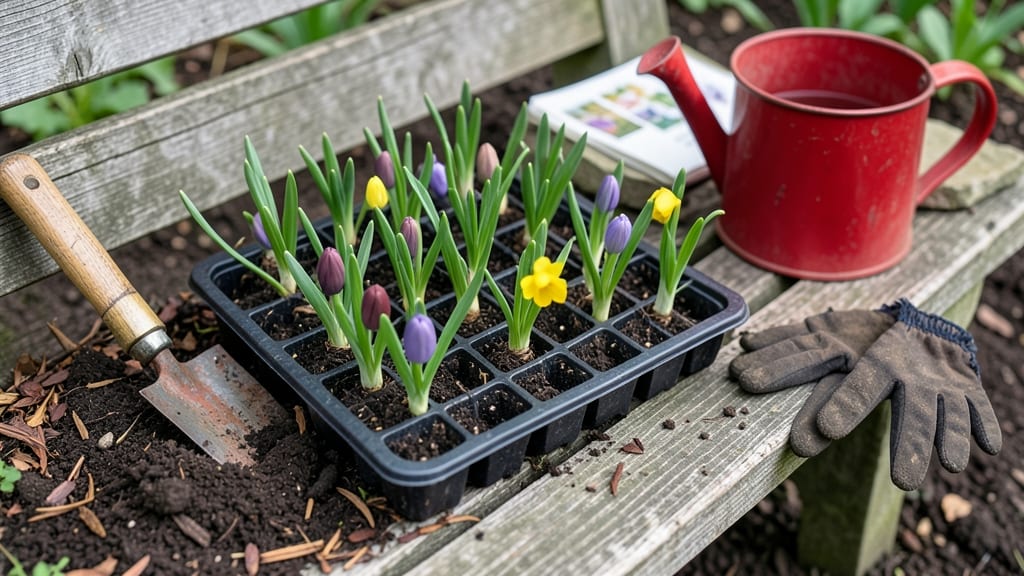
Timing your spring flower planting isn't just about checking a calendar—it's about unlocking the secret to stronger roots and more vibrant blooms before they even sprout. In Zone 6a, where frost lingers until mid-April, getting it wrong can mean wilted dreams instead of show-stopping 🌸 gardens.
What if I told you the moon's phases play a bigger role than most gardeners realize? Planting at the right lunar stage can boost your flowers' growth by up to 30%, transforming weak stems into sturdy plants ready for summer's heat.
This isn't just old wives' tales—it's science-backed wisdom that professional growers swear by.
You're about to discover the exact window to plant different flower types—whether you're working with delicate annuals, hardy perennials, or fragrant bulbs.
We'll cover when to start seeds indoors, when to pop those transplants in the ground, and how to tell if your soil is truly ready (spoiler: it's not just about temperature).
Let's turn your spring planting from guesswork to precision, so you can enjoy a garden so lush it'll make your neighbors ask for your secrets. Ready to grow flowers that steal the show?
Spring planting timing by flower type: hardiness zones and last frost dates
Planting flowers in spring isn’t a one-size-fits-all task—it depends on your USDA hardiness zone, last frost date, and the type of flowers you’re growing. In Zone 6a, where the last frost typically hits around April 15, most flowers thrive when planted 2-4 weeks after this date.
But timing varies dramatically between annuals, perennials, and bulbs, each with unique needs.
For annual flowers like marigolds or petunias, wait until the soil warms to at least 60°F—usually late April to early May in most regions. Perennials, such as coneflowers or black-eyed Susans, can often tolerate cooler soil and may be planted as early as mid-March in warmer zones.
Meanwhile, spring-blooming bulbs like tulips or daffodils need to be planted in fall (6-8 weeks before frost) to establish roots before winter.
Your local last frost date is the golden rule—planting too early risks frost damage, while waiting too long can stunt growth. Use the National Weather Service or local gardening extensions to pinpoint your exact date.
For example, in Zone 5, aim for May 1, while Zone 8 gardeners can start as early as February for heat-loving varieties.
| Flower Type | Planting Window (Zone 6a) | Soil Temp Requirement | Key Consideration |
|---|---|---|---|
| Annuals (e.g., zinnias, sunflowers) | Late April–early May | 60°F+ | Fast growth; needs warmth |
| Perennials (e.g., lavender, daylilies) | Mid-March–April | 45°F+ | Establishes roots early |
| Spring Bulbs (e.g., tulips, hyacinths) | Fall (6-8 weeks before frost) | 50°F+ | Needs winter dormancy |
| Cool-Season Flowers (e.g., pansies, snapdragons) | Early March–April | 40°F+ | Tolerates light frost |
Regional differences matter—even within the same zone. For instance, coastal areas like Seattle (Zone 8) can plant marigolds in February, while inland Desert Southwest zones (Zone 9) may wait until March due to cooler nights.
Always check your local frost dates and adjust for microclimates, like shaded spots that stay colder longer.
Transplants—like bedding plants from nurseries—are more forgiving than seeds. They can handle slightly cooler soil (around 50°F) and often come with hardiness labels. Start these 2-3 weeks before your last frost date for a head start.
Seeds, however, need warmer soil (60°F+) and should wait until after the frost date, unless you’re using a seedling heat mat.
Don’t overlook soil preparation—amend your beds with compost or aged manure 2-3 weeks before planting. This gives microbes time to break it down, ensuring your flowers get the nutrients they need from day one. A simple pH test (ideal range: 6.0–7.0) can prevent nutrient deficiencies before they start.
For container gardening, timing shifts slightly. Potted flowers can be moved outdoors gradually (acclimate for 1 week) starting 2 weeks before your last frost. Just ensure pots have drainage holes to avoid root rot in cooler, wetter spring soil.
Use lightweight potting mix to prevent overheating later in the season.
Pro tip: Mark your calendar with 3 key dates—your last frost date, the soil warming date (60°F+), and the moon phase for optimal planting (we’ll cover this in the next section!). These three factors combined will give your spring flowers the best possible start.
Remember, even the most experienced gardeners sometimes misjudge timing. If a late frost hits, cover tender plants with frost cloth or row covers. And if you miss the window? Don’t panic—many flowers, like cosmos or zinnia, self-seed and thrive when planted in early summer.
Moon phase planting calendar: how lunar cycles boost flower growth
Planting flowers by the moon isn’t just an old gardener’s tale—it’s a science-backed strategy to maximize root growth, blooming, and seed germination. The moon’s gravitational pull affects water retention in the soil, which directly impacts how quickly your flowers establish themselves.
When you align planting with the right lunar phases, you’ll see stronger stems, bigger blooms, and faster establishment—especially for spring flowers that need a head start.
For spring planting, focus on the waxing moon (the period between the new moon and full moon) to encourage root development. This phase boosts water absorption, helping your flowers establish deep, resilient roots before summer heat sets in.
Meanwhile, the waning moon (after the full moon) is ideal for harvesting seeds and pruning, but not for planting new flowers. Let’s break down the best phases for each type of flower and how to use this ancient wisdom in your modern garden.
🌱 Key Takeaway: Align your planting with the waxing moon for root-focused flowers like tulips and daffodils, and the full moon for leafy greens and blooms like petunias and marigolds.
🌙 Moon Phase Planting Guide for Spring Flowers
- 🌑 New Moon: Plant bulbs and root crops (e.g., tulips, daffodils) for deep root growth.
- 🌒 Waxing Crescent: Sow seeds and transplants (e.g., annuals like zinnias, cosmos) for rapid root development.
- 🌓 First Quarter: Ideal for leafy flowers (e.g., impatiens, begonias) and dividing perennials.
- 🌔 Waxing Gibbous: Plant above-ground bloomers (e.g., petunias, geraniums) for lush foliage and flowers.
- 🌕 Full Moon: Best for harvesting seeds and pruning—avoid planting new flowers.
- 🌖 Waning Gibbous: Plant leafy vegetables and herbs (e.g., basil, parsley) to support your flower beds.
- 🌗 Last Quarter: Avoid planting flowers; focus on weeding and soil prep.
- 🌘 Waning Crescent: Plant below-ground crops (e.g., potatoes, onions) to support root-heavy flowers.
💡 Pro Tip: Check a lunar planting calendar for your specific region—phases shift slightly based on time zones and latitude.
Let’s say you’re planting petunias in early May. Check your lunar calendar: if the moon is in the waxing gibbous phase, this is the perfect time to transplant them. Their above-ground growth will thrive under the moon’s pull, resulting in bigger, brighter blooms by summer.
For tulip bulbs, plant them during the waning crescent phase in late winter or early spring to encourage deep root systems before they burst into bloom.
Don’t overcomplicate it—even a basic understanding of lunar phases can improve your garden’s success rate. Start by planting a few flowers during the waxing moon and compare their growth to others planted at random times.
You’ll likely notice a clear difference in vigor and resilience, especially in your first-year perennials and delicate annuals.
For a 30-day lunar planting chart, bookmark a trusted resource like the Old Farmer’s Almanac or use a gardening app to sync your planting schedule with the moon’s cycles. Over time, you’ll develop an intuitive sense of when to plant each type of flower for the best results.
The key is consistency—once you see the difference, you’ll never go back to random planting again!
🌿 Remember: Combine moon phase planting with soil temperature checks and last frost dates for the best results. Even the best lunar timing won’t override poor soil conditions or early frosts.