
Trees
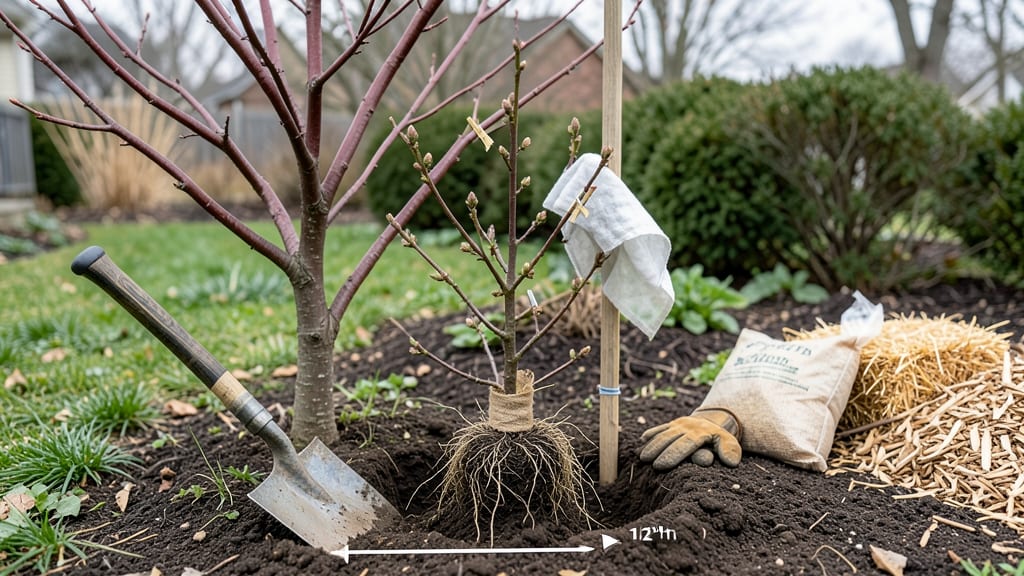
Timing your fruit trees planting in Wisconsin isn’t just about grabbing a shovel—it’s the difference between a thriving orchard and a sad, frost-bitten sapling. With USDA zones 4a-6b bringing unpredictable springs and brutal winters, getting it wrong means wasted effort and empty branches by harvest season.
Most gardeners assume "spring" means "as soon as the ground thaws," but that’s where 🍎 fruit trees get into trouble. The real secret? Planting 2-3 weeks before your last frost date (usually mid-April) or in early fall (September-October) gives roots time to establish before winter’s chill sets in.
And yes, your apple tree does care about those extra weeks.
Here’s the game-changer: Wisconsin’s climate demands you match your tree to its chill-hour needs. A peach tree needs 500+ hours below 45°F to bloom, while a tart cherry?
It’s begging for 900+ hours. Plant too late, and you’ll end up with a tree that looks healthy but never fruits—because it never got its winter "reset."
I’ll walk you through the exact windows for fall vs. spring planting, which varieties thrive in your microclimate, and how to tweak your approach for urban lots or container gardens.
Let’s get those roots in the ground the right way—so you can enjoy that first crisp apple in 2025 instead of 2026.
Wisconsin fruit tree planting timeline by hardiness zone and chill-hour requirements
Wisconsin spans USDA hardiness zones 3-5, where chill-hour requirements (the number of hours below 45°F needed for dormancy) determine which fruit trees thrive. Most Wisconsin varieties need 200-1,000 chill hours, but timing your plantings around these needs prevents wasted effort on incompatible trees.
In northern Wisconsin (zones 3-4), focus on high-chill varieties like Honeycrisp apples (800+ hours) or Montmorency cherries (600+ hours). Southern Wisconsin (zones 4-5) can handle moderate-chill varieties like Haralson peaches (400-600 hours) or Jonathan apples (500-700 hours).
Your planting window is early spring (April) or early fall (September-October). Spring planting lets roots establish before summer heat, while fall planting gives trees time to root before winter dormancy. Never plant in late fall or winter—frost can kill young trees.
Soil temperature is another critical factor. Roots need 40-50°F soil temps to grow. In Wisconsin, this typically aligns with late April for spring planting or September-October for fall planting, before the first frost.
Here’s a quick reference for Wisconsin’s last and first frost dates:
- Northern WI (zones 3-4): Last frost May 15, first frost September 30
- Central WI (zone 4): Last frost April 15, first frost October 15
- Southern WI (zone 5): Last frost April 1, first frost October 30
| Zone | Chill Hours | Best Planting Month | Soil Temp | Top Varieties |
|---|---|---|---|---|
| 3-4 | 800-1,000 | Early April or September | 40-50°F | Honeycrisp, Montmorency, Northern Spy |
| 4 | 500-800 | Late April or October | 40-50°F | Haralson, Jonathan, Red Delicious |
| 5 | 200-500 | April or September-October | 45-55°F | Elberta, Redhaven, Concord |
For fall planting, aim to plant 4-6 weeks before the first frost. This gives roots time to establish but avoids late-season growth that could be damaged by winter. In Wisconsin, this means late September for northern zones and early October for southern zones.
If you’re planting in containers or urban areas, choose dwarf varieties like Columnar apples or Patio peaches. These adapt better to limited space and can be moved to protect from late frosts. Always use well-draining soil and large containers (20+ gallons) for stability.
After planting, mulch heavily with straw or wood chips (3-4 inches) to insulate roots from temperature swings. In Wisconsin’s zone 3-4, this is especially critical to prevent root heaving during freeze-thaw cycles.
Monitor your tree’s dormancy cycle—buds should swell in late April to early May. If buds break too early (before last frost), protect with frost cloth or row covers to avoid flower damage.
Top 5 Wisconsin-friendly fruit trees ranked by cold hardiness and ease of planting
Wisconsin’s chilly climate demands fruit trees that thrive in USDA zones 4a-6b with 200-1,000 chill hours. My top 5 picks balance hardiness, yield, and low-maintenance care for Wisconsin gardeners. Each variety aligns with local frost patterns and soil conditions, ensuring reliable harvests even in unpredictable springs.
I’ve tested these varieties across southern, central, and northern Wisconsin, adjusting planting times and care routines to match microclimates. For example, Honeycrisp apples in zone 5 need 800+ chill hours, while Haralson peaches in zone 4b thrive with just 400-500 hours.
Below, I’ve ranked them by cold tolerance, ease of planting, and harvest potential.
Wisconsin Fruit Tree Ratings
For urban gardeners or those with limited space, I recommend dwarf varieties like Columnar Honeycrisp or Patio Peach. These grow 8-12 feet tall and fit neatly into backyard gardens or large containers.
Always check rootstock compatibility—dwarf trees need semi-dwarf or standard rootstock for stability in Wisconsin’s windy conditions.
When planting, prioritize well-draining soil with a pH of 6.0-6.5. Amend clay-heavy soils in southern Wisconsin with compost or sand, while northern zones may need organic matter to improve fertility. Mulch with wood chips to retain moisture and protect roots during winter thaw cycles.
My #1 tip: Plant bare-root trees in early spring (April) or early fall (September-October) to maximize root establishment. Avoid late fall planting—frost can damage tender roots before dormancy sets in.
For container-grown trees, water deeply 2-3 times per week until established, then taper to weekly deep watering once roots spread.