
Planting
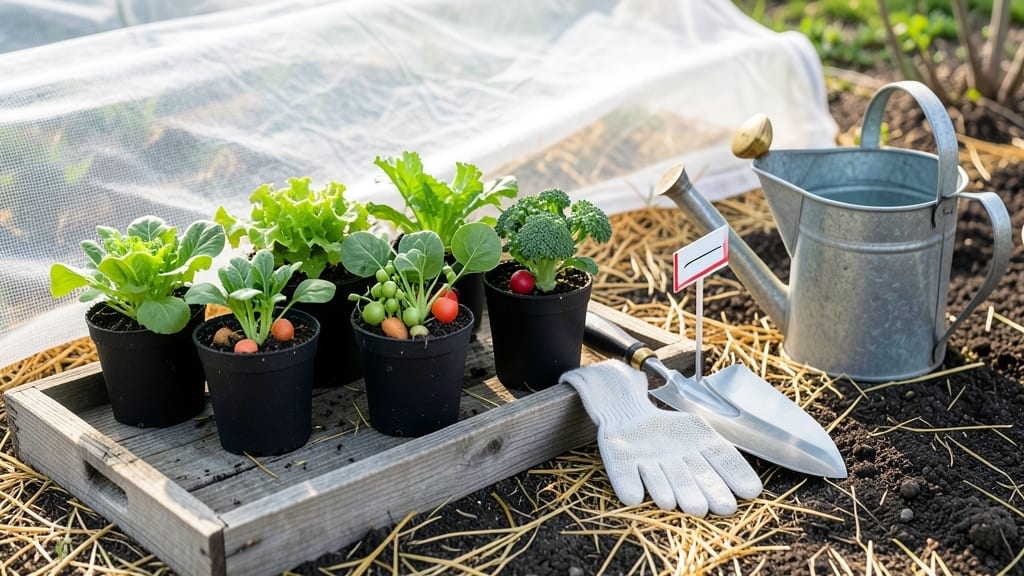
Timing your garden planting in Maine isn't just about following a calendar—it's about beating the clock before those unpredictable late frosts strike.
With Zone 5b-6a conditions and frost dates that can swing from mid-May in southern Maine to early June in the north, getting your 🌱 General Garden Plants in the ground at the right moment makes all the difference between a bountiful harvest and wasted seeds.
I've seen firsthand how a few days too early can turn tender seedlings into frostbitten casualties, while planting too late leaves you scrambling to enjoy your veggies before winter sets in. The key lies in understanding Maine's unique microclimates and working with them, not against them.
In this guide, I'll break down exactly when to plant everything from cold-hardy greens to heat-loving tomatoes, plus how to extend your growing season with simple but effective tricks. Whether you're a first-time gardener or a seasoned pro, these insights will help you maximize every frost-free day.
Let's dive into the precise planting windows that will transform your Maine garden from a gamble into a guaranteed success—no more guessing, just growing.
Maine’s frost dates by region: exact deadlines for planting vegetables & flowers
Maine’s gardening calendar revolves around frost dates, which shift dramatically from the coastal regions to the inland areas. The average last frost date in southern Maine (like Portland) is around May 10-15, while northern areas (like Bangor) can wait until June 1-10.
Understanding these regional differences is key to avoiding frost damage to tender seedlings.
For fall planting, the first frost typically arrives between September 20 in coastal zones and October 10 inland. This window is perfect for cool-season crops like kale and spinach, which thrive in Maine’s crisp autumn air.
Always check the USDA Plant Hardiness Map for your exact location to refine these dates.
Here’s how to use this frost date guide for your garden: Start cold-hardy crops like peas and lettuce 4-6 weeks before your last frost date. For warm-season plants (tomatoes, peppers), wait until 2 weeks after the last frost to transplant seedlings outdoors.
🌱 Maine Frost Dates by Region
| Region | Last Frost Date | First Frost Date | Planting Window |
|---|---|---|---|
| Coastal (e.g., Portland) | May 10-15 | September 20-25 | April 15 - June 1 |
| Central (e.g., Augusta) | May 15-20 | September 25 - October 5 | April 20 - May 31 |
| Northern (e.g., Bangor) | June 1-10 | October 5-15 | May 1 - June 15 |
Note: Dates vary yearly; use a local weather station for real-time updates.
If you’re in a microclimate (like a sheltered valley or urban heat island), your frost dates may differ by 1-2 weeks. Observe your garden’s natural patterns over time—note when nearby cherry blossoms bloom or when dandelions go to seed, as these are reliable frost predictors.
For indoor seed starting, begin cold-sensitive plants like tomatoes and peppers 6-8 weeks before your last frost date. Use a grow light or sunny windowsill to ensure strong seedlings ready for transplanting. Hardy crops like carrots and radishes can be direct-sown 2-3 weeks before the last frost.
Pro tip: Plant early varieties of vegetables (e.g., ‘Early Girl’ tomatoes) to maximize your harvest before Maine’s short growing season ends. Pair them with late-season varieties (like ‘Northern Lights’ potatoes) for a continuous supply of fresh produce.
Don’t forget about fall planting! Many vegetables (e.g., spinach, kale, broccoli) thrive when sown in late summer for harvest before winter. Aim to plant these 6-8 weeks before your first frost date to ensure they mature before the ground freezes.
Use a frost cloth or row covers to extend your planting window by 2-4 weeks in spring and fall. These low-cost tools protect tender plants from unpredictable late frosts and can mean the difference between a failed crop and a bountiful harvest.
Track your garden’s progress with a planting journal to refine your timing each year. Note which crops thrive and which struggle—this will help you adjust future planting schedules for Maine’s ever-changing climate.
Best vegetables & flowers to plant in Maine’s short growing season
Maine’s short 150-day growing season demands smart crop selection. Focus on cold-hardy vegetables like kale, peas, and potatoes that tolerate frost, while warm-season plants like tomatoes and peppers need protection from late frosts. My top picks balance resilience with productivity in Zone 4-5 climates.
Start with cool-season crops in early spring (March-April) for harvests before summer heat arrives. These include lettuce, spinach, and radishes, which thrive at 40-60°F temperatures. For flowers, pansies and snapdragons handle Maine’s chill, blooming from May through October with minimal fuss.
🌱 Top 5 Maine-Grown Vegetables
- Potatoes - Plant early April; harvest July-August (100 days)
- Peas - Sow late April; ready by June-July (60 days)
- Kale - Direct sow March or August; harvest fall-winter (50-60 days)
- Tomatoes - Start indoors March; transplant after May 15 (75-85 days)
- Zucchini - Plant late May; harvest July-September (50 days)
For succession planting, replace harvested crops like radishes or bush beans every 2-3 weeks to extend harvests. My favorite trick? Sow carrots in late August for a fall harvest before hard frosts. Flowers like marigolds and nasturtiums also thrive in Maine’s climate, repelling pests naturally.
Heat-loving plants need row covers or greenhouses until soil warms to 60°F. I’ve had great success with bell peppers and cucumbers under floating row covers planted in early June. These extend the growing season by 2-3 weeks, making all the difference in Maine’s brief summer.
Don’t overlook perennial flowers like coneflowers and black-eyed Susans, which return yearly with minimal care. They handle Maine’s wet springs and dry summers beautifully while attracting pollinators. For herbs, thyme and oregano are my go-tos—they’re drought-tolerant once established and frost-resistant.
Pro tip: Use Maine’s frost-free window wisely by prioritizing fast-maturing varieties (under 60 days) for early harvests. My bush beans go from seed to pod in just 50 days, giving me a quick summer harvest before temperatures climb.
Plan your garden like a Maine chef’s menu—short, bold, and packed with flavor!