
Plants
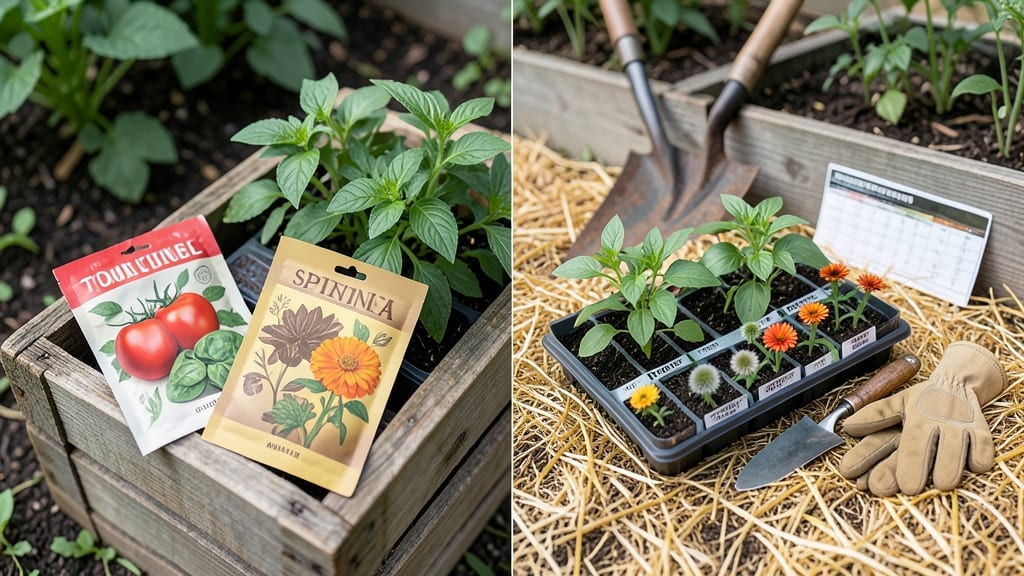
Knowing when to plant in Illinois isn’t just about following a calendar—it’s about beating frost, avoiding heat stress, and giving your garden the best shot at success.
With Illinois’ 5b-6b zones, timing can vary by just weeks between northern and southern regions, making the difference between a thriving harvest and a sad, wilted disappointment.
I’ve seen firsthand how a missed planting window can turn eager gardeners into frustrated ones—especially when last frost dates sneak up faster than expected. Whether you’re planting cool-loving lettuce in early spring or heat-demanding tomatoes in late May, getting the timing right means fewer losses and more rewards.
Let’s break down the exact windows you need to know for your zone.
From March’s first peeks of frost-free soil to September’s final warm stretches, Illinois offers two main planting seasons. But here’s the catch: some crops thrive when planted 6 weeks before last frost, while others need to wait until the danger has passed.
I’ll show you how to navigate these differences without guessing.
Ready to turn your Illinois garden into a year-round success? We’ll cover everything from soil prep tips to crop-specific deadlines, so you can plant with confidence—no more second-guessing or last-minute scrambles. Let’s get growing!
Illinois frost-free dates by hardiness Zone & planting windows
Illinois spans USDA hardiness zones 5a through 6b, meaning frost dates vary dramatically from north to south. In Zone 5a (northwest corner), the average last frost date lands around May 15, while Zone 6b (southern tip) sees its last frost by April 1.
This 5-week difference directly impacts when you can safely plant frost-sensitive crops like tomatoes or peppers.
For cool-season crops like spinach or kale, you can start seeds 4-6 weeks before your last frost date. In Zone 5a, that means mid-March sowing indoors, while Zone 6b gardeners can direct-sow by late February.
Warm-season crops like beans or squash must wait until 2 weeks after your last frost date to avoid chilly soil shocking roots.
Here’s the critical data you need to plan your Illinois planting calendar:
Pro tip: Use local weather stations (like Old Farmer’s Almanac) to track microclimates in your area—urban heat islands or lake effects can shift frost dates by 1-2 weeks. For example, Chicago’s last frost often hits May 10, while St. Louis averages April 20.
First-time gardeners often make the mistake of planting warm-season crops too early. For instance, tomato seedlings in Zone 5a planted before May 30 risk stunted growth from cool soils. To test soil readiness, use a soil thermometer—aim for 60°F+ for warm-season crops.
Another key strategy is succession planting. In Zone 6b, you can plant bush beans every 2 weeks from April 15 to June 1 to ensure a continuous harvest.
Meanwhile, cool-season crops like spinach can handle light frosts, so you can sow them again in late August for a fall harvest.
Don’t forget about first frost dates, which typically arrive between October 15 (north) and November 1 (south). This determines when to plant fall crops like radishes or turnips—they need 60-70 days to mature before frost hits.
For perennials and trees, timing matters too. Plant asparagus crowns in early spring (March–April) so roots establish before summer heat. Fruit trees should go in bare-root form during dormancy (November–March) to reduce transplant shock.
Use these frost-free windows to plan your garden layout. Group fast-maturing crops (like radishes or lettuce) near the front where they won’t shade slower growers
Best crops to plant in Illinois by seasonal timeline
Illinois gardeners have a short but productive growing season, so knowing the best crops to plant each month is key to maximizing yields. Cool-season crops like lettuce and peas thrive in early spring, while warm-season favorites such as tomatoes and peppers need to wait until after the last frost.
Let’s break down the ideal planting schedule by month to help you plan like a pro.
For spring planting (March-May), focus on frost-hardy vegetables like spinach, kale, and radishes. These can handle light frosts and even grow under row covers.
Meanwhile, warm-season crops like beans, cucumbers, and squash should wait until soil temperatures reach at least 50°F—usually late April to early May in most of Illinois.
🌱 Summer (June-August) is peak planting time for heat-loving crops. Tomatoes, peppers, and eggplants thrive in Illinois’ summer heat, but they need consistent moisture. Don’t forget herbs like basil and cilantro, which also flourish during these months. For a late summer boost, plant fall crops like broccoli and carrots in August for a harvest before the first frost.
Southern Illinois (Zones 6a-6b) enjoys slightly longer growing seasons, allowing for earlier spring plantings and later fall harvests compared to northern areas (Zones 5a-5b).
For example, Zone 6b gardeners can plant tomatoes as early as mid-April, while Zone 5a gardeners should wait until late May to avoid frost damage.
Pro tip: Use succession planting to keep your garden productive all season. For instance, sow radishes every 2 weeks for a continuous harvest, or replace bolted lettuce with fall spinach. This strategy ensures you’re always harvesting something fresh, even as the seasons shift.
Don’t forget to adjust for microclimates—south-facing slopes warm up faster, while low-lying areas may stay cooler longer. Monitor local frost dates and use frost-sensitive varieties for areas prone to late frosts. With this timeline, your Illinois garden will be a year-round success!