
Plants
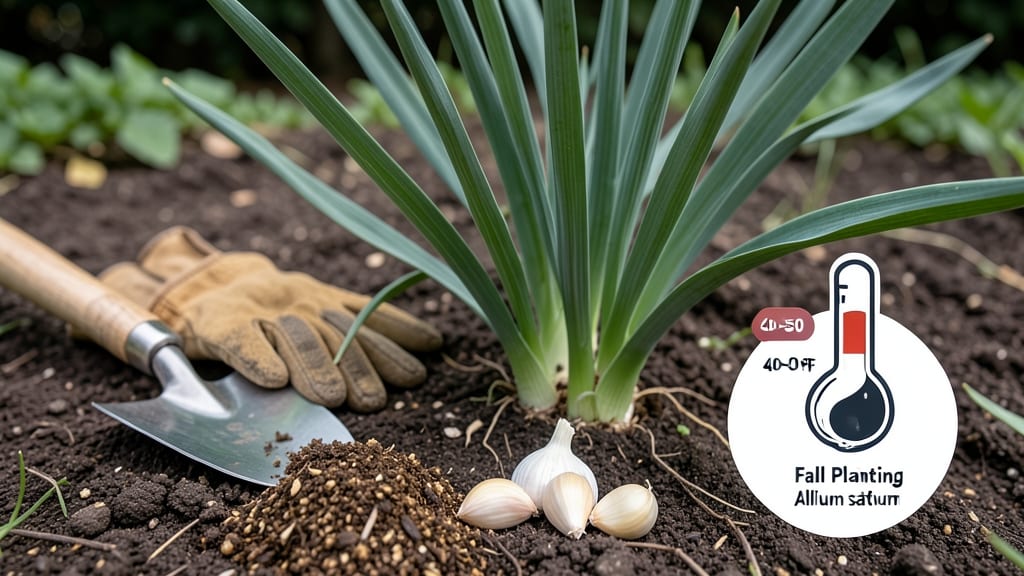
Timing your 🧄 garlic planting in New Jersey could mean the difference between a thriving harvest and wasted effort—especially when dealing with the region's unpredictable 6a-7a climate. The ideal window for planting is narrow, and missing it can leave your cloves struggling through winter or sprouting too early.
Most gardeners in New Jersey focus on fall planting between October and November, but hardneck and softneck varieties each have their own sweet spot.
Hardneck garlic, like Rocambole, needs to be in the ground by mid-October to establish roots before the first frost, while softneck varieties can handle a slightly later start. Understanding these differences is key to maximizing your yield.
What makes this even trickier is New Jersey’s variable frost dates—sometimes arriving early, other times lingering late. I’ll walk you through the exact months to plant each type, plus pro tips to protect your garlic from heaving, rot, and other common NJ pitfalls.
Let’s get those cloves in the soil at the perfect moment.
Whether you’re growing garlic for bold flavor or long-term storage, getting the timing right is the first step to a bountiful harvest. By the end of this guide, you’ll know exactly when to plant for the best results in your garden—and how to adjust if Mother Nature throws a curveball.
New Jersey garlic planting calendar: hardneck vs softneck month-by-month guide
New Jersey’s USDA zones 6b-7a create the perfect climate for growing garlic, but timing is everything. Plant too early, and your cloves rot; too late, and frost stunts growth.
The key is planting when soil temperatures drop to 40–60°F, which in NJ typically aligns with October through November. Hardneck varieties like Rocambole and Purple Stripe thrive with a 6–8 week cold period, while softneck types like Silverskin need 8–10 weeks before frost.
Let’s break down the exact months and climate cues for each type.
For hardneck garlic, the primary planting window is October 1–15, with a backup window of November 1–15 if early October is unseasonably warm. This timing ensures your garlic gets the cold vernalization it needs to form bulbs.
Softneck varieties, on the other hand, are more forgiving and can be planted slightly later, from October 15–November 15. The later window works because softneck garlic doesn’t require the same cold exposure as hardneck.
Now, let’s dive into the month-by-month breakdown of when to plant each type in New Jersey, including key climate factors and harvest windows.
Understanding these planting windows is critical, but New Jersey’s variable climate can throw off even the best-laid plans. For example, 2022’s late April freeze caught many gardeners off guard, damaging early garlic sprouts.
To mitigate risks, always check your local frost dates (typically mid-October for first frost and mid-April for last frost in NJ) and adjust your planting schedule accordingly. A soil thermometer is your best friend here—aim for consistent 40–50°F soil temps before planting hardneck garlic.
Another NJ-specific challenge is the state’s clay-heavy soils, which can lead to bitter-tasting garlic or split bulbs if not amended properly.
Before planting, mix in 1 pound of sulfur per 100 sq ft to lower soil pH (ideal range: 6.0–7.0) and add aged manure or compost for organic matter. This prep work pays off with larger, sweeter bulbs and fewer pests.
Pro tip: If your soil is too wet in spring, consider raised beds to improve drainage.
Once planted, mulching is non-negotiable in New Jersey’s winters. Use straw or leaves (4+ inches deep) to insulate bulbs from temperature swings and prevent heaving (when bulbs push out of the soil). For hardneck varieties, this mulch also protects scapes—those curly flower stalks that appear in spring.
If you’re growing garlic for scapes, harvest them when they form a tight loop to redirect energy to bulb development.
Finally, don’t overlook the harvest window. Hardneck garlic is ready in late June–July, while softneck varieties mature slightly later, in July–August. Look for lower leaves turning brown while the upper leaves stay green—a sure sign your garlic is ready.
Pull bulbs on a dry day, let them cure in a shady, well-ventilated area for 2–3 weeks, and store them in a cool, dark place for up to 6 months. With the right timing and care, you’ll enjoy homegrown garlic that’s sweeter and more flavorful than store-bought.
New Jersey garlic planting calendar: hardneck vs softneck month-by-month guide
New Jersey’s USDA zones 6b-7a create a unique window for garlic planting, where timing directly impacts bulb size and flavor. Unlike warmer climates, NJ gardeners must account for early frost dates (mid-October) and variable winters.
Hardneck varieties like Rocambole and Purple Stripe thrive when planted earlier, while softneck types such as Silverskin benefit from a slightly delayed start.
The key to success lies in soil temperature—garlic cloves need 40–60°F soil to establish roots before dormancy. Planting too early (when soil is still warm) risks rot, while waiting too long may leave insufficient time for bulb development before harvest.
Let’s break down the optimal planting windows for each variety, tailored to NJ’s climate.
| Garlic Type | Best Planting Months in NJ | Key Climate Factors | Average Harvest Window | Pro Tip for NJ Gardeners |
|---|---|---|---|---|
| Hardneck (e.g., Rocambole, Purple Stripe) | October 1–15 (primary) / November 1–15 (backup) | Soil temps 40–50°F, 6–8 weeks before hard frost | Late June–July | Use straw mulch 4+ inches deep to prevent heaving |
| Softneck (e.g., Silverskin, Artichoke) | October 15–November 15 | Soil temps 50–60°F, 8–10 weeks before first frost | July–August | Plant cloves 2 inches deeper than hardneck for winter protection |
For hardneck garlic, aim to plant between October 1–15 to ensure bulbs mature before NJ’s late June harvest window. If you miss this window, a November 1–15 backup works but may yield slightly smaller bulbs.
Hardnecks need 6–8 weeks of cold exposure (below 40°F) to form scapes and robust bulbs, making early planting critical.
Softneck varieties like Silverskin can handle a later start, with October 15–November 15 being ideal. These types store longer and are perfect for braiding, but they require warmer soil (50–60°F) to avoid rot. NJ’s clay-heavy soils can delay warming, so use a soil thermometer to confirm readiness.
Pro tip: Check your local NJ weather station for frost predictions. In USDA zone 7a (southern NJ), you might push planting to early November, while zone 6b (northern NJ) gardeners should plant by mid-October.
Adjust mulch depth based on your microclimate—4+ inches of straw in colder areas prevents frost heave.
Remember, garlic planted in September risks rot from warm soils, while December plantings may not have enough growing time before harvest. Sticking to these windows ensures maximum bulb size and optimal flavor for your NJ garden.