
Plants
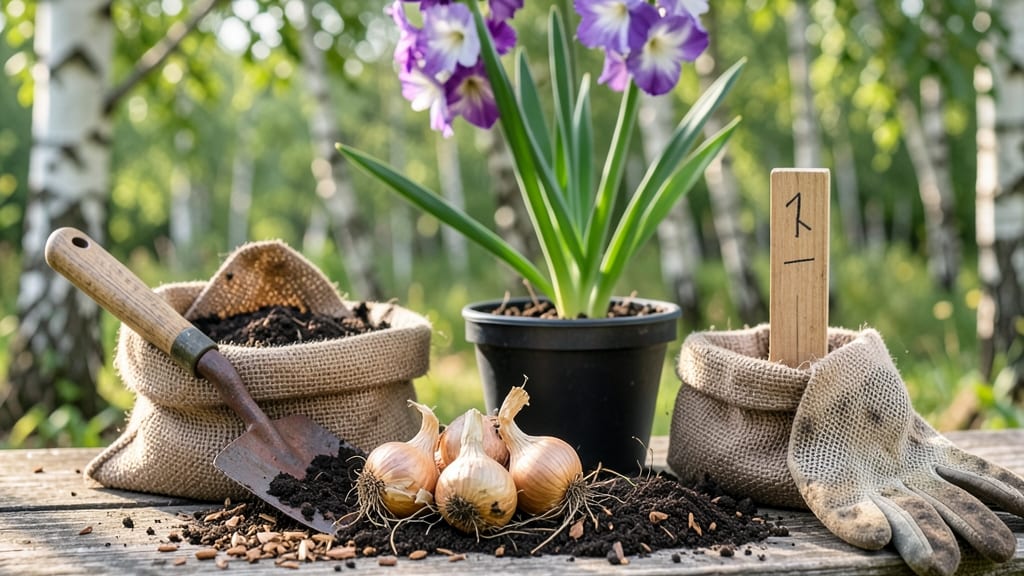
Chicago’s ideal gladiolus planting timeline by soil temperature
Gladiolus bulbs thrive in warm soil—waiting until the ground reaches 50°F (10°C) ensures healthy root development. In Chicago’s USDA Zone 6a, this typically aligns with mid-April to early May, but your exact timing depends on micro-climates and last frost dates.
Urban areas like downtown Chicago often warm faster than suburban spots due to the urban heat island effect. Test your soil with a soil thermometer—plant when it consistently hits 50°F+ at 4-inch depth. This prevents cold shock to tender roots.
Chicago’s average last frost date is May 15, but planting 4-6 weeks before (around April 15) gives bulbs a head start. Early blooms reward patience—gladiolus flowers typically appear 90-120 days after planting, meaning July-September displays.
For extended seasons, try staggered planting: sow half your bulbs in mid-April and the rest in early May. This spreads blooms from late July to early October, maximizing your garden’s summer color.
🌱Pro Tip: Use black plastic mulch to warm soil faster in cool springs. This can shave 1-2 weeks off your planting timeline by trapping heat near the bulbs.
⚠️ Warning: Planting too early (before April 1) risks rot from lingering frost. If nights dip below 32°F (0°C), cover bulbs with straw mulch or a cloche until soil warms.
🌿Soil Prep Check: Gladiolus bulbs need well-draining soil with a pH of 6.0-6.8. Amend heavy clay with compost or sand to prevent waterlogging, which causes bulb rot.
Chicago’s suburban areas (e.g., Naperville, Evanston) often have cooler micro-climates than the city. Adjust your planting by 1-2 weeks later if your yard stays chilly longer.
🌡️Soil Temperature Timeline:
- 40°F (4°C): Too cold—bulbs won’t sprout.
- 50°F (10°C): Ideal for planting.
- 60°F+ (15°C+): Optimal growth phase begins.
| Stage | Action | Soil Temp | Chicago Timeline |
|---|---|---|---|
| Soil Prep | Amend soil with compost | N/A | March-April |
| Planting | 4-6" deep, 6" apart | 50°F+ | Mid-April to May 1 |
| Sprouting | Monitor for shoots | 55°F+ | Late April |
| Blooming | Stake tall varieties | 65°F+ | July-September |
| Post-Bloom | Cut back foliage | N/A | October |
💡Light & Location Tip: Gladiolus need full sun (6+ hours/day). In Chicago, south-facing beds or raised beds (which warm faster) are ideal. Avoid shady corners—they’ll produce weak stems and fewer blooms.
For container gardening, use large pots (12"+ deep) with drainage holes. Plant bulbs in late April and place containers in sunny spots like patios or balconies. Containers warm up faster than ground soil, giving you a 2-week head start.
🌿Final
Gladiolus hardiness zones in Chicago: what USDA Zone 5 & 6 gardeners need to know
Chicago’s USDA hardiness zones 5b-6a play a critical role in determining whether your gladiolus bulbs survive winter or need annual replanting. Since gladiolus are not cold-hardy, most Chicago gardeners treat them as annuals, but with the right strategies, you can extend their lifespan.
The key challenge in Zone 5-6 is protecting bulbs from freezing temperatures below 20°F, which can kill dormant corms. In colder microclimates (like Chicago’s west side), bulbs may not survive even with mulch, while urban heat islands (like downtown) offer slightly better protection.
For Zone 5b gardeners, opt for early-blooming varieties like 'White Prosperity' or 'Pink Star'—they finish flowering before the first frost and have a better chance of overwintering if insulated properly. Zone 6a gardeners have a slight edge, as their later frosts allow for longer growing seasons and slightly higher survival rates.
Gladiolus in Chicago: Annual vs. Perennial
✅ Treat as Annuals
- Easier care—no overwintering stress
- Fewer losses from winterkill
- Fresh bulbs each spring for better blooms
- Ideal for Zone 5b gardeners
❌ Attempt Overwintering
- Risky in Zone 5b—bulbs may rot or freeze
- Requires heavy mulch (6+ inches of straw)
- Better for Zone 6a with microclimate protection
- Time-consuming—digging, storing, replanting
If you’re determined to overwinter gladiolus in Zone 5-6, focus on late-season varieties that finish blooming by early September. Cut back foliage after frost, then cover the soil with 12 inches of straw or leaves to insulate the corms.
In Zone 6a, this method can work, but Zone 5b gardeners should dig bulbs after the first frost, dry them, and store in a cool, dark place until spring.
For urban gardeners, container growing is a smart workaround—pots can be moved to protected areas during winter or stored indoors. Just ensure containers have drainage holes to prevent rot, and use a lightweight potting mix to avoid weight issues.
Pro tip: Stagger planting by 2-3 weeks to extend your blooming season. Early plantings (mid-April) give you summer flowers, while late plantings (June) may still bloom before frost—just choose shorter varieties like 'Picasso' for better reliability.
Remember, gladiolus thrive on warmth, so even in Chicago, they’ll reward you with bold, showy blooms if you time their planting right and protect them from winter’s worst. Start with annual planting, then experiment with overwintering in milder microclimates as you gain experience.