
Plants
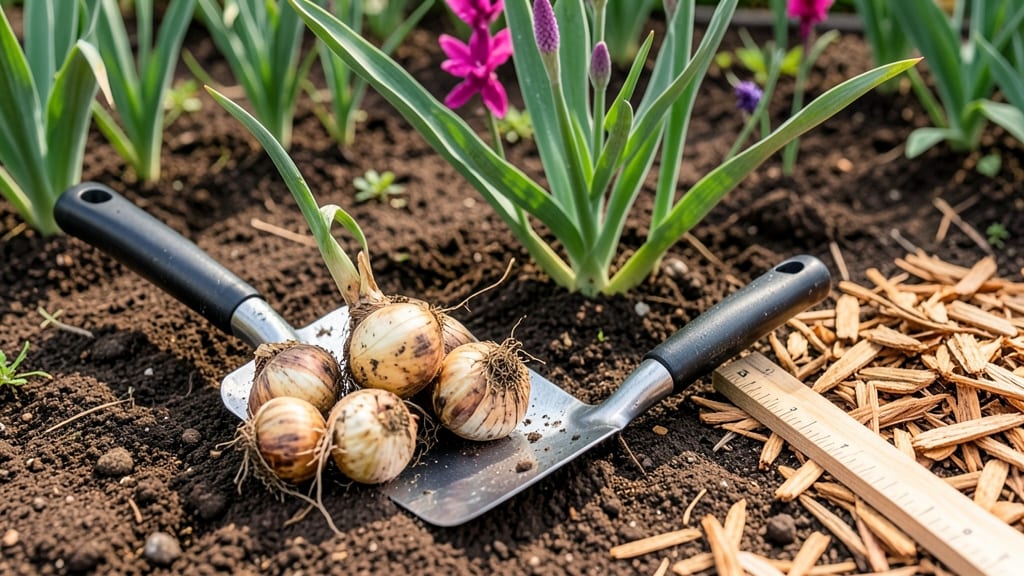
Timing your gladiolus planting in Florida right is the secret to those jaw-dropping summer blooms that make your garden the envy of the neighborhood. Unlike cooler climates where spring planting works perfectly, Florida’s warm winters and unpredictable weather demand a different approach.
Most gardeners here make one of two mistakes: planting too early and risking heat stress or waiting too late and missing the bloom window entirely. The ideal time to plant gladiolus corms in Florida is actually February through March for spring blooms, or August through September for stunning fall displays.
This isn’t just about throwing corms in the ground and hoping for the best. Florida’s unique climate means you’ll need to consider soil temperatures, regional frost dates, and even hurricane season prep. Let me walk you through the exact schedule that’ll give you bold, long-lasting blooms without the guesswork.
We’ll cover everything from soil preparation to post-planting care, including how to protect your gladiolus from Florida’s summer storms while keeping them thriving. Ready to transform your garden into a summer-long floral spectacle?
Best planting months for gladiolus in Florida’s climate zones
Florida’s unique climate—with its warm winters and humid summers—means gladiolus planting isn’t one-size-fits-all. The USDA Zones 8a-11 create distinct windows for planting, and timing directly impacts whether your glads bloom or bolt.
In North Florida (Zones 8a-9a), like Jacksonville or Gainesville, the last frost typically hits around January 15, while South Florida (Zones 10a-11), including Miami and Fort Lauderdale, rarely sees frost. This means your planting schedule should shift dramatically depending on where you live.
For spring blooms, aim to plant gladiolus corms in February or early March across most of Florida. This gives them 8-10 weeks to establish roots before summer’s heat peaks. In South Florida, you can even plant as late as April for late-summer flowers.
However, planting too early—like in January—risks exposure to unpredictable cold snaps, which can stunt growth or kill young shoots.
For summer/fall blooms, the best window is August-September. This timing ensures your glads flower just before winter, avoiding the stress of hurricane season or extreme heat. In North Florida, September planting is ideal, while South Florida gardeners can extend this to early October.
The key is to plant when soil temperatures are consistently above 60°F, which happens naturally in these months.
| Florida Zone | Best Planting Month | Soil Temp Trigger | Bloom Window | Key Risk |
|---|---|---|---|---|
| 8a-9a (North FL) | February-March | 60°F+ consistently | April-June | Late frost |
| 9b-10a (Central FL) | March-April | 65°F+ consistently | May-July | Heat stress |
| 10b-11 (South FL) | August-September | 70°F+ consistently | October-December | Hurricane season |
One common mistake Florida gardeners make is planting gladiolus too late in summer, like June or July. While it’s possible, the intense heat and humidity can cause corms to rot before they sprout.
If you’re set on summer blooms, opt for heat-tolerant varieties like ‘Black Pearl’ or ‘Green Star’ and plant in late July to give them a fighting chance. Always choose a well-draining location to prevent waterlogged soil, which is especially critical in Florida’s rainy season.
For sequential blooms, stagger your planting by 2-3 weeks. For example, plant one batch in February, another in March, and a final batch in August. This ensures your garden has gladiolus blooms from spring through fall.
Just remember: in South Florida, avoid planting after September 15, as the risk of hurricane-related flooding increases, and corms may not establish properly.
Pro tip: Use a soil thermometer to check temperatures before planting. Gladiolus corms need soil that’s at least 60°F for North Florida and 65°F+ for Central/South Florida. If your soil is cooler, wait a week or two—rushing the process can lead to poor root development and stunted blooms.
Patience pays off with healthier, taller glads that stand up to Florida’s summer storms.
In North Florida, where winters are milder but still chilly, consider mulching heavily after planting to protect corms from unexpected cold snaps. Use straw or pine needles to insulate the soil without smothering the plants.
In South Florida, where frost is rare, focus on shade cloth during the hottest afternoons to prevent heat stress on young shoots.
Finally, pay attention to your local microclimate. Coastal areas like Tampa Bay or Miami may experience higher humidity and more rainfall than inland cities like Orlando or Tallahassee.
Adjust your planting timeline accordingly—coastal gardeners might need to plant 1-2 weeks earlier to avoid fungal diseases like botrytis, which thrive in damp conditions.
By aligning your planting schedule with Florida’s climate zones and seasonal risks, you’ll set your gladiolus up for successful, long-lasting blooms that brighten your garden from spring to fall. 🌸
How to time gladiolus planting for maximum summer blooms
Timing your gladiolus planting is everything in Florida—get it right, and you’ll enjoy bold summer blooms from April to June. Gladiolus need 8–10 weeks from planting to flowering, so late winter or early fall are your best bets.
For spring blooms, plant corms in February–March after the last frost risk, while fall planting (August–September) ensures vibrant flowers for late summer.
Florida’s heat can stress young plants, so aim to plant when soil temps are 60–70°F. Use a soil thermometer to check—if it’s hotter, wait or plant in shade cloth until roots establish. Pro tip: Stagger your planting every 2 weeks for sequential blooms all season long!
- Week 0: Plant corms 4–6 inches deep in well-draining soil.
- Week 2–3: Sprouts emerge; water deeply to encourage roots.
- Week 5–6: Stems reach 6–12 inches; add stakes if needed.
- Week 8–10: Bud formation begins; reduce water slightly.
- Week 10–12: Blooms open—enjoy your showstopping flowers!
For Florida’s humidity, avoid planting in summer months (June–July), as the heat and moisture can cause rot or fungal diseases. Instead, focus on fall planting for heat-tolerant varieties like ‘Green Garter’ or ‘Picasso.’
If you’re in South Florida (Zone 10–11), you can plant year-round, but late summer is ideal to beat the worst heat.
After planting, mulch around the base with 2–3 inches of organic mulch to retain moisture and regulate soil temps. Water deeply 2–3 times per week (more in summer), and fertilize lightly with a balanced 10-10-10 mix when sprouts appear. Never overwater—gladiolus hate soggy roots!
To extend your blooms, harvest spent flowers regularly and deadhead to encourage more blooms. In North Florida (Zone 8–9), dig up corms after the first frost and store them in dry peat moss until replanting. In South Florida, they’ll often survive winter in the ground with minimal care.
With the right timing and care, your gladiolus will reward you with stunning vertical interest and long-lasting cut flowers. Start planning now—your summer garden will thank you! 🌸