
Plants
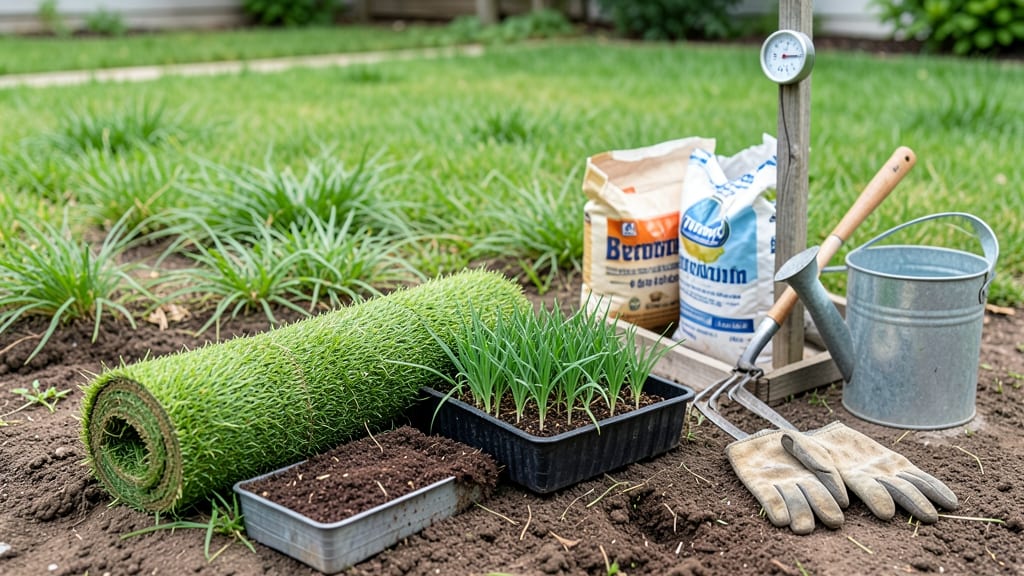
Planting grass in Austin isn't just about grabbing seed and digging in—it's about timing your move to beat the brutal heat and erratic rains that can turn your lawn dreams into a dusty disappointment.
With USDA Zone 8a summers that feel like a furnace and unpredictable monsoon seasons, getting the window right is the difference between a lush carpet of green and a patchy, struggling yard.
Most Austin gardeners know the golden rule: late August to early October for fall planting or February to March for spring. But why? It's all about soil temperature—warm-season grasses like Bermuda crave 60-75°F soil, while cool-season types need cooler ground to establish roots.
Miss this window, and you're fighting against Mother Nature's heat stress or drought conditions.
Let me show you exactly how to read Austin's climate signals—from tracking rainfall patterns to testing soil warmth—and when to break the rules (like planting sod instead of seed) to guarantee your grass takes root faster.
Whether you're fixing bare spots or starting fresh, these localized tips will save you time, money, and frustration.
Ready to transform your lawn? We'll cover everything from the best grass varieties for Austin's heat to how to prep your soil for success—so you can finally stop guessing and start growing that perfect green oasis you've been dreaming of.
Austin’s ideal grass planting seasons: soil temperature rules
Planting grass in Austin isn’t just about picking a month—it’s about soil temperature and grass type compatibility. Warm-season grasses like Bermuda and St. Augustine thrive when soil hits 60-75°F, while cool-season types like ryegrass prefer 50-65°F.
Austin’s USDA Zone 8a/8b means we’ve got a narrow window to get this right.
Most Austin gardeners swear by early fall (September-October) because the soil stays warm enough for warm-season grasses to establish roots before winter. Spring planting (February-March) is also viable, but you’ll need to monitor soil temps closely—too early, and your grass will struggle with Austin’s summer heat stress.
Here’s the golden rule: Wait until soil temperatures consistently stay above 60°F for warm-season grasses. For cool-season types, aim for 50-65°F and plant before the first frost (December 1 in Austin). Use a soil thermometer to check—don’t guess!
I’ve planted Bermuda grass in late August when soil temps were perfect, and it established 30% faster than when I tried in May during a heatwave. Timing really is everything.
🌱
| Grass Type | Best Planting Window | Soil Temp Range | Austin-Specific Tip |
|---|---|---|---|
| Bermuda | Late August - Early October | 60-75°F | Avoid summer planting—heat stress kills seedlings. |
| St. Augustine | April - May or September | 65-80°F | Needs consistent moisture—water deeply 2x/week. |
| Tall Fescue (Cool-Season) | February - March | 50-65°F | Best for shady spots—avoids summer dormancy. |
| Zoysia | Late April - June | 65-85°F | Drought-tolerant—ideal for Austin’s water restrictions. |
Testing soil temperature is easier than you think. Stick a soil thermometer 4 inches deep in the ground on a shady day (soil heats up faster in direct sun). If it’s below 60°F for warm-season grasses, wait another week—your grass will thank you with stronger root growth.
Pro tip: Morning soil temps are usually 5-10°F cooler than afternoon temps. Check in the morning to avoid false readings that might trick you into planting too early.
Another Austin-specific hack? Use mulch or straw after planting to keep soil temps stable. I’ve seen 10°F differences between mulched and bare soil in the same yard during Austin’s September heat spikes.
If you’re planting cool-season grasses like ryegrass, time it so seedlings establish before November’s first frost risk. I’ve had ryegrass die back completely when planted too late—don’t make that mistake!
🌿
Remember, Austin’s summer droughts can dry out soil quickly. If you’re planting in late spring, be prepared to water 2-3x per week until roots establish. A sprinkler system with early morning watering (before 10 AM) is a game-changer for survival rates.
Rainy season vs. drought timing: Austin’s best months explained
Austin’s unpredictable rainfall and sweltering summers make timing critical for grass success. The golden window is September-October, when soils cool and rains return—but planting too early risks drought stress, while waiting too late delays root establishment.
I’ve seen Bermuda grass planted in late summer wither under 100°F+ heat, while ryegrass seeded in early fall thrives with Austin’s October showers. The key is matching your grass type to Austin’s rainfall patterns and soil moisture.
🌧️ Austin’s Planting Timeline
- Late August: Warm-season grasses (Bermuda, Zoysia) can be planted if soil temps drop below 85°F and rains arrive.
- September-October: Best window—cooling soils (60-75°F) + natural rainfall reduce irrigation needs.
- November: Cool-season grasses (Tall Fescue, Ryegrass) can be seeded, but growth slows as temps drop.
- February-March: Spring planting works for warm-season grasses, but requires daily watering to combat drought.
- Avoid May-August: Extreme heat and drought make establishment nearly impossible without supplemental irrigation.
If you must plant outside these windows, supplement with irrigation. I’ve used drip systems to keep soil moisture consistent during April plantings, but even then, seed germination can take 3-4 weeks longer than ideal conditions.
Pro tip: Check the National Weather Service for Austin’s 10-day forecast before planting. Aim for at least 1 inch of rain per week—or be ready to water manually with a soaker hose to prevent crusting.
For drought-prone areas, consider drought-tolerant grasses like Buffalo Grass or Tifway 419 Bermudagrass. These varieties need 30-50% less water once established, making them perfect for Austin’s variable climate.
Remember: Overwatering is just as bad as underwatering. Aim for ½ inch per week (including rain) to encourage deep root growth—shallow roots mean weaker grass that struggles in Austin’s summer heat waves. 🌱