
Plants
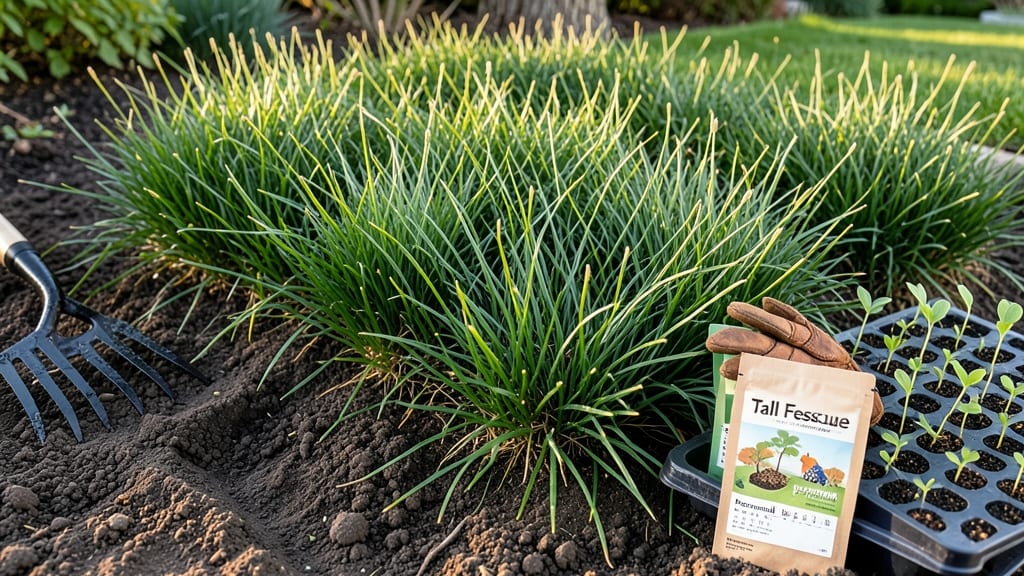
Timing your grass planting in Illinois can make or break your lawn's success—especially when soil temperatures and frost dates collide. If you plant too early, frost will kill your seed before it takes root, while waiting too long means battling summer heat and weeds.
The best window is narrow but critical: early spring or fall when conditions are just right for your 🌱 to thrive.
Most Illinois homeowners in USDA zones 5a-6b get it wrong by guessing instead of checking soil temps—50-65°F is the sweet spot for cool-season grasses like Kentucky Bluegrass. I’ll show you exactly when to plant in your region, so you skip the trial-and-error and get a lawn that starts strong.
Whether you're prepping for spring or planning ahead for fall, the key is understanding how your local climate plays a role. From avoiding frost damage to beating summer stress, these insights will help you plant at the fastest possible pace for germination.
Let’s dive into the perfect schedule for your Illinois lawn.
Ready to transform patchy soil into a vibrant green carpet? The secret isn’t just the seed—it’s the timing. I’ll walk you through the exact months, soil checks, and prep steps to ensure your grass gets the head start it deserves.
Best months to plant grass in Illinois by soil temperature
Planting grass in Illinois isn't just about picking a month—it's about soil temperature. Cool-season grasses like Kentucky Bluegrass and Tall Fescue thrive when soil temps stay between 50°F and 65°F. Plant too early, and frost will kill seedlings. Too late, and summer heat stresses young roots.
Illinois' USDA zones 5a-6b mean regional differences matter. Northern areas (like Chicago) have shorter growing seasons, while southern regions (like St. Louis) can extend planting windows. Always check your last frost date—typically around April 15—as your guide.
Here's the golden rule: Aim to plant 4-6 weeks before your area's average last frost. This gives grass time to establish roots before summer heat arrives. For Illinois, that usually means early March to mid-April for spring planting.
Fall planting offers a second chance. September to early October provides ideal conditions—cool air, warm soil, and fewer weeds. Grass planted now grows roots all fall and emerges strong in spring.
Southern Illinois (warmer microclimates) can push spring planting into late April or May, but northern zones should stick to March-April. Always test your soil temperature before planting—50°F is the magic number for germination.
🌱 Illinois Grass Planting Guide by Season
| Season | Best Months | Soil Temp Range | Grass Types | Key Tips |
|---|---|---|---|---|
| Early Spring | March-April | 50°F-60°F | Kentucky Bluegrass, Tall Fescue | Plant 4-6 weeks before last frost |
| Late Summer | September-October | 55°F-65°F | Fine Fescue, Ryegrass | Avoid planting after first frost |
| Avoid | June-August | Above 70°F | All cool-season | High heat stresses seedlings |
| Alternative | November-February | Below 50°F | Winter Ryegrass | Use for overseeding only |
Northern Illinois (Chicago area) should prioritize March-April planting due to earlier frosts. Southern Illinois can extend spring planting into May, but always monitor soil temps—65°F is the upper limit for cool-season grasses.
For fall planting, aim to finish by mid-October in northern zones or late October in southern areas. Grass needs 6-8 weeks of warm soil to establish roots before winter dormancy begins.
Pro tip: Use a soil thermometer ($10 at garden centers) to check temps at 4-inch depth. If it's below 50°F, wait—cold soil delays germination by weeks. Patience here saves you from replanting.
Remember, Illinois' microclimates create local variations. A backyard in USDA zone 5a (northern IL) may need to plant 2 weeks earlier than one in zone 6b (southern IL). When in doubt, observe your neighbors' lawns—healthy grass is your best teacher.
Best months to plant grass in Illinois by soil temperature
Illinois' USDA zones 5a-6b mean your grass thrives when soil temperatures stay between 50°F and 65°F—this is the golden window for cool-season grasses like Kentucky Bluegrass and Tall Fescue. Planting outside this range risks poor germination or frost damage, so timing matters more than most gardeners realize.
In Illinois, the ideal planting months are March-April (spring) and September-October (fall). These windows align with when soil warms enough for seeds to sprout but stays cool enough to avoid summer heat stress.
For example, northern Illinois (zones 5a-5b) may wait until late April due to later frost dates, while southern Illinois (zones 6a-6b) can start as early as mid-March.
Soil temperature is your best indicator—grass seeds need 50°F+ to germinate, but 65°F+ can cause seeds to dry out before sprouting. Use a soil thermometer (just $10 at garden centers) to check depths of 1-2 inches, where seeds will be planted. If your soil is below 50°F, wait 2-4 weeks for better results.
| Season | Best Months | Soil Temp Range (°F) | Grass Types | Notes |
|---|---|---|---|---|
| Spring | March–April | 50–65°F | Kentucky Bluegrass, Tall Fescue | Plant 4–6 weeks before last frost |
| Fall | September–October | 50–65°F | Fine Fescue, Perennial Ryegrass | Grass establishes roots before winter |
| Summer | June–August | Above 70°F | Bermuda Grass (warm-season) | Risk of drought stress; avoid for cool-season grasses |
If you miss the spring window, don’t panic—fall planting is just as effective. In fact, many Illinois gardeners prefer fall because cooler temps reduce weed competition, and grass has 6–8 weeks to establish roots before winter.
Aim to finish planting by mid-October to allow 4–6 weeks of growth before the first frost.
For warm-season grasses like Bermuda Grass (common in southern Illinois), the window shifts to late spring (May) when soil reaches 70°F+. However, these grasses are less common in residential lawns and require full sun and drought tolerance, making them a niche choice for most Illinois homeowners.
Pro tip: Test your soil before planting—Illinois soils often need lime or phosphorus for optimal grass growth. A simple soil test kit (available at local extension offices) costs $20 and can save you from wasted seed.
Adjust your planting schedule based on test results, especially if your soil is sandy (drains too fast) or clay-heavy (retains too much moisture).