
Plants
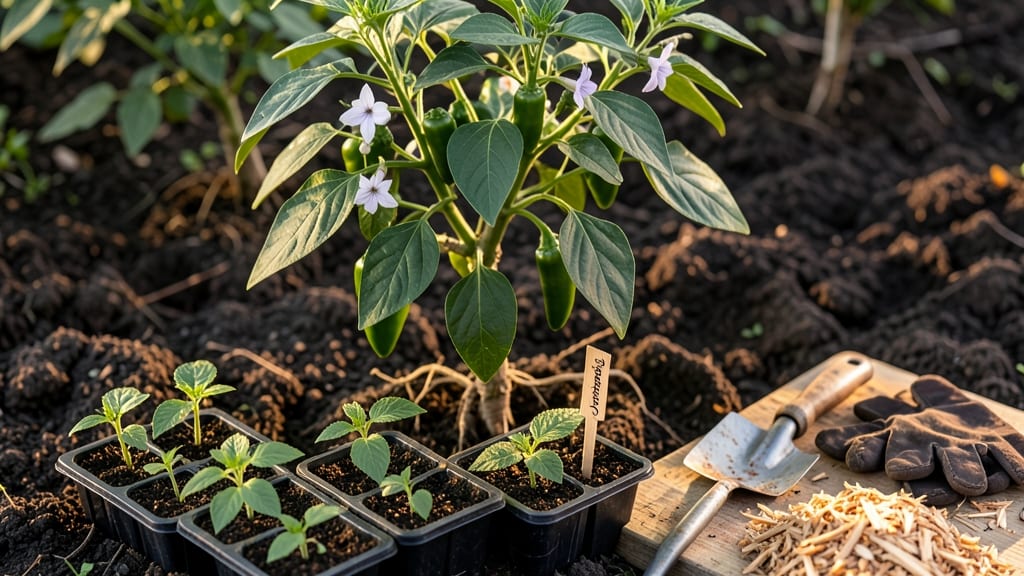
Timing when to plant jalapeños in Colorado can mean the difference between a bumper crop of 🌶️ and a frost-killed disappointment. With our state's dramatic elevation shifts and unpredictable spring weather, getting those seeds in the ground at just the right moment is the key to a successful harvest.
Most Colorado gardeners know the general rule—wait until after the last frost—but what you don't know could cost you peppers. Denver's average last frost date is around May 15, while Colorado Springs sees it earlier, by May 5.
High-altitude areas like Boulder or Aspen may need to wait even longer, and microclimates can shift those dates by weeks.
This guide breaks down exactly when to start seeds indoors versus transplanting, how to adjust for your specific USDA zone, and pro tips to stretch your growing season.
Whether you're a first-time gardener or a seasoned pro, these strategies will help you avoid the heartbreak of early frost and maximize your harvest from July through October.
Ready to turn your Colorado garden into a spicy success story? Let's dive into the perfect planting windows and microclimate adjustments that will have your jalapeños thriving when others are still waiting for their first green shoots.
Colorado jalapeño planting zones: frost dates by elevation and region
Colorado’s dramatic elevation changes—from desert lowlands to alpine valleys—create wildly different frost dates for jalapeños. Jalapeños thrive in USDA zones 5-7 but need at least 120 frost-free days to mature.
In Denver (zone 5b), your last frost typically hits May 15, while Colorado Springs (zone 5a) sees frost by May 5. High-altitude areas like Aspen (zone 4b) face frost until June 10, requiring early starts or cold-hardy varieties.
Microclimates add another layer: Urban heat islands in Denver can push last frosts 1-2 weeks later than rural areas, while mountain valleys like Boulder’s Flatirons may frost 3-5 days earlier. Always check your local cooperative extension for updates, as Colorado’s Chinook winds can delay frost unpredictably.
Key frost dates by region:
- Denver (5b): Last frost May 15, first frost Oct 15
- Colorado Springs (5a): Last frost May 5, first frost Oct 5
- Fort Collins (5a): Last frost May 10, first frost Oct 10
- Aspen (4b): Last frost June 10, first frost Sept 20
- Grand Junction (7a): Last frost April 15, first frost Nov 1
| Region | USDA Zone | Last Frost Date | First Frost Date | Frost-Free Days | Planting Window |
|---|---|---|---|---|---|
| Denver | 5b | May 15 | Oct 15 | 150 days | Apr 15–Jun 1 |
| Colorado Springs | 5a | May 5 | Oct 5 | 150 days | Apr 1–May 20 |
| Fort Collins | 5a | May 10 | Oct 10 | 145 days | Apr 10–May 25 |
| Aspen | 4b | June 10 | Sept 20 | 100 days | May 1–Jun 15 |
| Grand Junction | 7a | Apr 15 | Nov 1 | 190 days | Mar 15–Jul 1 |
For high-altitude gardens above 8,000 feet, like those in Boulder or Leadville, choose early-maturing varieties (e.g., ‘Early Jalapeño’) or use row covers to extend the season.
In low-desert areas like Grand Junction, you can push plantings into late July for fall harvests, but ensure consistent irrigation to prevent heat stress.
Step-by-step jalapeño planting timeline for Colorado’s short growing season
Colorado’s short growing season demands precision when planting jalapeños. Whether you’re starting seeds indoors or transplanting, timing is everything to avoid early frosts or stunted growth. My strategy? Plan ahead and use microclimate adjustments to stretch your harvest window.
For Denver and Front Range gardeners (USDA Zone 5-6), aim to start seeds indoors 8-10 weeks before your last frost date. That means sowing seeds around mid-March for a late May transplant.
In Colorado Springs or Pueblo (Zone 6-7), you can push transplanting to early June since last frosts hit later.
🌱 Step-by-Step Planting Timeline
- 8-10 weeks before last frost: Start seeds indoors under grow lights (65-75°F soil temp). Use seed-starting mix and keep humidity high.
- 4-6 weeks before last frost: Harden off seedlings by placing them outdoors for 2-3 hours daily, gradually increasing exposure.
- 2 weeks before last frost: Set out row covers or black plastic mulch to warm soil and protect early transplants.
- After last frost (soil ≥60°F): Transplant seedlings 12-18 inches apart in full sun. Bury stems slightly for stability.
- Week 6 post-transplant: Begin light fertilization (10-10-10) to encourage flowering and fruit set.
- Week 10 post-transplant: Expect first jalapeños to ripen—harvest when 3-4 inches long and firm.
High-altitude gardeners in Boulder or Aspen (Zone 4-5) should start seeds indoors by February and use greenhouses or cold frames to extend the season. These areas have shorter frost-free periods, so prioritize early-maturing varieties like ‘Early Jalapeño’ (60-day harvest).
Pro tip: Use biodegradable pots for seedlings to avoid transplant shock. If you’re short on time, buy transplants from local nurseries in early May and give them a fertilizer boost right away. Just be ready to cover plants if late frosts sneak in!
For second plantings, try sowing seeds again in late June for a late-summer harvest. While yields may be smaller, this tactic maximizes your jalapeño supply before Colorado’s first frost in October. Just be prepared to harvest before full maturity if temps dip early.
Remember: Jalapeños need heat to thrive. If your garden runs cool, opt for containers near your home’s south side to absorb warmth. With this timeline, you’ll be picking peppers by July—just in time for homemade salsa or spicy snacks!