
Plants
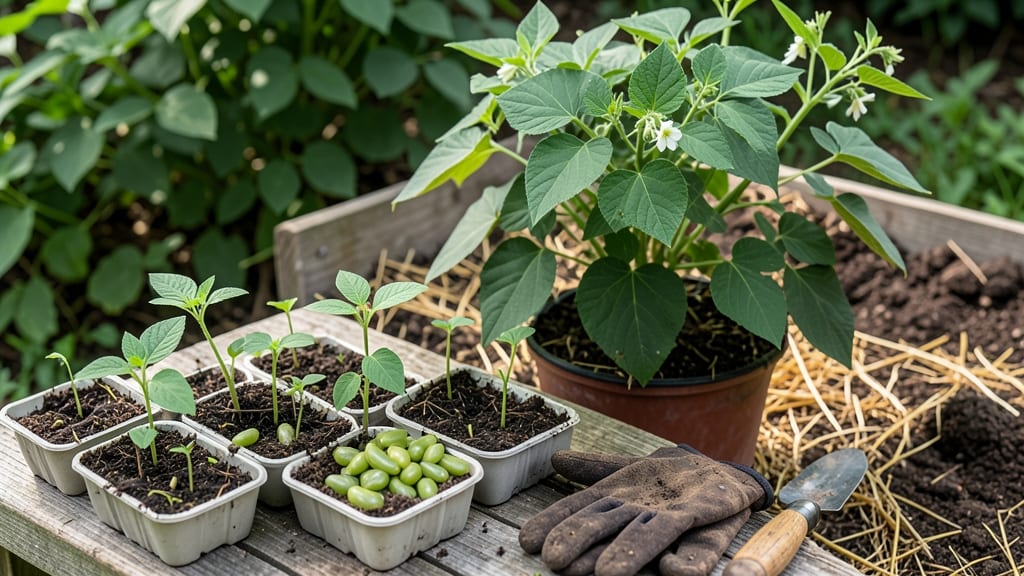
If you're dreaming of a bountiful green bean harvest in Southern California but don't know when to plant green beans for success, you're not alone. The wrong timing can mean struggling plants or even total failure—but with the right schedule, you'll enjoy crisp, homegrown beans from summer through fall.
Southern California's diverse microclimates—from coastal breezes to inland heat—mean planting windows vary dramatically. Whether you're in Los Angeles or the Inland Empire, knowing the ideal months to sow seeds is the key to avoiding common pitfalls like frost damage or scorched seedlings.
I’ve tested these methods in my own garden, and the results speak for themselves: thriving plants that produce pods consistently. Let me break down the exact planting schedule tailored to your region, plus pro tips to extend your harvest season and keep your beans productive all year.
Ready to transform your garden? We’ll cover soil prep, watering secrets, and how to spot the perfect moment to plant—so you can enjoy fresh, homegrown beans without the guesswork.
Best months to plant green beans in Southern California (by region)
Southern California’s diverse microclimates mean your green bean planting schedule depends heavily on where you live. Coastal areas like Los Angeles and San Diego have milder winters, while inland regions like Riverside and desert areas like Palm Springs experience extreme heat.
Let’s break down the optimal planting windows for each zone to maximize your harvest.
For coastal Southern California, the best time to plant green beans is between mid-February and early April. This window ensures warm soil temperatures (at least 60°F) and avoids the rare late-winter frost that can still occur near the coast.
If you’re in Los Angeles or Santa Barbara, you can even start seeds indoors in January for an earlier harvest.
In inland Southern California (think San Bernardino or Ventura), plant green beans between late February and mid-March. The soil warms faster here, but summer heat arrives earlier.
For a fall harvest, aim for late July to early August—this gives plants time to mature before temperatures soar above 90°F.
Desert regions like Palm Springs or Joshua Tree have the shortest growing season. Here, plant green beans in late February to early March for a spring harvest, or late July to early August for a fall crop.
Avoid planting in May through September—intense heat will stunt growth or cause flowers to drop without setting pods.
🌱
| Region | Spring Planting Window | Fall Planting Window | Key Consideration |
|---|---|---|---|
| Coastal (LA, San Diego) | Mid-February to early April | Late July to early September | Mild winters, rare frost risk |
| Inland (Riverside, Ventura) | Late February to mid-March | Late July to early August | Soil warms faster; avoid summer heat |
| Desert (Palm Springs, Joshua Tree) | Late February to early March | Late July to early August | Extreme heat limits growing season |
If you’re unsure about your local microclimate, check the USDA Plant Hardiness Zone for your area. Most of Southern California falls between Zones 9b and 11, but elevation and proximity to the coast create huge variations.
For example, Big Bear Lake (Zone 7) has much cooler nights than nearby Riverside (Zone 10).
For a year-round supply of green beans, use succession planting. In coastal areas, you can plant every 2-3 weeks from February through September. Inland gardeners should stick to spring and fall plantings to avoid summer’s brutal heat.
Choose heat-tolerant varieties like ‘Contender’ or ‘Blue Lake’ if you must plant in late summer.
Soil temperature is critical—green beans won’t germinate well in cold soil. Use a soil thermometer to confirm temperatures are above 60°F before planting. If your soil is too cool, try black plastic mulch or a cold frame to warm it up faster.
🌿
Pro tip: Direct-sow seeds rather than transplanting seedlings. Green beans have delicate roots that don’t handle transplant shock well. Plant seeds 1 inch deep and 3-4 inches apart, with rows 18-24 inches apart for bush varieties or 4-6 inches apart for pole beans.
Use a trellis or stakes for pole beans to save space and improve air circulation.
Finally, always monitor your plants for pests like Mexican bean beetles or diseases such as rust. Southern California’s dry heat can stress plants, so mulch heavily to retain moisture and water deeply in the morning to prevent fungal issues.
With the right timing and care, you’ll enjoy a bountiful green bean harvest all season long.
☀️
How to avoid common green bean planting mistakes in SoCal
Southern California’s mild winters and hot summers create unique challenges for growing green beans. Many gardeners make the same critical mistakes—like planting too early or ignoring soil prep—which can lead to poor germination or stunted growth. Let’s fix that with actionable tips tailored to our region.
One of the biggest mistakes is planting green beans in cold soil. Even in coastal areas, March temperatures can dip unexpectedly, slowing germination. Wait until soil reaches at least 60°F (15°C)—use your finger to test depth. If it feels cool past 1 inch, wait another week.
Another common error is overcrowding seedlings. Green beans need 4-6 inches of space between plants to avoid competition. Thin seedlings to the strongest 2-3 plants per foot—this prevents disease spread and improves air circulation. Use a sturdy trellis for pole varieties to save space and reduce pest access.
Watering inconsistently is a silent killer of green bean plants. SoCal’s dry winds and intense sun demand deep watering—1-2 inches per week—but avoid wetting leaves to prevent fungal diseases. Mulch with straw to retain moisture and keep roots cool during summer heatwaves.
For year-round harvests, practice succession planting. After your first harvest in June-July, sow a second crop in August-September for a fall harvest. Choose heat-tolerant varieties like ‘Contender’ or ‘Blue Lake’—they thrive in SoCal’s 90°F+ temperatures better than traditional types.
Finally, don’t skip soil testing. Green beans prefer pH 6.0-7.0 and nitrogen-rich soil. Amend clay-heavy areas with compost and avoid fresh manure, which can burn tender roots. A balanced fertilizer (5-10-10) applied at planting and again when flowers appear will boost yields dramatically.