
Plants
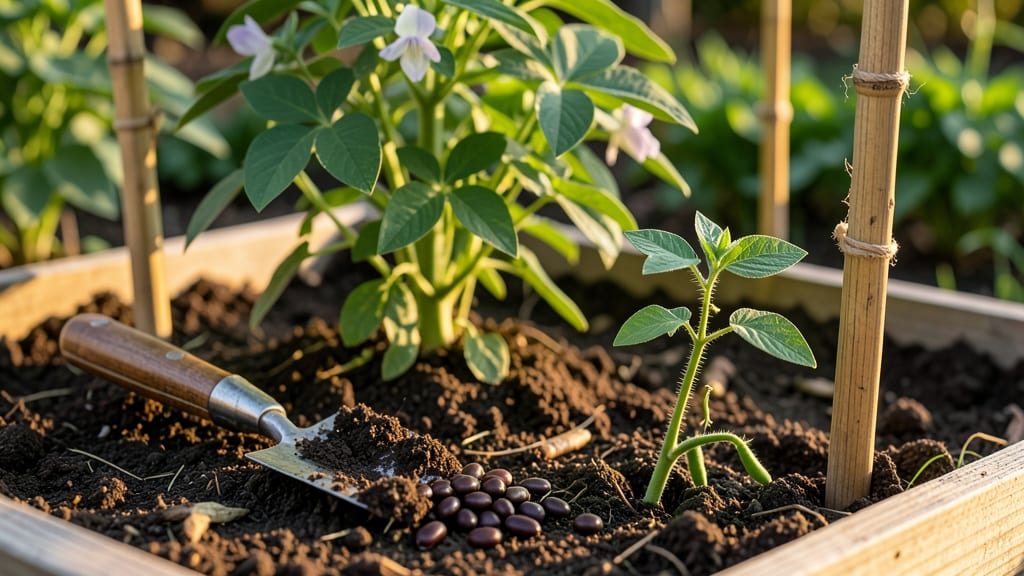
Timing your green bean planting in Washington State can make or break your harvest—get it wrong, and you’ll either face frost damage or miss the sweetest pods of the season.
The perfect window depends on where you live, with coastal areas like Seattle having a longer growing season than high-desert regions like Spokane.
Most gardeners in USDA Zones 6-8 should start seeds between April 15 and June 15 for spring planting, but fall varieties can go in as late as October 15.
The key is waiting until soil temperatures hit 60°F—too early, and cold soil slows germination, while waiting too long risks heat stress before harvest.
Whether you’re growing bush beans for quick harvests or pole varieties that climb all season, understanding your local frost dates is critical. I’ll walk you through the exact planting schedule for your region, plus pro tips to stretch your harvest and avoid common mistakes.
Ready to grow crisp, flavorful green beans? Let’s dive into the frost-free timeline that works for Washington’s diverse climate—and why some gardeners swear by fall planting for a second crop.
Washington State green bean planting zones: frost-free dates by region
Washington State’s diverse climate means your green bean planting timeline should vary dramatically between Western WA (coastal/mild) and Eastern WA (high desert). Even within the Puget Sound region, microclimates can shift planting windows by 2-4 weeks.
Let’s break down the last frost dates and ideal planting windows for each zone to ensure your beans thrive.
For Western Washington (USDA Zones 7-8), including Seattle, Olympia, and Bellingham, the last spring frost typically occurs between March 20 and April 15. This means you can start planting bush beans as early as late March in sheltered areas, but most gardeners wait until mid-April for safer germination.
Coastal areas may have 10-14 days later frost dates due to ocean moderation.
Eastern Washington (USDA Zones 6-7), like Spokane, Wenatchee, and Yakima, has a shorter growing season and colder soils. Here, the last frost often lingers until April 15 to May 1, delaying planting until mid-to-late April. High desert regions (e.g., Moses Lake) may even see frost into early May, so use row covers or wait until soil warms to 60°F.
The Puget Sound region (e.g., Everett, Tacoma) falls somewhere in between, with last frost dates around April 1. For this area, I recommend planting pole beans (like Kentucky Wonder) in early April and bush beans (like Blue Lake) in mid-April to stagger harvests.
Succession planting every 2 weeks ensures a continuous supply through summer.
| Region | Last Frost Date | Ideal Planting Window | Soil Temp for Planting | Notes |
|---|---|---|---|---|
| Western WA (Coastal) | March 20 - April 15 | Late March - Mid-April | 55°F+ | Humidity can cause fungal issues; space plants well. |
| Puget Sound | March 31 - April 10 | Early April - Early May | 60°F+ | Stagger plantings for extended harvests. |
| Eastern WA (High Desert) | April 15 - May 1 | Mid-April - Early May | 65°F+ | Use row covers for early starts; dry soil needs frequent watering. |
| Cascade Foothills | April 1 - April 15 | Late April - Early May | 60°F+ | Short season; choose fast-maturing varieties. |
If you’re planting for a fall harvest, aim for seeds in the ground by September 1 in most regions. Eastern WA can extend this to mid-September due to cooler nights, while coastal areas should finish by early August to avoid autumn rains.
For a second crop, try pole beans—they mature slower and can handle cooler temperatures better than bush varieties.
Pro tip: Use a soil thermometer to confirm soil temps before planting. Green beans need consistent warmth to germinate; if your soil is below 55°F, wait another week or use black plastic mulch to warm it faster.
In Zone 6 areas (e.g., Wenatchee), this can mean delaying planting until late April.
Don’t forget about microclimates! A south-facing slope in Spokane might be 2 weeks earlier to plant than a north-facing garden in Bellingham. Observe your garden’s unique conditions for 3 years to refine your planting schedule.
I’ve seen Kentucky Wonder pole beans thrive in Eastern WA when planted in early May, while the same variety failed in coastal WA if planted after mid-April.
For container gardening, start seeds indoors 4-6 weeks before your last frost date. Containers warm up faster than garden beds, so you can plant 2 weeks earlier than in-ground. Just ensure pots have drainage holes and use a lightweight potting mix to prevent waterlogging.
Remember: Succession planting is your best friend in Washington’s short season. Plant new seeds every 2 weeks from April through June to enjoy fresh beans through September.
In Eastern WA, this might mean your last planting is in early July—any later and the beans won’t mature before frost.
Best green bean varieties for Washington’s climate and their planting times
Washington State’s diverse climate means not all green bean varieties thrive equally. Bush beans like Blue Lake are ideal for cooler coastal areas, while pole beans such as Kentucky Wonder excel in warmer inland zones.
Your choice affects both planting timing and harvest window, so let’s break it down by variety and region.
For Western WA (coastal/mild), plant bush varieties like Contender or Provider between April 15 and May 15 to avoid late spring frosts. These compact plants mature in 50-55 days, giving you a harvest by late June or early July before summer heat sets in.
In Eastern WA (high desert), where soil warms faster, pole varieties like Blue Lake or Mascotte can go in the ground as early as April 1—just cover seedlings with row fabric if nights dip below 40°F.
These vining beans need 60+ days to mature, so aim for a June 1 planting to harvest in late August.
For a second harvest, try fall planting with short-day varieties like Tendergreen between August 15 and September 15. These beans mature quickly (45–50 days) and can be harvested before first frost in most zones.
Use black plastic mulch to warm soil and extend the season by 2–3 weeks.
Pro tip: Succession plant every 2 weeks from April to June for a continuous harvest. In Zone 8 (Western WA), you can even squeeze in a late-July planting for a September harvest before cool weather arrives. Just monitor soil temps—they must stay above 60°F for germination.
Remember, pole beans need trellises (install at planting!), while bush beans thrive in tight rows. Choose wisely based on your space and microclimate to avoid overcrowding or poor air circulation, which invites pests like bean beetles. 🌱