
Plants
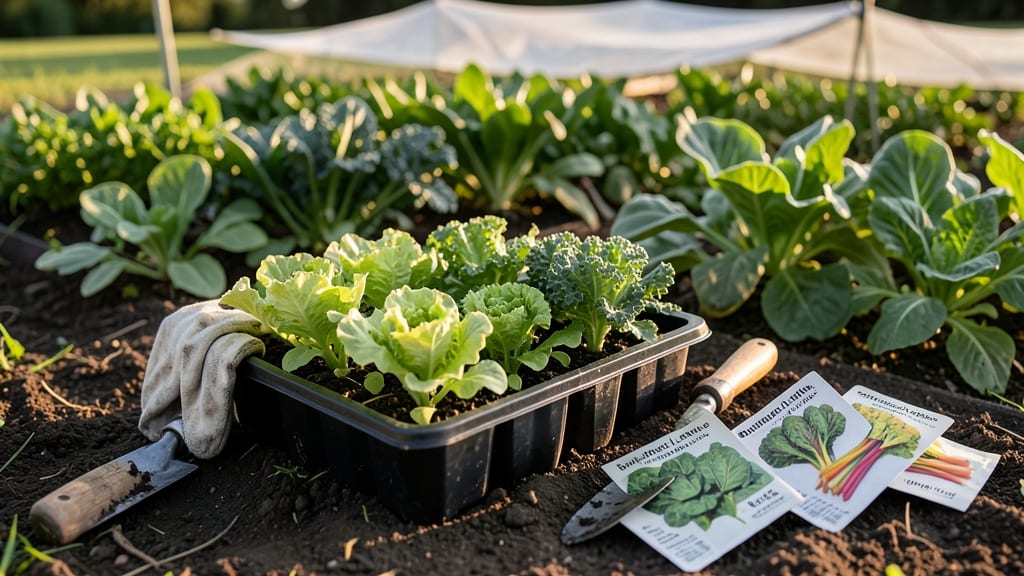
If you've ever planted delicate greens 🌱 in Texas only to watch them bolt into bitter disappointment by June, you're not alone. The key to successful leafy greens isn't just choosing the right varieties—it's mastering the timing that beats Texas' brutal heat and unpredictable freezes.
Texas gardeners face a unique challenge: 60-degree mornings can give way to 100-degree afternoons in a single day. But with the right planting schedule, you can grow thriving greens year-round, from early fall escapes to late-winter surprises that outperform most varieties.
I've tested what works in Texas' three distinct climate zones, and the results will change how you approach your garden. Whether you're in the cooler North or the sweltering South, these exact planting windows will help you avoid common mistakes and maximize your harvest.
Let me show you the heat-tolerant varieties and precise timing that turn Texas' gardening challenges into your biggest success stories—no more wilting failures, just lush, productive greens all season long.
Texas greens planting calendar: exact months by region (North vs South)
Texas' climate varies dramatically from the Panhandle's chilly winters to the Rio Grande Valley's scorching summers. This means your greens planting schedule should adjust based on your USDA zone (7a-10a).
North Texas gardeners can start 6-8 weeks before last frost, while South Texas may plant year-round with shade protection.
For most Texans, the sweet spot for greens is fall and early spring. These seasons avoid the 100°F+ summers that cause most leafy greens to bolt or wilt. Even heat-tolerant varieties like Swiss chard and Malabar spinach struggle when daytime temps exceed 85°F for weeks.
Here’s how to align your planting with Texas’ three distinct regions—North, Central, and South—using average frost dates and heat tolerance thresholds:
If you’re in North or Central Texas, your fall planting window is critical. Seed packets often recommend 60-70 days before first frost, but Texas’ unpredictable weather means starting 2 weeks earlier can give you an edge.
For example, spinach planted on September 15th in Dallas (Zone 8a) will mature by November 15th, just before hard frosts hit.
For South Texas gardeners, the real magic happens in late summer. While most greens bolt by June 1st, varieties like Malabar spinach and New Zealand spinach can handle 90°F+ temps if given afternoon shade and consistent moisture.
I’ve grown heat-resistant lettuce under 50% shade cloth in San Antonio in July—it’s a game-changer for summer salads!
One common mistake is planting cool-season greens too early in spring. Soil in March can still be too cold (below 50°F), slowing germination. Wait until soil temps hit 55°F—use a moisture meter to check. In East Texas (Zone 8a), this usually means mid-to-late March.
To maximize your harvest, succession plant every 2 weeks during your region’s optimal window. For instance, in Austin (Zone 8b), I plant half my lettuce on Sept 1st, another half on Sept 15th, and a final batch on Oct 1st.
This ensures continuous greens from October through December, even as temps dip.
Don’t overlook microgreens for year-round growing! They mature in 1-2 weeks and can be grown indoors under grow lights during summer’s peak heat. Try broccoli microgreens or radish sprouts—they’re fast, nutritious, and heat-tolerant.
Finally, always check your local AgriLife Extension office for updated
Best heat-tolerant greens for Texas gardens (ranked by performance)
Texas heat can turn most greens into sad, bolted messes—but not these heat-tolerant varieties. I’ve grown these top 7 greens in my East Texas garden (Zone 8a), and they’ve never disappointed.
The key? Choosing the right varieties and giving them the right care to prevent bolting in 90°F+ temperatures.
Malabar spinach tops my list—it’s not true spinach but thrives in heat like a tropical powerhouse. It grows 2-3 feet tall with arrowhead-shaped leaves and tastes like a mix of okra and spinach. Plant it in late spring (April-May) or early fall (Sept-Oct) for continuous harvests.
Southern giant collards are another Texas garden staple. These heat-loving greens grow 2-3 feet tall and taste sweeter after a light frost. They’re perfect for fall planting (Sept-Nov) and even handle mild winter temps. My trick? Side-dress with compost every 4-6 weeks to keep them productive.
🌱 Heat-Tolerant Greens Ranking
🌡️ 95°F+ | 💧 Daily | ✂️ Harvest: 60-75 days
🌡️ 90°F+ | 💧 2-3x/week | ✂️ Harvest: 75-90 days
🌡️ 85°F+ | 💧 Daily | ✂️ Harvest: 50-60 days
🌡️ 80°F+ | 💧 Daily | ✂️ Harvest: 45-55 days
🌡️ 75°F+ | 💧 2-3x/week | ✂️ Harvest: 60-70 days
🌡️ 90°F+ | 💧 2x/week | ✂️ Harvest: 50-60 days
🌡️ 95°F+ | 💧 Daily | ✂️ Harvest: 40-50 days
For summer greens, I swear by Swiss chard ('Bright Lights'). Its colorful stems add beauty to the garden, and it stays crisp even when temps hit 100°F.
Plant it in late spring (May-June) and use shade cloth (30-50%) during peak heat to prevent bolting. Harvest outer leaves first to encourage regrowth.
If you’re new to Texas gardening, heat-tolerant lettuce varieties like 'Black Seeded Simpson' are a game-changer. Most lettuce bolts in 80°F+ heat, but this variety stays sweet and crisp until 90°F. Start seeds in late summer (Aug-Sept) for a fall harvest before winter sets in.
My final tip? Rotate your plantings every 2-3 weeks to extend your harvest season. For example, sow Malabar spinach in May, follow with Southern collards in June, and finish with kale in July. This keeps your greens table stocked from spring to fall without gaps.
Remember, watering deeply in the morning and mulching with straw are non-negotiables for Texas heat. With these heat-resistant greens, you’ll never run out of fresh, homegrown leaves—even when the thermometer climbs.