
Plants
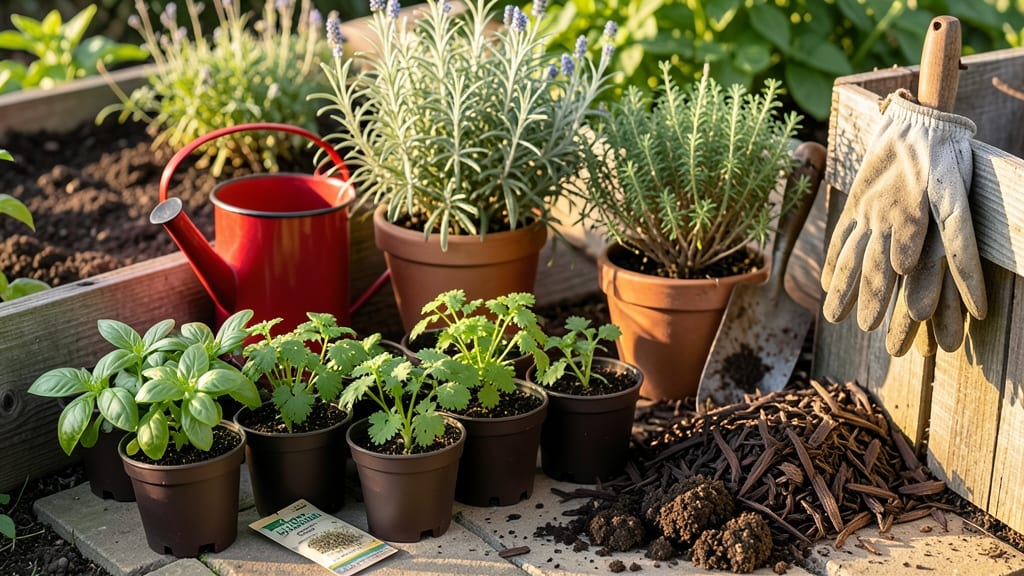
Planting herbs in Arizona at the wrong time can turn your fresh basil dreams into a sad, wilted mess—especially when the 110°F summer sun hits. The secret to thriving 🌿 gardens here? Knowing the perfect windows for fall and early spring planting, when temperatures cooperate and your herbs actually have a fighting chance.
Most gardeners in USDA Zone 9b make the same mistake: waiting too long to plant in spring or rushing fall prep. But here’s the truth—Arizona’s microclimates mean your low-desert basil behaves differently than your high-desert rosemary.
I’ll break down the exact months to plant, which herbs bolt fastest in heat, and how to stretch your growing season without losing your sanity (or your cilantro).
You’ll discover why September and October are your golden tickets for fall planting, how to prep soil for early spring success, and which herbs actually thrive in Arizona’s dry heat—no bolting required. Let’s get those 🌿 growing before the next heatwave arrives.
Ready to skip the guesswork? I’ll show you how to time your plantings for zero bolt risk, plus pro tips for container gardens that stay cool in summer. Your kitchen’s about to get a whole lot fresher—and a lot cheaper.
Best Arizona herb planting months by type: avoiding bolt and heat stress
Arizona’s USDA Zone 9b climate demands precision when planting herbs—one wrong month can mean bolting basil or crispy rosemary. The key is aligning your planting schedule with temperature thresholds and microclimate variations between low desert (Phoenix) and high desert (Flagstaff).
For most annual herbs, fall (September–November) is your best bet, while perennials like rosemary thrive when planted in winter (December–February).
Why? Arizona’s 100°F+ summers trigger bolting in heat-sensitive herbs like cilantro and parsley. Planting in cooler months gives roots time to establish before the heat ramps up. Even drought-tolerant herbs (oregano, thyme) need a head start—late summer (August) can work if you provide afternoon shade and consistent watering.
🌱Pro Tip: Check your local last frost date (typically January 15 in low desert, later in high desert). For cool-season herbs, wait until 2 weeks after frost to plant seeds or transplants.
Arizona’s low desert (Phoenix, Tucson) has earlier frost-free dates than the high desert (Flagstaff, Sedona), so adjust your schedule accordingly. For example, basil can bolt by June in Phoenix but may last until July in Flagstaff.
Use shade cloth (30–50%) to extend summer growing for heat-sensitive herbs like cilantro.
🌡️Critical Temperature Alert: Herbs like parsley and dill will bolt (flower prematurely) if soil temps exceed 75°F. Monitor with a soil thermometer—ideal planting temps are 60–70°F.
For container gardening, you can push planting dates 2–4 weeks later than in-ground because pots warm up faster. However, avoid black containers—they absorb heat and can cook roots. Opt for light-colored or insulated pots to regulate soil temps.
🌿Container Hack: Bury pots halfway in the ground to stabilize soil temps and reduce watering frequency by 30%.
If you’re in high desert areas (elevation 5,000+ ft), your growing season extends 4–6 weeks longer than low desert. For instance, cilantro might survive until late June in Flagstaff but bolt by May in Phoenix. Always check local microclimate guides—Arizona’s 100-mile elevation changes create dramatic differences.
📅Your Action Plan:
- Test soil temps before planting (use a soil thermometer).
- Mulch heavily (3–4 inches) to keep roots cool.
- Water deeply in the morning to prevent fungal diseases in Arizona’s dry heat.
Best Arizona herb planting months by type: avoiding bolt and heat stress
Arizona’s USDA Zone 9b climate means your herb garden thrives in two key windows: fall and early spring. Planting outside these periods risks heat stress or premature bolting, especially for heat-sensitive herbs like cilantro or basil.
The low desert (Phoenix, Tucson) has a longer growing season than the high desert (Flagstaff), so adjust timing accordingly.
Fall planting (September–November) is ideal for most herbs because cooler temps and shorter days reduce stress. In early spring (February–March), herbs like rosemary and thyme can handle mild warmth, while basil and dill need cooler soil to establish roots.
Summer planting is risky unless you’re growing heat-loving herbs like oregano or lemongrass.
| Herb Type | Best Planting Window | Heat Tolerance | Arizona Microclimate Notes |
|---|---|---|---|
| Annual Herbs (Basil, Cilantro, Dill) | September–November or February–March | Low (bolts in 90°F+) | Low desert: Plant by late Sept; high desert: Wait until March. |
| Perennial Herbs (Rosemary, Thyme, Oregano) | September–October or February | High (thrives in 100°F+) | High desert: Plant in spring; low desert: Can handle summer if mulched. |
| Heat-Resistant (Lemongrass, Mint, Sage) | March–April or August–September | Very High (100°F+) | Low desert: August planting works with shade cloth; high desert: Wait for spring. |
For low desert regions like Phoenix, September 15–October 15 is the sweet spot for most herbs. The soil stays warm enough for root growth but cools slightly by evening, reducing heat shock.
In high desert areas (elevation 5,000+ ft), wait until March 1–April 15 to avoid late frosts that can damage tender seedlings.
If you’re tempted to plant in late summer (July–August), opt for heat-tolerant varieties like lemongrass or mint and use shade cloth (30–50%) to protect young plants. Container gardening also helps—pots heat up faster than ground soil, so move them to shadier spots during peak afternoon sun (12 PM–4 PM).
Pro tip: Test your soil temperature before planting. Ideal ranges are 60–75°F for most herbs.
Use a soil thermometer or press your finger into the soil—if it’s too hot, wait a week or two. Mulching with straw (2–3 inches) keeps roots cool and retains moisture, which is critical in Arizona’s dry climate.
Remember, bolting (premature flowering) is your biggest enemy in Arizona. Herbs like cilantro and basil bolt when days get too long or temps exceed 85°F.
To delay bolting, harvest leaves regularly and avoid over-fertilizing with nitrogen, which encourages leafy (but unstable) growth. Shade cloth and evening watering (before 6 PM) also help.