
Trees
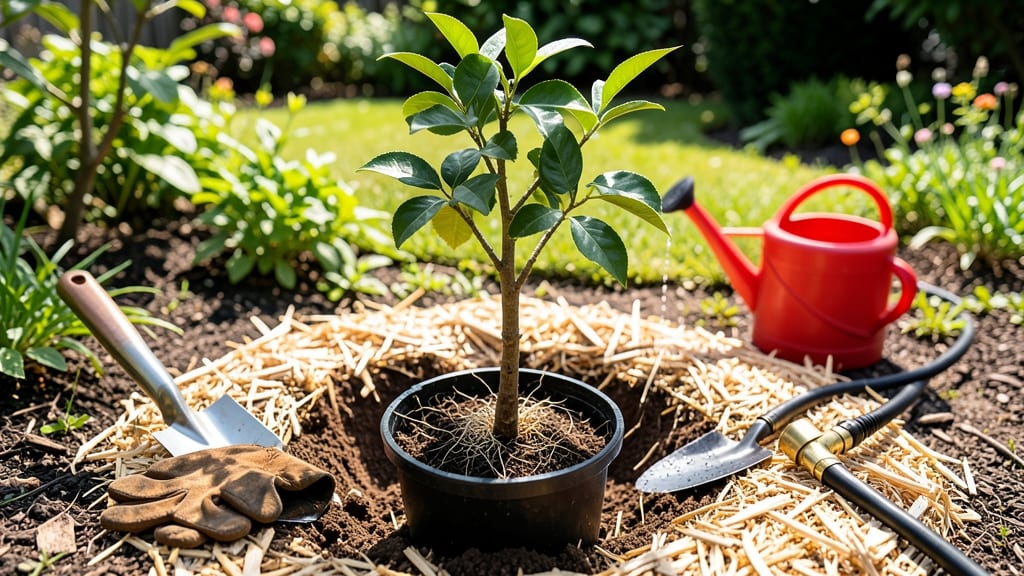
Best months to plant orange trees in Arizona’s climate zones
Arizona’s diverse climate zones—from the Low Desert to the High Desert—create unique windows for planting orange trees. Unlike many states, Arizona’s frost-free winters and mild temperatures allow planting year-round, but timing matters for root establishment and survival.
The ideal window spans November through February, when cooler temps reduce transplant shock.
In the Low Desert (Phoenix, Tucson), where summer temps can exceed 105°F, planting during winter months avoids extreme heat stress. The High Desert (Flagstaff, Prescott) has cooler nights, extending the planting window slightly into March for hardier varieties like Mexican lime or trifoliate orange.
Always check your local USDA Zone 9b-10a for precision.
Here’s how Arizona’s microclimates break down for planting success:
| Climate Zone | Best Planting Months | Soil Temp Threshold | Key Considerations |
|---|---|---|---|
| Low Desert (Phoenix, Tucson) | November–February | 60–75°F (ideal for root growth) | Avoid summer heat; use drip irrigation to prevent drought stress. |
| Transition Zone (Mesa, Sedona) | October–March | 55–70°F (cooler nights) | Monitor for late frost risks (rare but possible in higher elevations). |
| High Desert (Flagstaff, Prescott) | February–April | 50–65°F (hardier varieties only) | Choose cold-hardy citrus like ‘Chufa’ orange or ‘Calamondin’. |
🌱 Pro Tip: Test soil temperature with a soil thermometer before planting—ideal temps are 60–75°F for root growth.
While winter is prime, October and March can work for container-grown trees or dwarf varieties, provided you provide extra shade during summer months. Avoid planting in summer’s peak heat (June–August), as young roots struggle to establish in 110°F+ soil.
If you must plant in summer, use shade cloth and deep watering daily.
Another critical factor? Monsoon season (July–September). Planting before the monsoons ensures your tree isn’t flooded during its vulnerable root-establishment phase. The first 30 days post-planting are crucial—focus on consistent moisture and mulch application to retain soil moisture.
For bearing trees, timing also affects fruit production. Trees planted in winter often bear fruit 1–2 years earlier than those planted in spring. This is because cooler temps encourage root development before the tree shifts energy to flowering and fruiting.
Lastly, consider your orange tree variety. Valencia oranges thrive in the Low Desert, while Navel oranges prefer slightly cooler Transition Zone climates. Mexican lime or lemon trees are more adaptable to High Desert conditions. Always check the tag or nursery notes for variety-specific advice.
If you’re in a high-elevation area (e.g., Flagstaff), opt for cold-hardy hybrids like ‘Chufa’ or ‘Clementine’ varieties, which tolerate brief 28°F dips. These trees may take longer to bear fruit but are far more resilient to Arizona’s unpredictable microclimates.
Ready to plant? The next step is preparing your soil—aim for well-draining, slightly acidic soil (pH 6.0–7.0) and amend with compost or citrus-specific fertilizer before transplanting. Your tree’s long-term health starts with the right timing and prep!
Critical factors that determine your planting timeline
Arizona’s unique microclimates and seasonal shifts mean your planting success hinges on more than just picking a month. Soil temperature, monsoon patterns, and even citrus disease risks like greening can make or break your young tree’s survival.
Let’s break down the key factors that dictate the best time to plant for robust root growth and disease resistance.
First, soil temperature is non-negotiable. Orange trees thrive when soil stays above 60°F (15°C). In Arizona’s Low Desert (Phoenix, Tucson), this happens naturally in November–February, but in cooler High Desert areas (Flagstaff, Prescott), even March can be too chilly.
Use a soil thermometer to confirm—planting too early in cold soil stunts roots and invites rot.
Next, monsoon timing plays a sneaky role. While summer monsoons (July–September) bring life-giving rain, they also create soggy soil conditions that stress young roots. Planting after the monsoon season (October–November) lets the ground dry out slightly, reducing transplant shock.
Avoid spring planting—April’s heat dries soil too fast, leaving roots vulnerable to drought stress.
Don’t overlook citrus greening disease, a bacterial threat spread by psyllids. These pests thrive in warm, humid conditions, peaking in May–June. Planting in winter (November–February) minimizes exposure to psyllids while your tree’s immune system strengthens.
Even if you’re in a disease-free zone, winter planting still gives roots time to establish before pest season arrives.
Frost risk? In most of Arizona, it’s not a concern—USDA Zone 9b–11 stays frost-free year-round. But High Desert areas (above 5,000 ft) can see light frosts. If you’re in Flagstaff or Sedona, wait until after the last frost date (typically mid-April) and choose cold-hardy varieties like ‘Cara Cara’ or ‘Satsuma’.
Finally, tree size matters. Bare-root saplings (1–2 ft tall) plant best in winter’s cooler temps, while container-grown trees (3+ ft) handle spring planting (March) better. Larger roots mean less transplant shock, so adjust your timeline based on what you’re buying.
Pro tip: Mulch heavily after planting to lock in moisture and regulate soil temp. Use 3–4 inches of wood chips, keeping them 6 inches away from the trunk to prevent rot. This simple step can extend your planting window by 2–4 weeks in marginal months like October or March.
🌱
⚠️ Warning: Avoid These Planting Pitfalls
- Planting in summer: 100°F+ soil cooks roots before they establish.
- Skipping soil tests: pH below 6.0 locks out nutrients—amend with lime if needed.
- Overwatering: Soggy soil invites fungal diseases like root rot.
- Ignoring psyllids: Spring planting = higher greening disease risk.
🪴 Solution: Test soil, mulch deeply, and plant in winter’s cooler months for best results.