
Plants
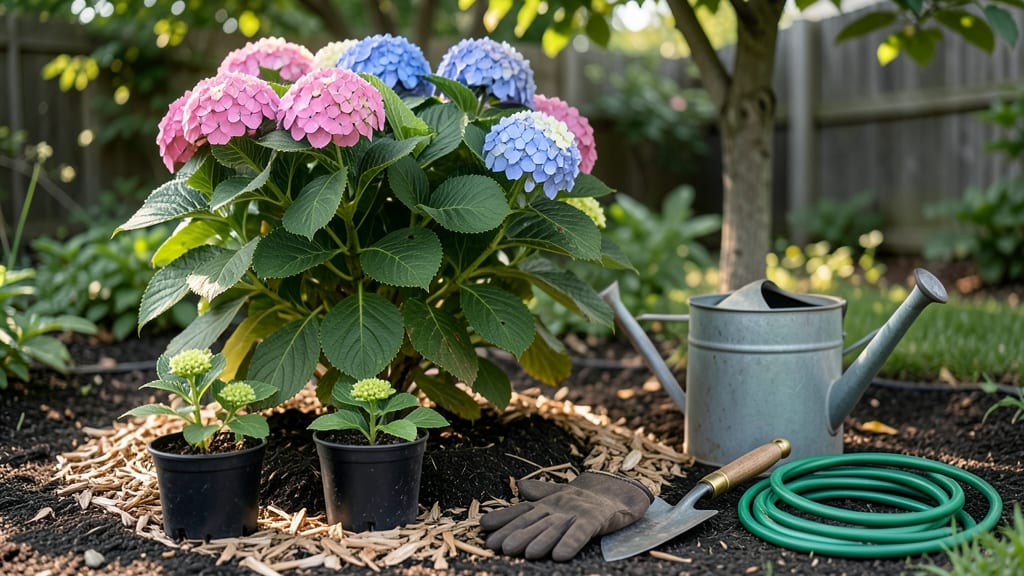
Planting hydrangeas in Massachusetts isn't just about throwing them in the ground—it's about catching that perfect window between frost and summer heat to give your 🌸 shrubs the best shot at stunning blooms.
With last-frost dates creeping as late as mid-April in the Berkshires and unpredictable spring weather, timing can make or break your hydrangea's first season.
You might think all hydrangeas follow the same rules, but Bigleaf varieties need extra protection from late frosts, while Panicle types can handle a little more flexibility.
That's why I've broken down the exact planting calendar for your specific zone—whether you're in Boston's 6a or the cooler 5b hills of the Pioneer Valley.
Let's cut through the guesswork: I'll show you how to prep your soil, adjust for container vs. bare-root plants, and even when fall planting gives you an edge over spring. No more watching your hard work wilt because you planted too early—or too late.
By the end, you'll know exactly when to dig in for zero-failure blooms, plus pro tips to outsmart Massachusetts' most stubborn weather patterns. Ready to transform your garden?
Massachusetts frost-date calendar for planting hydrangeas by hardiness Zone
Massachusetts spans USDA Zones 5a to 6b, meaning frost dates vary dramatically from coastal Cape Cod (Zone 6b) to inland Berkshires (Zone 5a). Planting hydrangeas at the wrong time risks frost damage or stunted growth—especially for Bigleaf varieties, which are frost-sensitive.
Let’s break down the optimal planting windows by zone and season.
Spring is the preferred planting season for hydrangeas in Massachusetts, but fall planting is also possible if done correctly. The key is avoiding late spring frosts (common until May 15 in most zones) and ensuring roots establish before winter dormancy.
For bare-root hydrangeas, timing is critical—plant them as soon as soil is workable, while container-grown plants offer more flexibility.
🌿
| Zone | Last Frost Date | Spring Planting Window | Fall Planting Window | Notes |
|---|---|---|---|---|
| 5a (Berkshires, North Shore) | May 10 | May 15–June 1 | September 1–October 1 | Use frost cloth for early spring; mulch heavily in fall. |
| 5b (Central MA, Worcester) | April 25 | April 30–May 15 | September 15–October 10 | Ideal for Panicle hydrangeas; avoid late May planting. |
| 6a (South Coast, Providence) | April 15 | April 15–May 1 | September 20–October 15 | Best for Bigleaf varieties; water deeply after planting. |
| 6b (Cape Cod, Islands) | April 5 | April 10–April 30 | October 1–October 20 | Longer growing season; can plant as late as May 10. |
In Zone 5a, where late frosts linger until May 10, I recommend waiting until May 15 to plant bare-root hydrangeas. For container-grown plants, you can start as early as April 30 in this zone, but protect them with frost cloth if nights dip below 32°F.
In warmer Zone 6b, you can plant as early as April 10, giving your hydrangeas a head start for summer blooms.
Fall planting is a great alternative for Massachusetts gardeners, especially in Zones 5a and 5b. Plant between September 1 and October 15 to allow roots to establish before winter. Avoid planting after October 15, as new growth won’t harden off before the first frost.
For fall planting, focus on Oakleaf hydrangeas, which are more cold-hardy than Bigleaf varieties.
Pro tip: If you’re unsure about your exact frost date, check the National Weather Service’s climate data for your town or use a frost date calculator. Local nurseries like Wayside Gardens or White Flower Farm also provide tailored advice based on your zip code.
For example, Boston (Zone 6b) typically sees its last frost by April 15, while Springfield (Zone 5b) waits until April 25.
🌡️
Once you’ve nailed down your planting window, prepare your soil with compost and aged manure to improve drainage—a critical factor for hydrangeas, which hate soggy roots. In my experience, amending clay-heavy soils with perlite or sand can make all the difference in preventing root rot.
After planting, mulch heavily with wood chips or straw to retain moisture and regulate soil temperature, especially in Zone 5a, where temperature swings are extreme.
For container-grown hydrangeas,
How to adjust planting timing for Bigleaf vs. panicle vs. Oakleaf hydrangeas
Massachusetts’ three main hydrangea types—bigleaf, panicle, and oakleaf—each have unique frost tolerances and planting windows. Bigleaf hydrangeas (Hydrangea macrophylla) are the most frost-sensitive, while panicle hydrangeas (Hydrangea paniculata) handle late springs best.
Oakleaf hydrangeas (Hydrangea quercifolia) fall in between, making them a great middle-ground choice for MA’s unpredictable climate.
For bigleaf hydrangeas, aim to plant after the last frost (typically mid-May in most of MA) to avoid frost damage to tender new growth. These varieties bloom on old wood, so planting too early can stunt their first-year blooms.
If you’re planting in fall (September-October), choose a milder microclimate like coastal areas or protected garden spots.
Panicle hydrangeas are the hardiest option, thriving even when planted as early as April 15 in zones 6a-6b (Western MA). They bloom on new wood, so early planting encourages robust growth. In colder zones (5a-5b), wait until late April or early May to avoid frost nip. These varieties also tolerate full sun better than others, making them ideal for sunnier MA gardens.
Oakleaf hydrangeas strike a balance, with planting windows mirroring bigleaf hydrangeas but with slightly more frost tolerance. Plant them April 20-May 10 in most of MA, or September 15-October 1 for fall planting. Their exfoliating bark and fall color make them a standout, but they prefer moist, well-draining soil—critical for MA’s heavy clay soils in areas like Worcester.
| Type | Frost Sensitivity | Best Planting Window (MA) | Soil Prep Tip | Sunlight Needs |
|---|---|---|---|---|
| Bigleaf | High (avoid early planting) | Mid-May or Sept-Oct | Add compost for moisture retention | Partial shade (morning sun) |
| Panicle | Low (hardy to 10°F) | April 15-May 10 (earlier in Zone 6b) | Amend clay soil with sand | Full sun to partial shade |
| Oakleaf | Moderate (tolerates light frost) | April 20-May 10 or Sept 15-Oct 1 | Mulch heavily for winter protection | Partial shade (afternoon shade) |
Protect young hydrangeas from late frosts (common in May) by using frost cloth or covering plants with burlap sacks on nights when temps drop below 32°F. For container-grown hydrangeas, delay planting until after May 1—their roots are more vulnerable to cold.
In Western MA’s higher elevations, extend the planting window by 1-2 weeks to account for later frosts.
After planting, prioritize consistent moisture—hydrangeas hate dry soil but also waterlogged roots. In sandy soils (common in Cape Cod), water 2-3x weekly; in clay-heavy soils (Worcester, Springfield), reduce to weekly deep watering. Mulch with 3 inches of shredded bark to retain moisture and regulate soil temperature.