
Plants
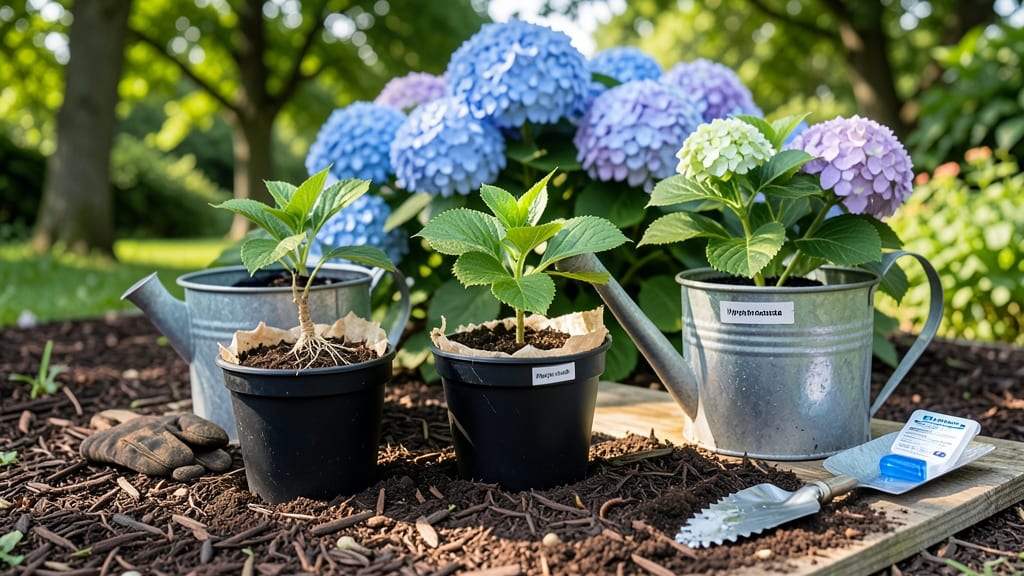
Timing your hydrangea planting in Minnesota could mean the difference between stunning blooms and struggling shrubs. With our short growing season and unpredictable frost dates, knowing when to plant your 🌸 is everything.
Most gardeners in Zones 4a-5b swear by early spring or fall planting—April to May or September to October—but there’s more to it than just picking a month. Soil temperatures, frost risks, and even your hydrangea variety play a role in getting those vibrant clusters off to the right start.
Let me break down the optimal planting windows for Minnesota’s climate, including soil prep tips and how to protect your hydrangeas through our harsh winters. Whether you’re planting in-ground or containers, these insights will help you avoid common mistakes and set your shrubs up for success.
Ready to transform your yard into a hydrangea haven? I’ll walk you through everything you need to know to plant at the perfect time—so you can enjoy those show-stopping blooms for years to come.
Best planting months for hydrangeas in Minnesota Zones 4-5
Minnesota’s USDA Zones 4-5 bring unique challenges for hydrangeas, with short growing seasons and early frosts. Timing your planting right ensures your hydrangeas establish strong roots before winter sets in.
The ideal windows are late April to May for spring planting and September to early October for fall—both offering the best balance of warm soil and cool air.
Spring planting is my top recommendation because it gives hydrangeas 6-8 weeks of growing season before winter. However, fall planting can also work if you choose hardy varieties like Oakleaf or Annabelle and protect them with mulch. The key is avoiding extreme temperature swings, which can shock young roots.
Here’s the breakdown of what to expect in Minnesota’s climate: Last frost dates typically land around mid-May in most regions, while first frosts arrive by mid-October.
Planting too early (before soil warms to 50°F) risks root rot, while planting too late leaves little time for root establishment before winter.
For container-grown hydrangeas, you have a slightly longer window—they can handle transplanting up to 2 weeks later than bare-root plants. This flexibility makes containers ideal for late spring or early fall planting in Minnesota’s unpredictable climate.
🌱 Hydrangea Planting Timeline for Minnesota
| Season | Best Planting Month | Soil Temp Requirement | Frost Risk | Root Establishment Time |
|---|---|---|---|---|
| Spring | Late April - Early May | 50°F+ (10°C+) | Low (after last frost) | 6-8 weeks before winter |
| Fall | September - Early October | 55°F+ (13°C+) | Moderate (before first frost) | 4-6 weeks before winter |
| Container Plants | Late May - Early June | 55°F+ (13°C+) | Low (extended root zone) | 6-8 weeks before winter |
💡 Pro Tip: Test soil temperature with a soil thermometer—hydrangeas thrive when roots can warm up to 60°F+ for active growth.
If you’re in northern Minnesota (Zone 4a), aim for late May planting to avoid early frosts. Southern MN gardeners (Zone 5b) can push fall planting into early October, but stop by October 15th to allow roots to harden off before winter.
Always check your local frost date averages—they can vary by 1-2 weeks yearly.
Another critical factor is soil preparation. Minnesota’s clay-heavy soils drain poorly, which can suffocate hydrangea roots. Amend your planting hole with compost and perlite to improve drainage.
For acid-loving varieties like Bigleaf hydrangeas, mix in sulfur or peat moss to lower the pH to 5.5-6.0—ideal for vibrant blooms.
For container-grown hydrangeas, I recommend planting in late May to give roots time to establish before Minnesota’s short summer ends. Containers also let you move plants to protected spots if early frosts threaten.
Just ensure your container has drainage holes and use a lightweight potting mix to prevent root rot.
One common mistake is planting hydrangeas too deep. The root crown (where roots meet stems) should sit 1 inch above soil level. Planting too deep can cause rot or stunted growth. Mark the crown with a stake or string before backfilling to ensure proper depth.
Finally, mulch heavily after planting—use 3-4 inches of shredded bark or straw to insulate roots. In spring, remove mulch 2-3 inches away from stems to prevent moisture buildup that can cause disease. This simple step makes a huge difference in Minnesota’s freeze-thaw cycles.
With the right timing and care, your hydrangeas will reward you with stunning blooms from summer through fall. Just remember: spring planting is safest, but fall planting works too—if you act early enough!
Best planting months for hydrangeas in Minnesota Zones 4-5
Minnesota’s USDA Zones 4-5 demand precise timing for hydrangeas to thrive. Planting too early risks frost damage, while waiting too late can stunt root growth before winter. The ideal window is late spring or early fall, when soil temperatures hover between 50°F and 60°F—perfect for root establishment.
For spring planting, aim for mid-April to early May, after the last frost date (typically mid-May in most of MN). This gives roots 6-8 weeks to settle before summer heat arrives. Fall planting, however, is equally critical—September to early October allows roots to grow before winter dormancy.
| Planting Season | Best Months | Soil Temp | Key Consideration |
|---|---|---|---|
| Spring | Mid-April to Early May | 50°F–60°F | Avoid frost; water deeply |
| Fall | September to Early October | 50°F–60°F | Mulch heavily; no late pruning |
In northern MN (Zone 4a), push spring planting to late May to avoid late frosts, while southern MN (Zone 5b) gardeners can start as early as early April. Container-grown hydrangeas adapt better to early planting than bare-root varieties, which need soil warmth to thrive.
Pro tip: Test your soil’s pH level (hydrangeas love acidic soil, 5.0–6.0) before planting. Amend with peat moss or sulfur if needed—this step is non-negotiable for vibrant blooms. I always add a 2-inch layer of compost to the planting hole for extra nutrients.
If you miss the ideal window, don’t panic! June planting is still possible, but mulch heavily and water twice weekly to compensate for slower root growth. Just avoid planting after mid-August—new roots won’t harden off before winter.
For container hydrangeas, timing shifts slightly: plant 2–4 weeks earlier than in-ground varieties. Containers dry out faster, so ensure they have drainage holes and move them to a protected spot before first frost (mid-October).