
Plants
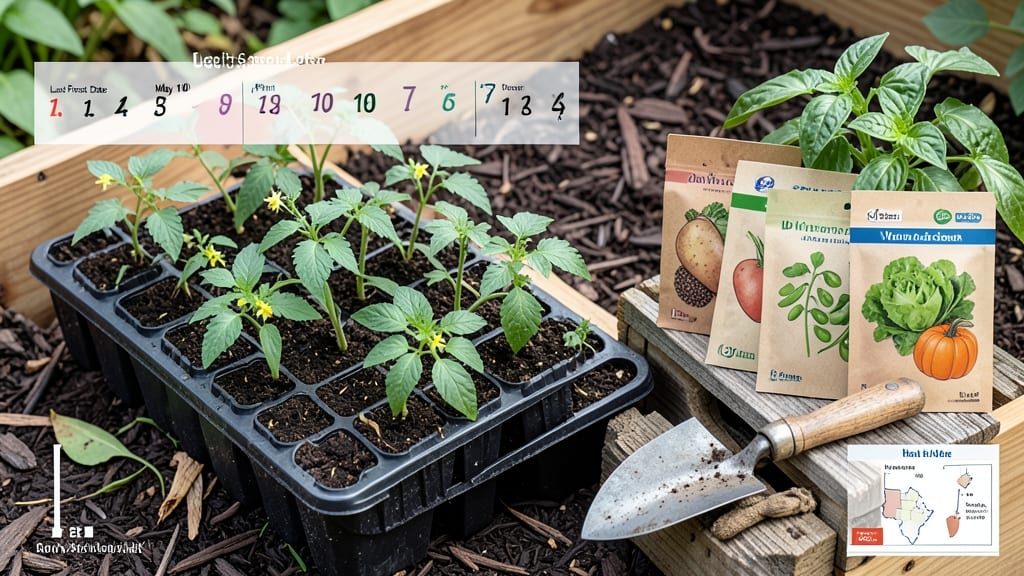
When to plant in Maine isn’t just about checking a calendar—it’s about outsmarting frost, soil temperatures, and Maine’s famously fickle weather. One wrong move, and your 🌱 spring peas could turn into a sad, icy snack instead of a crunchy harvest. But get it right, and you’ll enjoy fresh tomatoes in July and hearty kale straight through October.
Most gardeners in USDA Zones 5-6 know the basics: wait until after the last frost (usually around May 10), but timing varies wildly between coastal Portland and inland Bangor.
The key? Planting cold-hardy veggies like potatoes in early April while saving heat-lovers like basil for late May—after the soil warms to 50°F.
In this guide, I’ll break down exact planting windows for your zone, plus pro tips to stretch your season with row covers or cold frames.
Whether you’re a first-timer or a veteran gardener, these deadlines will help you avoid the #1 Maine gardening mistake: planting too early and losing your crops to frost.
Ready to turn your backyard into a thriving garden? Let’s dive into the frost-free schedule that’ll keep your 🌱 greens growing all season long—no guesswork required.
Maine planting deadlines by USDA zone (2024 frost dates)
Maine spans USDA Zones 4-6, where frost can strike anytime between May and October. The key to success? Planting after the last average frost date—typically May 10-20—and finishing warm-season crops before the first fall frost, usually September 20-October 10.
These dates vary by 1-2 weeks across the state, so check your local microclimate.
For example, Portland (Zone 5b) has a later last frost (May 15) than Presque Isle (Zone 4a), where frost lingers until May 25. Rural areas often experience earlier frosts than coastal cities, thanks to the moderating ocean influence.
Always verify with the Maine Climate Office or Almanac frost maps for real-time adjustments.
Here’s your zone-by-zone breakdown of critical frost dates and planting windows:
| Zone | Last Spring Frost | First Fall Frost | Spring Planting Window | Fall Planting Window |
|---|---|---|---|---|
| Zone 4a (Presque Isle, Caribou) | May 25 | September 20 | June 1 - June 15 | July 15 - August 15 |
| Zone 5a (Bangor, Waterville) | May 15 | September 25 | May 20 - June 10 | July 20 - August 25 |
| Zone 5b (Augusta, Portland) | May 10 | October 5 | May 1 - May 20 | July 25 - September 10 |
| Zone 6a (South Coast: Kittery, York) | April 25 | October 15 | April 15 - May 10 | August 1 - September 15 |
*Dates based on 30-year averages; check local forecasts for adjustments.
Use these dates as your baseline, but always monitor weekly forecasts and soil temperatures. For cold-hardy crops like peas or spinach, you can plant 2-3 weeks earlier than the last frost date.
Meanwhile, warm-season plants (tomatoes, peppers) need soil temps above 60°F—often 2-4 weeks after the last frost.
Pro tip: Heat-loving crops like cucumbers and sweet corn thrive in Maine’s short summer window. Start seeds indoors 6-8 weeks before your last frost date, then transplant after Memorial Day for maximum yield. For perennials, plant in early spring or fall to establish roots before winter.
If you’re in a microclimate (e.g., a sunny hillside or low-lying valley), adjust by ±5-10 days. Urban areas like Portland may have later frosts due to the urban heat island effect, while inland spots like Waterville can see earlier frosts.
Always err on the side of caution—a single late frost can wipe out tender seedlings in days.
For real-time updates, bookmark the Maine Agricultural Weather Network or use the Almanac’s frost predictor tool. These resources provide hyperlocal adjustments based on current conditions, not just averages.
With the right timing, you can double your harvest by planting early spring crops (like lettuce) and late summer succession crops (like radishes).
Remember: Frost dates shift yearly. If you planted tomatoes on May 10 last year and they survived, don’t assume the same this year—climate variability is Maine’s reality. Plan for flexibility, and your garden will reward you with abundance, not disappointment. 🌱
Best planting times for Maine’s top crops (vegetables, flowers, herbs)
Maine’s short growing season demands precision—planting at the wrong time can mean lost harvests or stunted growth. For cold-hardy crops like kale and peas, start seeds indoors 4-6 weeks before your last frost date (typically mid-April).
Warm-season plants like tomatoes and cucumbers need to wait until soil temperatures hit 55°F or warmer, usually late May or early June.
Succession planting is your secret weapon in Maine. By staggering lettuce, radishes, and beans every 2-3 weeks, you’ll enjoy a continuous harvest instead of one big bounty. For example, plant bush beans every 10 days from June to July to keep your kitchen stocked all summer.
Herbs like parsley and cilantro thrive in Maine’s cool climate, but basil and oregano prefer warmer conditions. Start basil indoors in early April and transplant after the last frost, while hardy oregano can handle direct outdoor planting in May.
🌱
- 🌱 Early Spring (March-April): Peas, spinach, onions, potatoes, kale, lettuce, rhubarb
- 🌿 Late Spring (May): Carrots, beets, radishes, cabbage, broccoli, herbs (parsley, cilantro), strawberries
- ☀️ Early Summer (June): Tomatoes, peppers, cucumbers, squash, beans, basil, marigolds, sunflowers
- 🌻 Mid-Summer (July): Succession plant lettuce, radishes, beans; transplant fall crops like kale and Brussels sprouts
- 🍂 Late Summer (August): Garlic, onions, broccoli, cabbage, carrots, peas (for fall harvest)
Perennials like asparagus and rhubarb reward patience—plant crowns in early spring (April) or fall (September) for roots to establish before winter. Avoid transplanting strawberries in fall, as new roots won’t have time to anchor before frost.
For flowers like zinnias and marigolds, direct-sow seeds after the last frost (mid-May) for vibrant summer blooms. Deadhead spent blooms to encourage continuous flowering until frost, typically late September in most of Maine.
Don’t forget fall planting! Hardy crops like spinach, kale, and carrots thrive when sown in August for harvest before winter. Use black plastic mulch to warm soil and jumpstart spring planting by 1-2 weeks.
🌿 Adjust these timelines based on your microclimate. Coastal areas (like Portland) have 2-3 weeks earlier frost dates than inland zones (like Presque Isle). Always check local frost predictions from the Maine State Climate Office for real-time adjustments.