
Plants
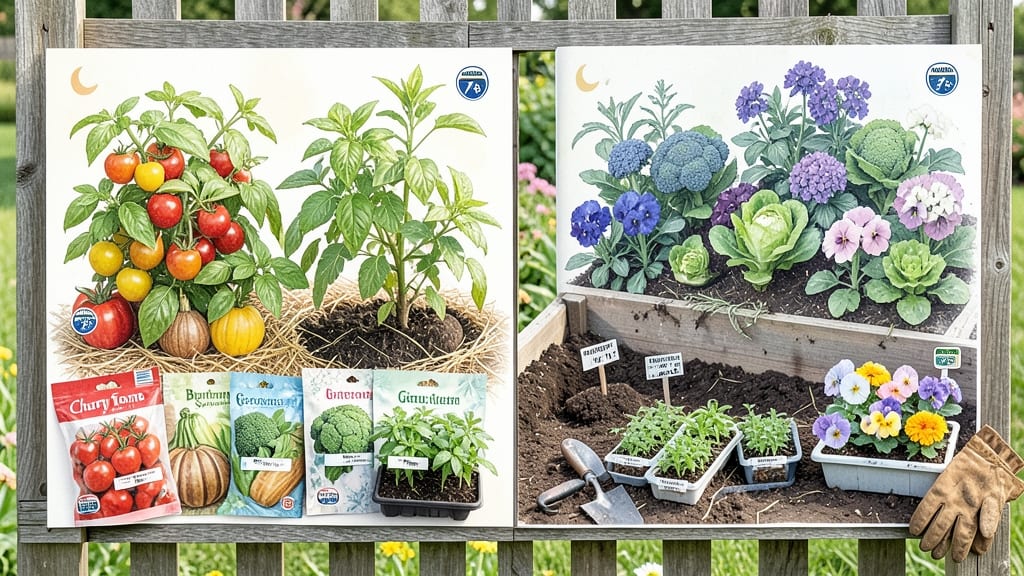
Timing your when to plant in North Carolina isn't just about following a calendar—it's about mastering the art of working with your region's unique microclimates.
From the coastal plains to the mountain valleys, your garden's success hinges on understanding last frost dates that can shift by weeks between Raleigh and Asheville.
Most gardeners in USDA zones 6a-8b know the basics: cool-season crops like broccoli should hit the soil 4-6 weeks before the last expected frost, while tomatoes and peppers need to wait 2-3 weeks after.
But here's the catch: those deadlines aren't one-size-fits-all. A single miscalculation could mean wilted seedlings or stunted harvests.
In this guide, I'll break down the exact planting windows for your favorite vegetables and flowers, plus pro tips to extend your growing season without breaking the bank. Whether you're a beginner or a seasoned gardener, these insights will help you maximize yields and avoid common pitfalls.
Ready to transform your North Carolina garden from "maybe next year" to "this summer's bounty"? Let's dive into the science—and the secrets—that make all the difference.
North Carolina planting zones & frost-free date maps by region
North Carolina spans USDA Hardiness Zones 7a to 8b, creating dramatic differences in planting timelines. Coastal areas like Wilmington enjoy earlier last frosts (mid-March), while mountain towns like Boone face late frosts until early April.
These variations mean your tomato seeds might go in March on the coast but wait until April in the mountains.
To navigate this, I’ve broken down the key frost dates by region. Use these as your planting anchors—cool-season crops like broccoli need 4-6 weeks before last frost, while warm-season peppers can’t handle soil below 60°F. My rule? Wait 2-3 weeks after last frost for heat-lovers like basil.
Here’s how to find your exact zone: Check the NC State Extension’s interactive map or use the summary table below. Pro tip: Urban areas like Raleigh can be 5°F warmer than rural spots due to heat islands. Adjust your timeline accordingly!
🌱
| Region | USDA Zone | Last Frost (Avg.) | First Frost (Avg.) | Frost-Free Days |
|---|---|---|---|---|
| Coastal Plain (Wilmington) | 8a-8b | Mid-March | Late Nov | 240+ days |
| Piedmont (Raleigh/Charlotte) | 7b-8a | Early April | Mid-Oct | 190-210 days |
| Mountains (Asheville/Boone) | 6b-7a | Early April | Early Nov | 165-185 days |
Microclimates matter! A south-facing slope in the mountains warms up 2-3 weeks earlier than a valley. I’ve seen zucchini sprouts in Boone by May 1, while valley gardens wait until May 15. Observe your yard: Low spots freeze later, and rocky areas warm faster.
For perennials like lavender, plant in early spring (March-April) once soil is workable. But annuals like marigolds can handle direct sowing 2 weeks after last frost. My trick? Test soil temp with a thermometer—60°F+ for warm crops, 40°F+ for cool crops.
Don’t forget fall planting! Coastal areas can direct-sow spinach in October, while mountain gardens wait until September. Use the first frost dates above to calculate your fall harvest window. For example, if frost hits Nov 15, plant fast-maturing radishes by Oct 1.
🌿
Need a quick reference? Bookmark this: Coastal NC = March 15 last frost, Piedmont = April 1, Mountains = April 15. Start seeds indoors 6-8 weeks before these dates for tomatoes, peppers, and eggplants. For direct-sown crops like beans, wait until soil is consistently 65°F+.
Pro move: Plant a "frost watch garden"—sow a few bush beans or radishes every 2 weeks starting in March. The first successful batch tells you your true last frost date. I’ve adjusted my timeline by 10 days using this method!
Crop-specific planting calendar: when to start seeds indoors vs. direct-sow outdoors
North Carolina’s diverse microclimates mean your tomato seeds might need indoor starts in February in the mountains, while coastal gardeners can direct-sow spinach as early as late January.
Timing is everything—plant too soon, and frost zaps seedlings; too late, and you miss peak harvests. Let’s break it down by crop type and region-specific rules.
For cool-season crops like kale and broccoli, start seeds indoors 6-8 weeks before your last frost date. In Zone 7a (e.g., Asheville), that’s mid-February for indoor starts, with outdoor transplants by late March.
Coastal Zone 8a gardeners (e.g., Wilmington) can direct-sow these greens as early as January—but watch for unpredictable coastal frosts.
| Crop Type | Indoor Start (Weeks Before Last Frost) | Direct-Sow Outdoors (After Last Frost) | Soil Temp Requirement (°F) |
|---|---|---|---|
| Cool-Season Veggies (kale, broccoli, peas) | 6-8 weeks | 2-3 weeks after last frost | 40-50°F |
| Warm-Season Veggies (tomatoes, peppers, cucumbers) | 8-10 weeks | 2 weeks after last frost | 60-70°F |
| Herbs (basil, cilantro) | 4-6 weeks (basil) | After last frost (cilantro tolerates cool soil) | 50-60°F |
| Flowers (marigolds, zinnias) | 4-6 weeks | After last frost | 55-65°F |
Warm-season staples like tomatoes and peppers need 8-10 weeks of indoor head starts in Zone 7a (e.g., Boone) to hit the May 15 transplant window. In Zone 8b (e.g., Raleigh), you can direct-sow these after April 15—but only if your soil stays above 60°F.
Use a soil thermometer to check; cold soil stunts growth.
Don’t fall for moon-phase myths—science shows planting success hinges on soil temperature and daylight hours, not lunar cycles. For example, squash and beans thrive when soil hits 65°F, regardless of the moon. Focus instead on transplanting after the last frost and watering deeply to establish roots.
Pro tip: Use NC State Extension’s frost date maps to pinpoint your exact last frost window. For instance, Mountain regions (e.g., Asheville) average April 15 last frosts, while coastal areas (e.g., Morehead City) may see March 1 dates. Adjust your calendar accordingly!
For perennials like lavender or strawberries, plant in early spring (March-April) or fall (September-October) to give roots time to establish before extreme heat or cold. Fall planting is ideal for Zone 7a gardeners—avoid summer heat stress by getting plants in the ground by September 1.