
Plants
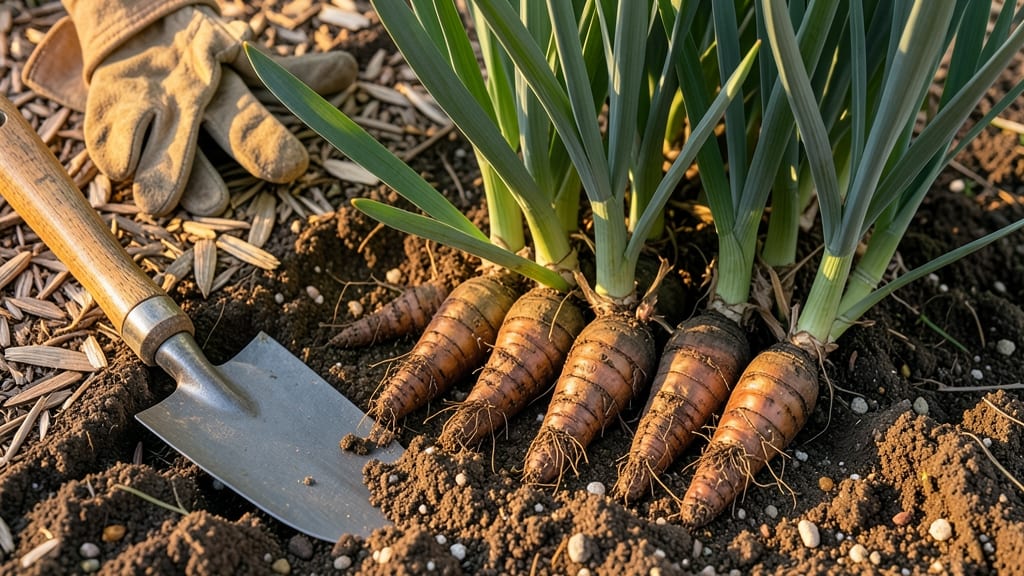
If you’ve ever wondered when to plant iris bulbs in Indiana without risking frost damage, the answer lies in a narrow but perfect fall window—one that’s all about timing your rhizomes just right for zero-frost success.
Indiana’s unpredictable chill can turn a missed planting date into a wasted season, but with the right strategy, your 🌸 irises will thrive year after year.
Most gardeners assume spring is the only option, but fall planting is actually the game-changer for Indiana’s USDA Zone 6a climate. By planting between late August and early October, you give your iris rhizomes time to establish roots before winter—without the stress of early frosts or soggy soil.
This is how you skip the guesswork and guarantee vibrant blooms by next spring.
Here’s the secret: The ideal window aligns with soil temperatures dropping below 60°F but before the ground freezes solid. That means no more second-guessing whether your irises will survive the winter or bolt too early.
I’ll walk you through the exact steps, from soil prep to planting depth, so you can nail it the first time.
Ready to transform your garden? Let’s dive into the perfect fall planting schedule tailored for Indiana’s frost dates—and why skipping spring planting entirely could save you headaches down the road.
Indiana’s ideal fall planting window for iris bulbs (by Zone)
Indiana’s USDA zones 5-6 create a narrow window for iris bulb planting—too early and roots rot in cold soil, too late and they won’t establish before winter.
The perfect fall window is when soil temps drop to 60°F (15°C) but before first frost, typically mid-September to early October in most of the state.
Northern Indiana (Zone 5) gardeners should aim for late September planting, while southern areas (Zone 6) have flexibility until mid-October. This timing lets rhizomes settle before winter dormancy while avoiding spring planting risks like premature sprouting or fungal diseases from wet soil.
Iris rhizomes (often called "bulbs" incorrectly) need 6-8 weeks to establish roots before winter. Planting too early in August risks rot in warm soil, while waiting until November leaves them vulnerable to frost damage. Use Indiana’s average first frost dates (mid-October in north, late October in south) as your cutoff.
Here’s how to check soil readiness: Insert a soil thermometer 4 inches deep—ideal temps are 50-60°F (10-15°C). If temps are rising above 60°F, wait 1-2 weeks. Clay-heavy Indiana soils cool slower, so monitor closely in these areas.
Pro tip: Plant iris rhizomes with the top half exposed and pointy end up. This prevents rot while allowing sunlight to dry the crown. Space them 12-24 inches apart in well-draining soil amended with compost to improve drainage.
| Zone | Ideal Planting Window | Soil Temp Threshold | Key Landmark |
|---|---|---|---|
| 5 (Northern IN) | Mid-September to early October | 50-60°F (10-15°C) | After daylilies bloom |
| 6 (Southern IN) | Late September to mid-October | 55-65°F (13-18°C) | Before monarch butterflies migrate |
| Both Zones | Avoid planting after October 15 | Above 40°F (4°C) | Before first frost |
Indiana’s climate variability means checking local frost dates is crucial. Use the National Weather Service or Indiana State Climate Office for your county’s 10-year averages. For example, Gary (Zone 6) averages first frost on October 18, while South Bend (Zone 5) sees frost by October 10.
If you miss fall planting, iris rhizomes can survive spring planting (April-May) but risk bolting (rapid flowering) or pests like iris borers. For spring planting, soak rhizomes for 24 hours and plant immediately to reduce stress.
However, fall-planted irises establish 30% stronger roots and bloom 2 weeks earlier the following year.
Mulch newly planted iris with 2-3 inches of straw after planting to protect roots from temperature swings. Remove mulch in early spring to prevent rot. In clay-heavy soils, add sand or perlite to improve drainage—Indiana’s wet springs can drown iris rhizomes if soil doesn’t drain properly.
Remember: Iris rhizomes are not true bulbs—they’re thickened stems that need air circulation to prevent rot. Planting them too deep or in compacted soil suffocates them. For zero-frost success, aim for 6-8 weeks of root growth before winter sets in.
For a visual reminder, mark your calendar for the full moon in September—this aligns with Indiana’s ideal planting window in most years. Combine this with soil checks, and your iris will reward you with bold blooms next spring.
Indiana’s ideal fall planting window for iris bulbs (by Zone)
Planting iris bulbs—or more accurately, rhizomes—in Indiana requires precise timing to avoid winter damage or premature sprouting. Since Indiana spans USDA Zones 5-6, your exact planting window depends on whether you're in northern or southern regions.
The goal is to plant 6-8 weeks before the first frost, allowing roots to establish before winter dormancy.
For most of Indiana, this means aiming for late August to mid-October. However, gardeners in Zone 5 (northwest Indiana) should plant earlier—by early to mid-September—to account for earlier frosts.
In Zone 6 (southern Indiana), you can extend planting until early November if soil temperatures remain above 50°F (10°C).
Soil temperature is your best guide: Iris rhizomes thrive when soil is between 50°F and 60°F (10°C-15°C). Use a soil thermometer to confirm—planting too early in warm soil can trigger premature sprouting, while waiting too long risks frost damage before roots anchor.
🌱 Indiana Iris Planting Schedule by Zone
| Zone | Ideal Planting Window | Soil Temp Threshold | Key Landmark |
|---|---|---|---|
| Zone 5 (Northern IN) | Early to mid-September | 50°F–60°F (10°C–15°C) | After summer blooms fade |
| Zone 6 (Southern IN) | Late August–early November | 50°F–60°F (10°C–15°C) | Before first frost (Oct 15) |
| All Zones | Avoid planting after October 15 | Never below 40°F (4°C) | Soil must stay frost-free |
⚠️ Pro Tip: Mulch with 2–3 inches of straw after planting to insulate rhizomes during winter.
Missed the fall window? Spring planting is possible in Indiana, but it’s riskier. Plant as soon as soil is workable (March–April), but expect delayed blooms that year. Spring-planted irises need extra care to establish roots before summer heat sets in.
For zero-frost success, pair your planting date with well-draining soil and a sunny location. Iris rhizomes rot in soggy conditions, so amend heavy Indiana clay with compost or sand if needed. Plant with the top half exposed—this prevents decay and encourages strong root growth.
Timing isn’t just about the calendar—it’s about reading your garden’s cues. Watch for leaf drop in nearby trees (a sign of cooling soil) and avoid planting when nighttime temps dip below 50°F (10°C). With the right window, your irises will reward you with bold blooms next spring.