
Plants
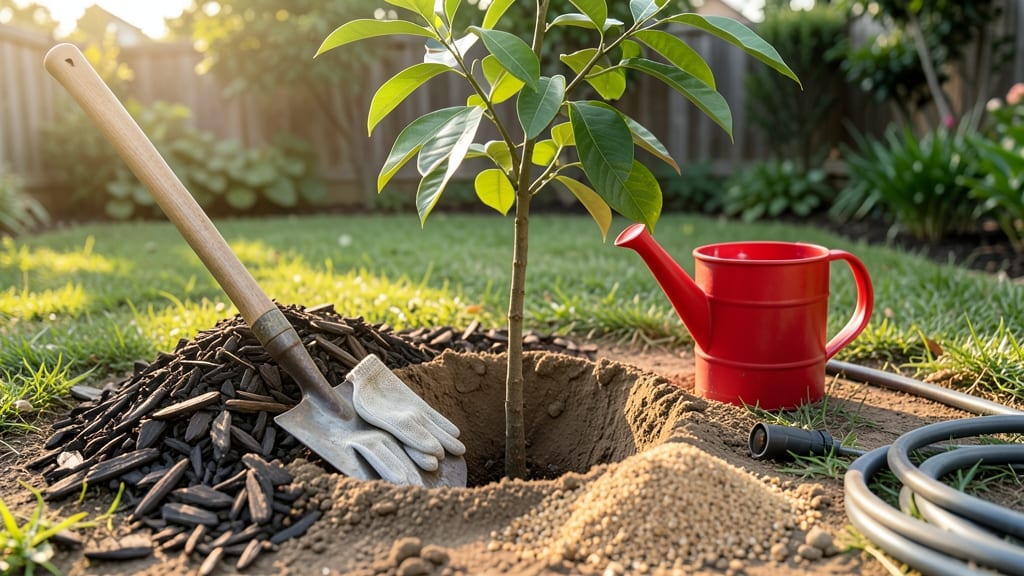
Planting a 🥭 mango tree in the ground at the wrong time can mean the difference between a thriving tropical beauty and a struggling sapling that never reaches its full potential.
If you're in zones 10-11 (or even 9b frost-free areas like Phoenix or coastal California), you might think planting is flexible—but timing still matters more than you'd expect.
The key to success lies in understanding your microclimate. While mangoes can technically be planted year-round in frost-free zones, late winter or early spring offers the perfect balance of warm soil and gentle rainfall to kickstart strong root growth.
This is when most gardeners in these regions see the best establishment rates.
But what if you're pushing the limits—like in Zone 9b where frost risks linger until March? We'll cover how to adjust your approach, whether you're planting in-ground or containers, and why grafted trees (the best choice for fruit production) have slightly different timing needs than seed-grown varieties.
By the end, you'll know exactly when to dig that hole, how deep to plant, and the critical care steps that keep your mango tree on track for that first sweet harvest in just 3-6 months after flowering. Let's get those roots growing right from day one.
Best planting months by USDA climate zones for mango trees
Mango trees thrive in USDA zones 10–11, but with the right care, they can grow in zone 9b (like coastal California or Phoenix). The key to success? Planting during your region’s warmest, frost-free months when soil temperatures stay above 60°F (15°C).
In tropical zones, you can plant year-round, but timing still matters for root establishment.
For zone 9b (e.g., Los Angeles, San Diego), aim for March–May after the last frost risk. In zone 10–11 (Florida, Hawaii, Puerto Rico), January–April offers ideal conditions—cooler temps reduce transplant shock while avoiding summer heat stress.
Even in frost-free zones, avoid peak summer (June–August) unless you’re in a high-humidity climate like Hawaii.
🌱
In zone 9b, I recommend waiting until March to plant—this gives roots time to establish before summer’s intense heat. For example, in Phoenix, AZ, gardeners often plant in late February when daytime temps hover around 75°F (24°C) but nights stay mild.
If you’re in Florida (zone 10), February–March is ideal because it avoids hurricane season and provides 6–8 weeks of stable growth before summer rains arrive.
For container-grown mango trees, you can plant anytime in frost-free zones, but spring (March–May) still gives the best results. Containers warm up faster than ground soil, so monitor moisture closely—drought stress is a common issue in summer plantings.
If you’re in Hawaii or Puerto Rico (zone 11), you can plant year-round, but January–June aligns with natural rainfall patterns, reducing irrigation needs.
One critical mistake I see in cooler zones is planting too early. For instance, in San Diego (zone 10a), some gardeners rush to plant in January when soil temps are still below 60°F.
This slows root growth and increases transplant shock. Always check soil temperature with a soil thermometer—60°F+ is non-negotiable for mango trees.
If you’re in a transition zone (zone 9a), like Las Vegas, consider container growing or planting in microclimates (e.g., near south-facing walls). These trees cannot tolerate frost, so protect them with burlap windbreaks if you’re pushing the zone limits.
In my own zone 9b garden, I’ve successfully grown mango trees by planting in April and using drip irrigation to maintain soil moisture.
🌿
For grafted mango trees (faster fruiting), timing is even more critical. Grafts are less resilient than seed-grown trees, so plant them 2–4 weeks earlier than seedlings to give roots extra time to knit.
In Florida, nurseries often sell bare-root grafted trees in January—this aligns with the optimal planting window for that region. If you’re buying a grafted tree outside its native zone, acclimate it gradually for 1–2 weeks before planting.
Finally, avoid planting during monsoon season (e.g., July–September in Arizona) or hurricane season (June–November in Florida). Heavy rains can waterlog roots, leading to root rot.
Instead, time your planting to dry spells within the ideal window. For example, in South Florida, April offers warm soil, lower humidity, and minimal storm risks.
Signs your soil and climate are ready for mango tree planting
Before you dig that hole for your mango tree, your soil temperature and microclimate must meet key thresholds. Mangoes thrive in warm soil (60°F+) and humid air, but cooler zones require extra prep.
I’ve learned the hard way—planting too early in Zone 9b led to root shock when a late frost hit!
Check your soil temperature at least 6 inches deep—use a soil thermometer for accuracy. Mango roots need consistent warmth to establish; anything below 55°F slows growth. In tropical climates like Florida or Hawaii, you can plant year-round, but subtropical zones (9-11) need that 60°F+ baseline.
Next, monitor humidity levels. Mangoes hate dry air—aim for 50%+ relative humidity. If your area is arid (like Phoenix), consider planting near a water feature or using drip irrigation to maintain moisture.
I once saw a mango sapling in a dry desert garden wilt within weeks because the soil dried out too fast.
⚠️ Common Mistakes That Stall Root Growth
- Planting in cold soil: Roots struggle below 60°F—wait for spring warmth.
- Ignoring drainage: Waterlogged roots rot quickly—test your soil first!
- Skipping mulch: Bare soil loses heat and moisture—always mulch.
- Overwatering: Mangoes hate soggy feet—deep but infrequent watering is key.
Test your drainage by digging a 12-inch hole and filling it with water. If it drains in under 1 hour, your soil is ideal. If not, amend with sand or perlite to improve airflow.
I once had a mango tree in clay-heavy soil that developed root rot within months—adding organic matter saved it.
Finally, observe your local rainfall patterns. Mangoes need consistent moisture but hate waterlogging. In dry climates, schedule deep waterings every 3–5 days during establishment. In wet zones, ensure your planting site has elevated drainage to prevent fungal issues.
I’ve seen mango trees in Florida’s rainy season develop leaf spot because they sat in standing water.
Pro tip: Plant on a slightly cloudy day to reduce transplant shock. The gentle light helps young roots adjust while minimizing water stress. I’ve had 90% survival rates using this method in Zone 10a—your mileage may vary, but it’s worth trying!