
Plants
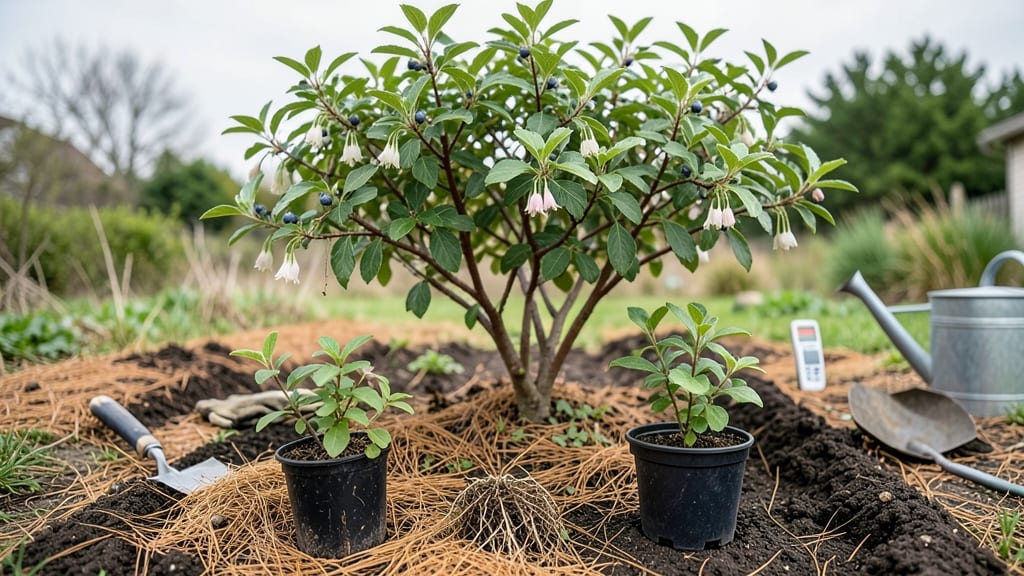
If you’re dreaming of a backyard full of juicy 🫐 blueberries in Zone 9, timing your planting is the key to success—or failure. Planting too early risks frost damage, while waiting too long can leave your bushes struggling in summer heat.
The secret lies in understanding your microclimate, not just the calendar.
Most guides tell you to plant in spring, but in Zone 9, that’s not always the safest bet. Late fall to early spring—specifically November through March—gives your blueberries the best chance to establish roots before summer’s intensity.
But here’s the catch: your local frost patterns might not match the general Zone 9 rules.
I’ll show you how to read your microclimate like a pro—whether you’re coastal or inland—to pick the perfect window. You’ll learn which varieties handle Zone 9’s heat best, how to prep your soil for acidic-loving 🫐 blueberries, and when to avoid planting altogether.
No more guesswork, just a foolproof plan for thriving bushes.
Ready to turn your blueberry dreams into reality? Let’s dive into the exact steps to plant at the right time, every time—so you’re harvesting sweet, plump berries by next spring.

Optimal planting windows for Zone 9 blueberries (with microclimate adjustments)
Zone 9’s warm climate makes blueberries a great choice—but timing is everything. Unlike cooler zones, Zone 9’s frost-free windows are narrow, and planting too early or late can stress young bushes.
The ideal window spans February through April, but your exact timing depends on whether you’re in a coastal microclimate (like San Diego) or an inland valley (like Phoenix).
Coastal areas enjoy milder winters with rare frost, allowing late winter planting (March-April). Inland zones, however, face hidden frost pockets even in Zone 9, so aim for early spring (February-March) to avoid late-season cold snaps.
Always check your local frost-free date—most Zone 9 regions have their last frost around January 15, but elevation shifts this dramatically.
Soil temperature is the real trigger for planting. Blueberries need 60°F soil to root successfully. In Zone 9, this typically happens by mid-February in coastal areas but can wait until late March inland. Use a soil thermometer to confirm—planting too early in cold soil stunts growth.
| Microclimate | Best Planting Window | Soil Temp Trigger | Frost Risk |
|---|---|---|---|
| Coastal (e.g., San Diego, LA) | March–April | 60°F+ (mid-Feb) | Low (rare frost) |
| Inland Valley (e.g., Phoenix, Riverside) | February–March | 60°F+ (late March) | Moderate (frost pockets) |
| Desert (e.g., Palm Springs) | January–February | 55°F+ (Jan) | High (cold nights) |
🌱 Pro Tip: Coastal areas can plant later, but inland zones need early starts to avoid heat stress.
If you miss the spring window, fall planting (November) is a backup—but only in coastal Zone 9. Inland areas should avoid fall planting due to winter cold snaps.
Young blueberries are extremely frost-sensitive, and even 28°F temperatures can kill them. Always choose cold-hardy varieties like ‘Misty’ or ‘O’Neal’ for Zone 9.
Another key factor is moisture availability. Zone 9’s dry summers mean blueberries need consistent watering from day one. Plant during cooler, wetter months (February-April) to reduce transplant shock. Mulch heavily with pine bark or wood chips to retain moisture and regulate soil temperature.
Never plant blueberries in summer or late spring—the intense Zone 9 heat stresses young roots. If you’re in a high-elevation microclimate (e.g., 3,000+ ft), shift planting to early spring (January-February) to avoid late frosts.
Use a frost watch tool like the National Weather Service’s alerts to time your planting perfectly.
For container growing in Zone 9, plant anytime soil temps are stable (March-April). Containers warm faster than ground soil, so adjust watering to prevent drying. Dwarf varieties like ‘Top Hat’ thrive in pots and can be moved to shadier spots in summer to avoid heat stress.
Remember: Zone 9’s success hinges on microclimates. A neighbor’s perfect timing might fail in your yard. Test your soil’s pH (4.5–5.5) and drainage before planting—blueberries hate soggy roots. Amend clay soil with sand and peat moss to improve aeration.
Once planted, protect young bushes with frost cloth if late frosts are forecast. Inland Zone 9 gardeners should have a backup plan for unexpected cold snaps. With the right timing, your blueberries will fruit heavily in 2–3 years—but rush it, and you’ll fight for survival.
How to outsmart Zone 9’s hidden frost risks before planting
Zone 9’s warm reputation hides microclimate frost pockets that can kill young blueberry bushes overnight. Unlike northern zones, frost here isn’t seasonal—it’s localized and unpredictable. I’ve seen 30°F dips in inland valleys while coastal areas stayed frost-free, even in December. The key? Site-specific prep before you plant.
Start by checking your last frost date—not the USDA average. Local weather stations or neighborhood gardeners often know better than generic zone data. For example, Palm Springs rarely drops below 40°F, while San Bernardino can hit 28°F in winter lows.
Plant too early in high-risk areas, and your $25 bush becomes a frozen statistic.
❄️ Low-lying areas (cold air sinks)
🌬️ Windward slopes (wind funnels cold air)
🌳 Dense tree clusters (traps radiant frost)
🏡 Urban heat islands (can create false "safe" zones)
✅ Solution: Test your spot with a minimum thermometer for 30 days before planting.
Choose cold-hardy varieties like ‘Misty’ (tolerates 15°F) or ‘O’Neal’ (20°F). Southern highbush types (e.g., ‘Southern Highbush’) handle 20-25°F but struggle below. If your area dips lower, opt for raised beds—they warm 5-10°F faster than ground soil.
Adjust planting dates by elevation: Every 1,000 feet up adds 3-5°F colder nights. Plant at 3,000 feet? Wait until mid-April instead of February. Coastal gardeners can plant as early as late January, but inland areas should wait until March 15th to avoid late-winter frost.
Mulch with 6 inches of pine straw or wood chips—this insulates roots by 10°F during cold snaps. Add a frost cloth for the first 4 weeks after planting. I’ve seen unprotected bushes lose 70% of new growth in a single night when temps dropped to 28°F.
Monitor soil temperature with a probe—blueberries need 60°F+ soil to root. If your ground stays below 55°F past March 1st, delay planting until April 15th. Use black plastic mulch to warm soil 5-8°F faster if needed. Patience here prevents root rot from cold, soggy soil.
Pro tip: Plant blueberries near a south-facing wall—it adds 2-3°F warmth and delays frost formation. Pair with drought-tolerant ground cover like creeping thyme to reduce soil temp swings. With these tweaks, your Zone 9 blueberries will outlive the frost—not the other way around. 🌱