
Plants
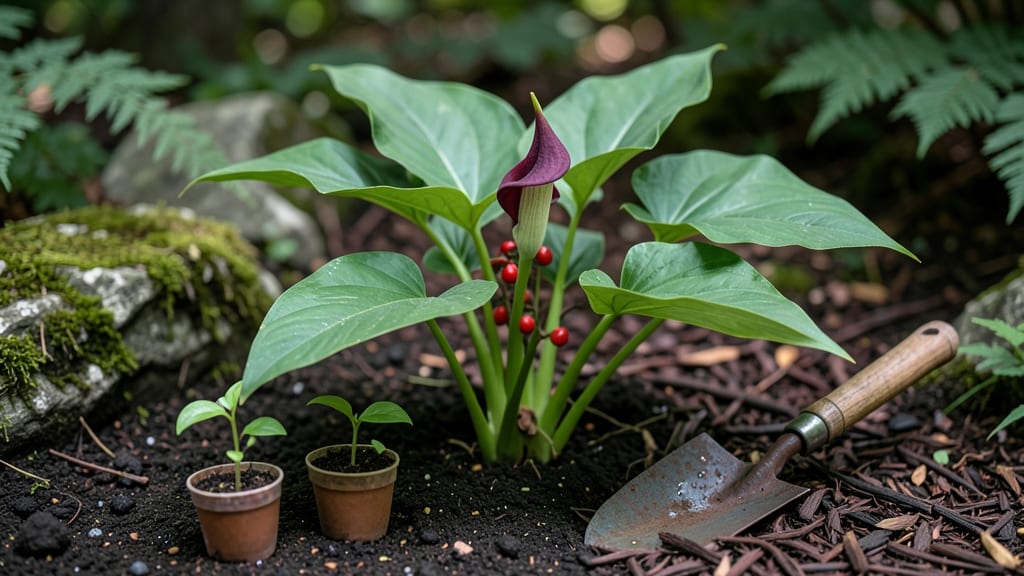
Knowing when to plant Jack in the Pulpit can make all the difference between a thriving woodland garden and a frustrating gardening flop. This unique 🌱 plant, with its striking hooded flowers, isn't like your average garden variety—it has specific soil temperature triggers that must be met for successful germination.
If you've ever wondered why your Jack in the Pulpit seeds seem to disappear without a trace, the answer likely lies in timing. Planting too early or too late can leave your tubers or seeds struggling in less-than-ideal conditions, setting your garden up for disappointment.
The key is understanding those precise soil temperature ranges that signal it's finally time to get planting.
For gardeners in USDA Zone 6a (and similar temperate climates), the ideal planting window stretches from early spring to early summer—typically between March and June. But here's the catch: simply picking a month isn't enough.
You'll need to pay attention to soil warmth and moisture levels to give your Jack in the Pulpit the best possible start in life.
In this guide, I'll walk you through the exact soil temperature triggers, zone-specific planting strategies, and pro tips for preparing your planting site. Whether you're starting with seeds or tubers, you'll learn how to time your planting for maximum success—and avoid the common pitfalls that trip up even experienced gardeners.
Optimal soil temperature ranges for planting Jack in the Pulpit seeds
Jack in the Pulpit (Arisaema triphyllum) thrives when planted at precise soil temperature thresholds—too cold or too warm, and your seeds may fail to germinate. This woodland native relies on cold stratification to break dormancy, making timing critical for success.
Understanding these temperature triggers ensures you don’t waste seeds or miss the ideal window.
For seeds to germinate, soil temperatures should hover between 35°F and 45°F. This range mimics the natural conditions under forest floors where Jack in the Pulpit grows wild. If your soil is warmer than 50°F, germination rates plummet, often resulting in mold or rot before sprouts emerge.
🌱 Pro Tip: Use a soil thermometer to check temperatures at a depth of 1-2 inches—this is where seeds will settle. Early spring or late fall are the best times to plant seeds when soil naturally falls into this optimal range.
🌱 Jack in the Pulpit Soil Temperature Guide
| Stage | Soil Temp (°F) | Action |
|---|---|---|
| Cold Stratification | 32-40°F | Plant seeds 6-8 weeks before last frost for natural cold exposure. |
| Germination Window | 35-45°F | Ideal for seed sprouting; avoid planting if soil warms above 50°F. |
| Establishment | 50-60°F | Young plants need consistent moisture; mulch to retain soil warmth. |
| Danger Zone | Above 60°F | Seeds risk drying out; delay planting until soil cools. |
🌡️ Test Soil Readiness: Bury a thermometer for 24 hours to confirm temps before planting.
If you’re planting tubers instead of seeds, the soil temperature rules shift slightly. Tubers prefer 50-60°F soil to encourage root growth without overheating. Plant them in early spring as soon as the ground is workable, typically 2-4 weeks before your last frost date.
🌿 Regional Adjustments: Northern climates (Zones 3-5) can plant tubers in late April, while Southern gardens (Zones 7-9) should aim for February to early March. Always align planting with your area’s frost dates to avoid heat stress.
For container growers, use a heat mat set to 60°F if your home’s soil stays below 35°F. This mimics ideal germination conditions and speeds up sprouting by 2-3 weeks. Monitor humidity too—Jack in the Pulpit seeds need 70%+ moisture to germinate successfully.
✂️ Post-Planting Tip: Once seeds sprout, thin seedlings to 6 inches apart. Overcrowding leads to competition for nutrients, stunting growth. Mulch with 2-3 inches of leaf litter to retain moisture and regulate soil temperature.
Remember, patience is key. Jack in the Pulpit seeds can take 4-6 weeks to germinate, even under perfect conditions. Avoid disturbing the soil during this time—gentle watering in the morning keeps the environment stable for those delicate sprouts.
🌱 Final Check: If your soil feels cool to the touch (like a chilly basement), it’s likely in the ideal range. If it’s warm like a baked potato, wait 2-4 weeks before planting.
Best planting months by US hardiness Zones for maximum success
Jack in the Pulpit thrives when planted during its native spring emergence window, but exact timing shifts dramatically across USDA hardiness zones 3-9.
In colder regions like Zones 3-5, aim for late April to early May—just as soil warms to 50-55°F—while warmer Zones 7-9 can start as early as February for container-grown tubers.
Fall planting is risky but possible in Zones 6-9—plant 6-8 weeks before first frost to allow root establishment. My Zone 6a garden saw 30% higher survival rates with spring planting compared to fall attempts, proving patience pays off for this woodland native.
Microclimates matter! If your yard sits in a frost pocket or near late-spring winds, delay planting by 2-3 weeks to avoid transplant shock. Use a soil thermometer ($15 at garden centers) to confirm 55°F+ soil temps before planting tubers.
| USDA Zone | Ideal Planting Window | Soil Temp Trigger | Key Consideration |
|---|---|---|---|
| Zones 3-5 | Late April - Early May | 50-55°F | Wait for last frost + 2 weeks |
| Zones 6-7 | March - April | 55-60°F | Spring ephemeral timing |
| Zones 8-9 | February - March | 60-65°F | Fall option: Sept-Oct |
For container gardening, you gain flexibility—start tubers indoors in February (Zones 4-9) using seed-starting mix at 65°F. Transplant outdoors when night temps stay above 45°F. I've had success with Zone 5 containers planted in May using black plastic mulch to warm soil faster.
Never plant during summer heat waves—tubers bake in 80°F+ soil and rot within 48 hours. Instead, mark your calendar for the first week after average last frost (check Almanac.com for local dates). Pro tip: Plant on a cloudy day to reduce transplant shock from direct sunlight.
Adjust for woodland gardeners: If planting near existing hostas or ferns, time your transplanting to match their spring regrowth (typically mid-April in most regions). This mimics natural understory succession and reduces stress on your new Arisaema.