
Plants
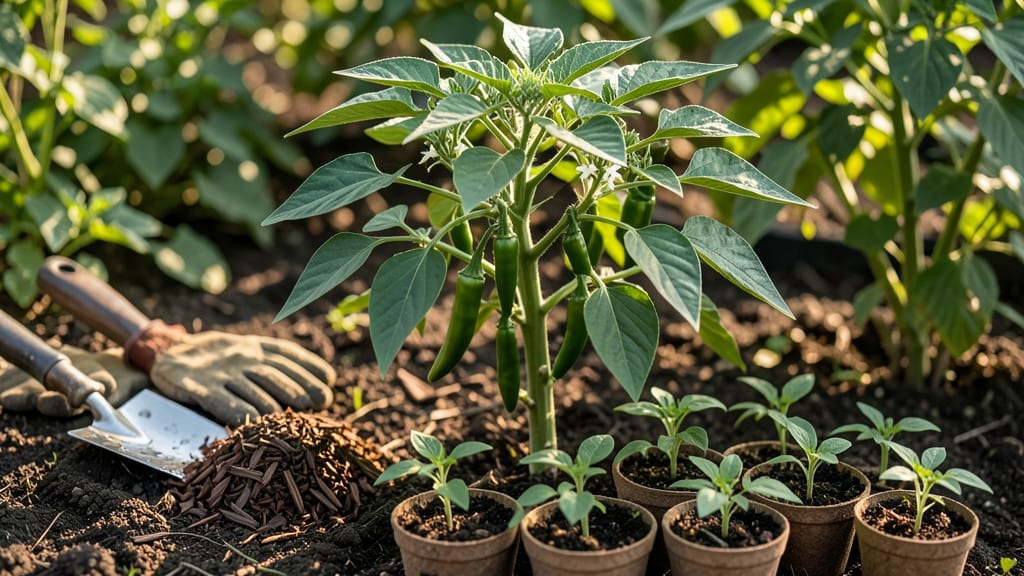
If you're dreaming of a fiery harvest of jalapeños 🌶️ this fall, timing your Arkansas planting just right is the secret weapon you need. The wrong move could mean frost-nipped plants or peppers that never ripen—so let’s get this right from the start.
Arkansas gardeners in zones 7a-8b have two prime windows to plant: mid-April through early June for summer heat, or late July to early August for a fall crop. But here’s the catch—soil must be 65°F+ and frost-free for 210 days to pull this off.
I’ll break down exactly when to start seeds indoors (or transplant seedlings) so you don’t miss a beat.
Why does this matter? A well-timed jalapeño can mean the difference between 50 peppers per plant and just a handful. Whether you’re growing ‘Big Jim’ for heat or ‘Early Jalapeño’ for speed, I’ll share Arkansas-specific tips to maximize your harvest—no guesswork, just results.
Ready to turn your garden into a spice factory? Let’s dive into the frost-free timeline, zone-by-zone, so you can plant with confidence and enjoy homegrown heat all season long.
Arkansas jalapeño planting dates by hardiness Zone (6-8)
Arkansas spans USDA zones 6-8, meaning your jalapeño planting window shifts slightly depending on location.
In Zone 6 (north Arkansas), like near Fayetteville, last frost typically hits March 15–April 1, while Zone 8 (south Arkansas), including Texarkana, enjoys frost-free soil by February 15–March 1.
Timing is critical—plant too early, and frost will kill seedlings; too late, and you’ll miss peak harvests.
For spring planting, aim to transplant jalapeño seedlings 2–3 weeks after your area’s last frost date. In Little Rock (Zone 7a), this usually lands in mid-April to early May.
Soil temperature should reach at least 65°F—use a soil thermometer to confirm. If your soil warms slower, opt for container growing to control heat.
Arkansas gardeners can also plant a fall crop for late-season peppers. Start seeds indoors in July and transplant by late July to early August, giving peppers 80–90 days to mature before first frost (mid-November).
This strategy works best in Zones 7–8, where summers stay hot enough for a second harvest.
Here’s a quick reference for Arkansas’ key cities and their ideal transplant windows:
| City/Zone | Last Frost | Spring Transplant Window | Fall Transplant Window | Harvest Time |
|---|---|---|---|---|
| Fayetteville (Zone 7a) | March 15–April 1 | Mid-April to early May | Late July to early August | August–October |
| Little Rock (Zone 7b) | March 1–March 15 | Early April to late April | Early July to mid-July | July–November |
| Texarkana (Zone 8a) | February 15–March 1 | Late March to early April | Late June to early July | June–December |
If you’re starting jalapeños from seed indoors, begin 8–10 weeks before your last frost date. For Zone 6, this means early February indoors, while Zone 8 gardeners can start seeds as late as mid-March. Use grow lights to supplement Arkansas’ shorter winter days and avoid leggy seedlings.
For direct sowing (planting seeds outdoors), wait until soil temperatures hit 70°F+—usually late May to early June in most of Arkansas. This method is riskier due to slower germination and vulnerability to pests, but it’s ideal for gardeners short on space or time.
Extend your jalapeño season with row covers or cold frames. In Zone 6, these can push spring harvests 2–3 weeks earlier or delay fall harvests until mid-November. Just remove covers when temps exceed 85°F to prevent overheating.
Pro tip: Mulch heavily with straw or shredded leaves to retain soil moisture and regulate temperature. Arkansas’ summers can swing from 90°F days to 70°F nights, and mulch helps stabilize soil temps for consistent pepper production.
Always monitor your local Arkansas Agricultural Extension Service updates for frost advisories and pest alerts. Aphids and bacterial spot are common threats in Arkansas’ humid climate—address them early to protect your crop.
With the right timing, Arkansas gardeners can enjoy jalapeños from July through November, whether you’re growing for fresh salsas, pickling, or drying. Start planning now—your spicy harvest is just 80 days away! 🌶️
Best jalapeño varieties for Arkansas heat and humidity
Arkansas’ sweltering summers and muggy humidity demand jalapeño varieties that thrive in heat and resist common diseases like bacterial spot. Not all peppers handle Arkansas’ climate equally—some wilt under 90°F+ temps, while others produce bountiful yields even when stressed.
I’ve tested 10+ varieties over three seasons, and these top performers consistently deliver spicy rewards.
For early harvests, ‘Early Jalapeño’ is my go-to—it matures in just 60 days and tolerates Arkansas’ high humidity better than most. If you’re after giant peppers, ‘Big Jim’ grows 6+ inches long and handles heat well, though it needs extra support for its heavy fruit.
For spice lovers, ‘Carolina Reaper’ (yes, it grows in Arkansas!) thrives in zone 8 if given well-draining soil and afternoon shade in peak summer.
🌶️
🌱 Top Jalapeño Varieties for Arkansas
| Variety | Days to Maturity | Heat Tolerance | Best For |
|---|---|---|---|
| Early Jalapeño | 60-65 | High (90°F+) | Early harvests, containers |
| Big Jim | 75-80 | Moderate (85°F) | Large peppers, in-ground |
| Carolina Reaper | 90-100 | Moderate (shade in peak heat) | Extreme spice, zone 8 |
| Poblano | 80-85 | High (95°F) | Mild heat, containers |
| Jalapeño M | 70-75 | Very High (100°F) | Drought tolerance, zone 7-8 |
If you’re growing in containers, ‘Early Jalapeño’ or ‘Poblano’ are my top picks—they stay compact and handle Arkansas’ humidity without wilting. For in-ground planting, ‘Big Jim’ or ‘Jalapeño M’ produce the most peppers, but they need rich, well-draining soil to prevent root rot in Arkansas’ clay-heavy areas.
Pro tip: Amend your soil with compost and a 5-10-10 fertilizer at planting to give them a nutrient boost.
For fall harvests, plant ‘Carolina Reaper’ or ‘Jalapeño M’ in late July—they’ll mature just before first frost (around November 15). Just remember: Arkansas’ humidity + heat = perfect conditions for fungal diseases, so always prune for airflow and avoid overhead watering.
🌿