
Plants
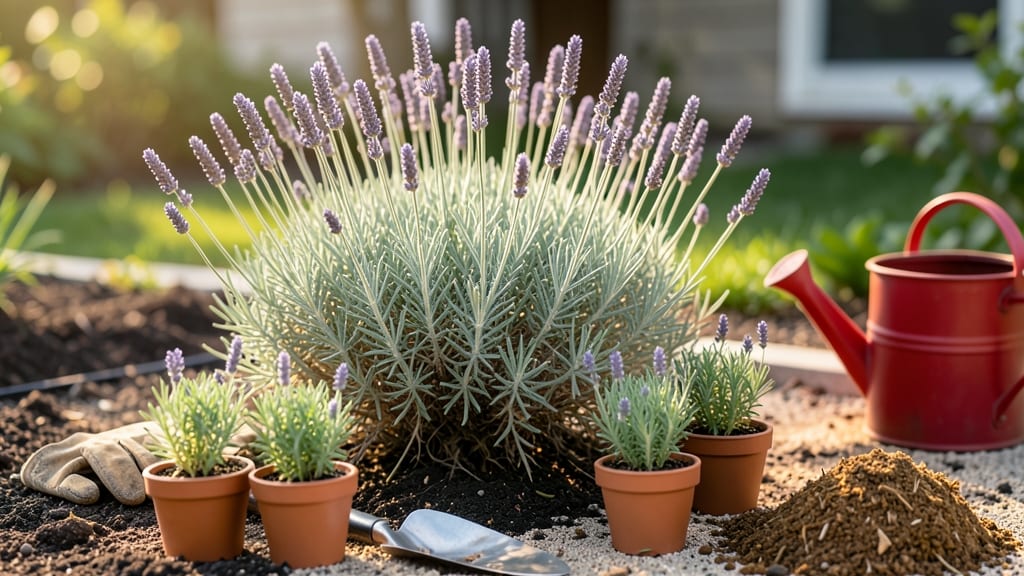
If you’ve ever dreamed of growing fragrant lavender 🌿 in Washington State, timing is everything—and getting it wrong could mean the difference between a thriving garden and a sad, wilted plant.
The perfect planting window depends on whether you’re in the rain-soaked Puget Sound or the dry high desert, where frost dates shift dramatically between Seattle and Spokane.
Most gardeners in zones 6b-8b (like Western WA’s 7b-8b) swear by early spring or fall, but those in Eastern WA’s 5b-7a need to wait until after the last frost—usually April 15—to avoid killing tender roots.
I’ll break down the exact months for your microclimate, plus soil secrets and care tips to ensure your lavender takes root like a pro.
Why does this matter? Lavender planted at the wrong time struggles to establish before winter, leaving it vulnerable to rot or stunted growth. But with the right timing—and a few insider tricks—you’ll have a garden that smells like Provence by next summer.
Let’s get your lavender off to the best start possible.
From choosing the right variety for your zone to avoiding common pitfalls, this guide covers everything you need to know. Whether you’re a first-time gardener or a seasoned green thumb, you’ll walk away with a clear plan to plant lavender that thrives year after year in Washington’s diverse climate.
Best lavender planting months in Washington’s 3 microclimate zones
Washington’s climate varies wildly between regions, so lavender planting timing depends on whether you’re in humid Western WA, dry Eastern WA, or high-elevation zones. Each microclimate has unique frost risks and soil conditions that dictate the best months to plant.
Let’s break down the ideal windows for each zone to ensure your lavender thrives from day one.
For Western Washington (e.g., Seattle, Olympia), where cooler, wetter conditions dominate, aim for early spring (March-April) or early fall (September). The last frost typically hits around March 15, giving you a narrow window to plant before summer heat arrives.
In contrast, Eastern Washington (e.g., Spokane, Wenatchee) has a longer frost-free season, so you can plant as late as April 15 in spring or even early October in fall.
High-elevation areas (e.g., Mount Rainier foothills, North Cascades) require extra caution. These zones often experience late spring frosts (sometimes into May) and earlier falls, so plant after May 1 or before September 1 to avoid frost damage. Always check your local USDA zone (6b-8b) for precise timing.
Here’s a quick guide to the ideal planting months for each zone, including frost risk factors and soil prep timing:
| Zone | Best Planting Months | Last Frost Date | Soil Prep Timing | Key Consideration |
|---|---|---|---|---|
| Western WA (Marine) | March-April (spring) or September (fall) | March 15 | February-March | Avoid heavy clay soils; amend with sand |
| Eastern WA (Arid) | April-May (spring) or early October (fall) | April 15 | March-April | Drought-tolerant varieties preferred |
| High Elevation (6,000+ ft) | After May 1 (spring) or before September 1 (fall) | May 15 | April-May | Use cold-hardy lavender varieties |
Spring planting is ideal because it gives lavender 6-8 weeks to establish roots before summer heat arrives. However, fall planting (6-8 weeks before first frost) works well in Eastern WA and high-elevation zones, allowing roots to grow without competing with summer blooms.
Always test your soil’s drainage—lavender hates soggy roots—and amend with gravel or sand if needed.
In Western WA’s humid climate, focus on well-draining soil and full sun exposure to prevent fungal diseases. Eastern WA’s dry conditions mean you can plant lavender in sandy or rocky soils, but mulch heavily to retain moisture.
For high-elevation gardens, choose hardy varieties like Lavandula angustifolia and protect young plants with burlap wraps if frost is forecasted.
Pro tip: Start lavender from nursery-grown plants rather than seeds, as they establish faster. If planting in containers, use a fast-draining potting mix with perlite or pumice. Avoid planting lavender in low-lying areas where cold air pools, as this increases frost risk.
Timing isn’t just about months—it’s about weather patterns. Check your local National Weather Service for 10-day forecasts before planting to avoid unexpected frost or rain. In Seattle’s marine climate, for example, April showers can delay planting, while Spokane’s dry springs often allow earlier starts.
Once planted, water deeply but infrequently—lavender thrives on neglect once established. In Western WA, water weekly in spring and every 10-14 days in summer.
In Eastern WA, reduce watering to every 2-3 weeks once roots are established. Mulch with gravel or wood chips to suppress weeds and retain moisture.
By following these zone-specific planting windows, you’ll give your lavender the best chance to flourish in Washington’s diverse climate. Whether you’re in rainy Seattle or sunny Yakima, the key is adapting to your microclimate and avoiding common pitfalls like overwatering or poor drainage.
Best lavender planting months in Washington’s 3 microclimate zones
Washington State’s climate varies dramatically from the marine-influenced west to the dry, arid east, making planting timing critical for lavender success. The USDA zones 6b-8b across the state mean frost dates shift by weeks—Seattle’s last frost is March 15, while Spokane’s can linger until April 15.
Understanding these microclimates ensures your lavender thrives.
For Western Washington (e.g., Seattle, Bellingham), the best planting windows are early spring (March-April) or early fall (September-October). The cooler, wetter climate demands well-draining soil to prevent root rot, while Eastern Washington (e.g., Yakima, Wenatchee) benefits from late spring (April-May) planting to avoid early frosts and summer drought stress.
High-elevation areas like the Cascade foothills (e.g., Leavenworth) need even earlier planting—late April to early May—to outpace late-season frosts. These zones often experience 50°F temperature swings overnight, which can stunt young lavender plants if not timed correctly.
🌱 Lavender Planting Windows by Washington Zone
| Zone | Last Frost | Best Spring Planting | Best Fall Planting | Soil Prep Tip |
|---|---|---|---|---|
| Western WA (7b-8b) | March 15 | March-April | September-October | Amend clay soil with grit |
| Eastern WA (5b-7a) | April 15 | April-May | August-September | Use sandy loam |
| High Elevation (6a-7a) | May 1 | Late April-Early May | July-August | Mulch heavily |
Spring planting in Western Washington should begin 4-6 weeks before the last frost—typically by mid-March—to allow roots to establish before summer heat. In Eastern Washington, wait until soil temperatures reach 55°F (usually mid-April) to avoid cold damage.
Fall planting works best when daytime temps stay above 70°F for root growth.
Urban areas like Seattle and Spokane face unique challenges: urban heat islands can delay frost dates by 1-2 weeks, while coastal areas (e.g., Olympia) may experience foggy mornings that slow early growth. Adjust planting dates accordingly—coastal zones can plant 2 weeks earlier than inland areas.
Always test your soil’s drainage and pH (ideal: 6.0-7.5) before planting. Lavender hates soggy roots, so amend heavy soils with gravel or perlite. In Eastern WA’s dry climate, mulch with gravel or crushed rock to retain moisture without suffocating roots.