
Plants
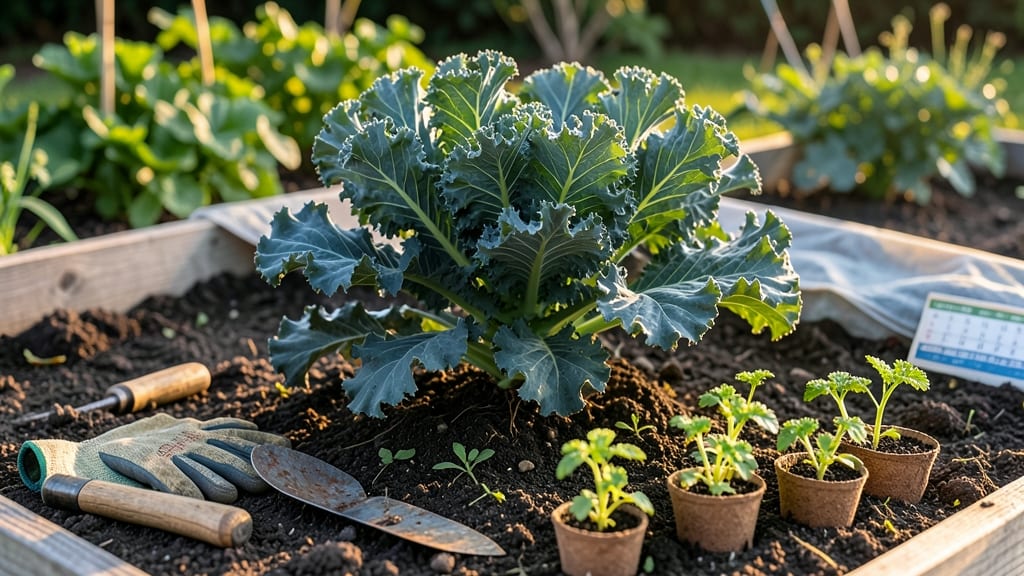
If you’ve ever wondered when to plant kale in Massachusetts, timing is the key to a bountiful harvest—especially for a cold-hardy crop like 🥬 kale that thrives in both spring and fall.
Skip the guesswork: Plant too early, and frost will turn your tender seedlings into sad, wilted memories. Too late, and you’ll miss the sweetest flavors of the season.
Massachusetts gardeners in zones 5b-7a have a narrow but perfect window to get kale in the ground—March 15 to April 15 for spring and August 1 to September 15 for fall.
These dates align with frost-free periods and soil warmth, ensuring your plants grow strong before the first chill sets in. Whether you’re a seasoned gardener or a beginner, nailing this timing means more harvests and fewer headaches.
But here’s the secret: Not all kale varieties play by the same rules. Some, like ‘Winterbor’, handle frost like a champ, while others need a little extra care to avoid bolting in summer’s heat.
I’ll break down the best varieties for your zone, plus pro tips to stretch your harvest from May through November—even if you’re dealing with coastal breezes or inland heat waves.
Ready to grow kale that’s crisp, flavorful, and ready when you are? Let’s dive into the exact planting schedule, soil prep, and tricks to keep your 🥬 kale thriving—no matter what Mother Nature throws your way. Your future salads are waiting.
Massachusetts planting zones & kale’s frost-free window by month
Massachusetts spans USDA Zones 5b-7a, meaning your last frost date typically lands between April 15 and May 1, while the first frost arrives around October 15. This 165-day frost-free window creates two prime planting opportunities for kale: early spring and late summer.
Timing is critical—plant too early, and frost will damage tender seedlings; too late, and your harvest won’t mature before winter.
For spring planting, aim to sow seeds or transplant seedlings 4-6 weeks before your last frost date. In Zone 5b, this means starting seeds indoors by March 1 or direct-sowing by March 15.
In Zone 7a, you can direct-sow as early as February 28. The goal is to have mature plants ready for harvest by late May, before summer heat triggers bolting.
Fall planting is often more productive in Massachusetts. Start seeds indoors 8-10 weeks before your first frost (around August 1) or direct-sow by September 1. This ensures a harvest window from October through November, when kale’s flavor actually sweetens after frost. Hardier varieties like 'Winterbor' or 'Lacinato' thrive in these conditions.
🌱 Massachusetts Kale Planting Schedule by Zone
| Zone | Last Frost | First Frost | Spring Planting Window | Fall Planting Window | Harvest Window |
|---|---|---|---|---|---|
| 5b (Western MA) | April 22 | October 10 | March 15 - April 15 | August 1 - September 1 | May - October & Oct - Nov |
| 6a (Central MA) | April 15 | October 15 | March 1 - April 1 | July 31 - August 31 | April - September & Sept - Nov |
| 7a (Southeastern MA) | May 1 | October 20 | February 28 - March 15 | August 15 - September 15 | April - October & Sept - Dec |
💡 Pro Tip: Coastal areas (e.g., Cape Cod) have milder microclimates—extend fall planting to September 30 and harvest through December.
Soil temperature is another critical factor. Kale seeds germinate best in soils above 40°F, but ideal transplanting occurs when soil reaches 50°F. Use a soil thermometer to check—if temperatures dip below 40°F, wait or use row covers to warm the soil.
In Zone 5b, this often means delaying direct sowing until mid-April.
For succession planting, sow new seeds every 2-3 weeks from March to August to ensure a continuous harvest. This works especially well for bolt-resistant varieties like 'Red Russian', which tolerates summer heat better than curly kale.
Space seeds 1/2 inch apart and thin to 12-18 inches between plants for optimal air circulation.
In Zone 7a, where summers are hotter, focus on fall planting to avoid bolting. Start seeds indoors by July 15 and transplant outdoors by August 15.
Use shade cloth (30-50%) if planting in July to protect seedlings from intense sun. Mulch with straw or leaves to retain moisture and regulate soil temperature.
Remember, microclimates matter. Urban areas like Boston may experience earlier last frosts (as early as April
Best kale varieties for Massachusetts climate & their planting timing
Not all kale varieties thrive equally in Massachusetts’ cool, humid climate and variable frost dates. Some bolt in summer heat, while others freeze before harvest. Choosing the right variety—and planting at the right time—means the difference between a bountiful harvest and wasted effort.
Here’s how to match your kale to Massachusetts’ growing seasons.
For spring planting (March–April), prioritize cold-hardy varieties like 'Winterbor' or 'Lacinato', which tolerate light frosts after transplanting. These varieties also handle late-spring heat better than delicate types like 'Curly Blue', which bolts quickly when temperatures rise above 75°F.
🥬 Kale Variety Planting Guide for Massachusetts
| Variety | Cold Tolerance | Best Planting Time | Harvest Window | Pro Tip |
|---|---|---|---|---|
| Winterbor | ❄️❄️❄️ (Survives 20°F) | March 15–April 15 (spring) or Aug 15–Sept 1 | May–Nov (overwinter with mulch) | Sweetens after frost; ideal for winter harvests. |
| Lacinato (Dino) | ❄️❄️ (Survives 15°F) | April 1–April 30 (spring) or Aug 1–Sept 15 | June–Nov (fall crop lasts longest) | Heat-tolerant; great for late-summer starts. |
| Red Russian | ❄️ (Survives 10°F) | March 1–April 1 (spring) or July 15–Aug 15 | April–Oct (bolts in heat; plant early) | Use shade cloth in summer to delay bolting. |
| Curly Blue | ❄️ (Survives 25°F) | April 15–May 1 (spring) or July 1–Aug 1 | May–Sept (heat-sensitive; harvest early) | Sow seeds indoors in March for earlier transplants. |
| Tusk Tough | ❄️❄️❄️ (Survives 20°F) | March 15–April 15 (spring) or Aug 1–Sept 1 | May–Dec (disease-resistant; overwinters well) | Resists cabbage worms; perfect for organic gardens. |
For fall planting (August–September), focus on 'Winterbor' or 'Tusk Tough', which handle early frosts and even light snow when mulched. These varieties sweeten after frost, making them ideal for late-season harvests. Avoid 'Curly Blue' in fall—it’s too tender for Massachusetts’ unpredictable October weather.
Pro tip: If you’re growing kale for winter harvests, start seeds indoors in late July and transplant outdoors by mid-August. This gives plants enough time to establish roots before the first frost, ensuring a continuous harvest through November.
Use row covers or straw mulch to protect young plants from late-season freezes.
For summer heat, opt for shade-tolerant varieties like 'Red Russian' and use drip irrigation to keep soil consistently moist. Kale planted in July or August will bolt faster, so prioritize quick-maturing varieties (e.g., 'Lacinato') and harvest leaves as soon as they reach 6–8 inches