
Plants
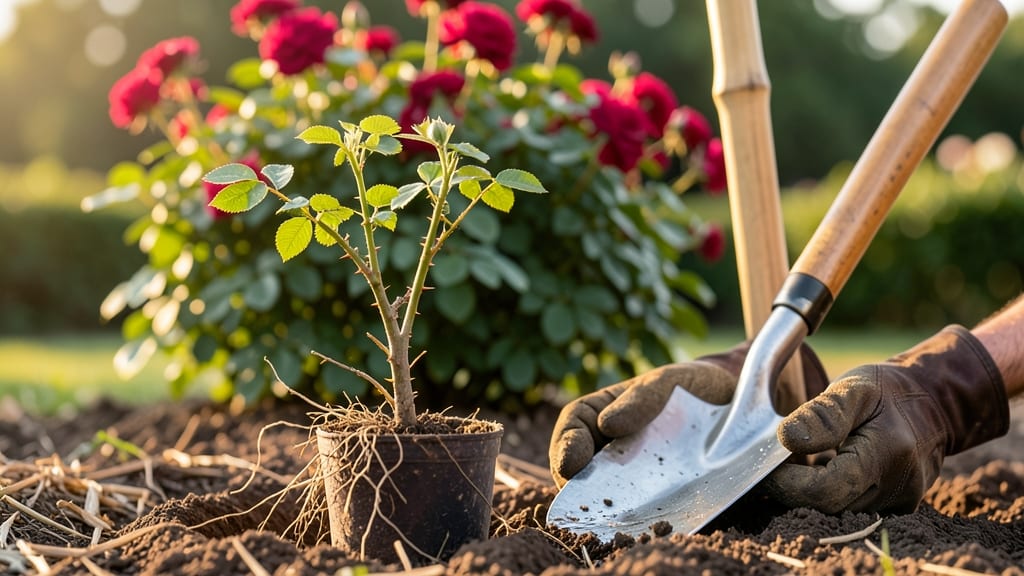
Virginia’s USDA zones and ideal Knockout Rose planting months by region
Virginia spans USDA hardiness zones 5a through 8a, meaning your Knockout Rose planting window depends on where you live. In Zone 5a (northern mountains), frost lingers until mid-April, while Zone 8a (coastal areas) sees last frosts by mid-March.
These differences matter—planting too early in colder zones risks root freeze, while waiting too long in warmer zones can stress young plants before summer heat arrives.
For optimal growth, aim for soil temperatures above 60°F and 2-3 weeks after your local last frost date. In Virginia, this typically means late March to early April for spring planting or September to early October for fall planting.
Fall planting gives roots time to establish before winter, while spring planting lets you enjoy blooms the first season.
Here’s how to match your zone to the perfect planting window:
🌹 Virginia USDA Zones & Knockout Rose Planting Windows
| USDA Zone | Last Frost Date | Ideal Planting Window | Soil Temp Threshold | Key Risk |
|---|---|---|---|---|
| 5a (e.g., Roanoke) | April 15 | Late April–May | 60°F+ | Late frosts |
| 6a (e.g., Lynchburg) | March 25 | Late March–April | 60°F+ | Cold snaps |
| 7a (e.g., Richmond) | March 15 | March–April or Sept–Oct | 60°F+ | Summer heat stress |
| 7b (e.g., Fredericksburg) | March 10 | March–April or Sept–Oct | 60°F+ | Humidity + heat |
| 8a (e.g., Norfolk) | February 28 | February–March or Sept–Oct | 55°F+ | Early heat waves |
💡 Pro Tip: Check your exact last frost date using the Virginia State Climatology Office or local Cooperative Extension.
If you’re in Zone 7a or warmer, fall planting (September–October) is ideal—it gives roots time to establish before winter. In Zone 5a or 6a, prioritize spring planting after the last frost, but avoid planting in June or July when summer heat can shock young roots.
For container-grown roses, you have a slightly wider window (plant anytime soil is workable), but still aim for spring or fall.
Regional microclimates add complexity. For example, the Shenandoah Valley (Zone 6a) often sees late spring frosts in April, while Tidewater Virginia (Zone 8a) may experience early heat waves by May. Use a minimum thermometer to track soil temps—Knockout Roses need consistent warmth to thrive.
Another critical factor is daylength. Planting in late spring (May–June) exposes young roses to longer daylight hours, which can stress them before they’re established. Fall planting avoids this by giving plants a gradual transition into dormancy.
For container planting, extend your window slightly—containers warm up faster in spring and cool down slower in fall.
For bloom timing, spring-planted roses may flower 2–3 weeks later than fall-planted ones, but the difference in first-year blooms is minimal. The real advantage of fall planting? Less competition from weeds and better root establishment before summer heat arrives.
If you’re unsure, test your soil temperature with a soil thermometer—it’s the most accurate way to confirm readiness.
🌱 Remember: Virginia’s humidity and clay-heavy soils in some regions can delay soil warming. Amend your soil with compost or sand to improve drainage and warmth retention, especially in Zone 5a–6a.
Virginia’s USDA zones and ideal Knockout Rose planting months by region
Virginia spans USDA zones 5a to 8a, creating a diverse climate where planting timing varies dramatically between the mountains and coast. In Zone 6a (Appalachians), late frosts linger until April 15, while Zone 8a (Tidewater) sees safe planting as early as February 15.
Understanding these differences ensures your Knockout Roses establish strong roots before summer heat.
For all zones, aim to plant when soil temperatures exceed 60°F and daytime highs stay above 70°F. This typically lands in late March to early April for spring planting or September to early October for fall. Fall planting gives roots time to establish before winter, reducing transplant shock.
Here’s how to match your region to the perfect window:
| USDA Zone | Region Examples | Spring Planting Window | Fall Planting Window | Key Risk |
|---|---|---|---|---|
| 5a-6a | Roanoke, Blacksburg | April 1-15 | September 15-October 1 | Late spring frosts |
| 6b-7a | Richmond, Charlottesville | March 20-April 5 | September 1-October 15 | Humidity/fungal diseases |
| 7b-8a | Norfolk, Virginia Beach | February 15-March 15 | October 1-November 1 | Hurricane season delays |
Pro tip: Use a soil thermometer to confirm readiness—60°F+ at 4" depth signals it’s time. For container planting, extend your window by 2-3 weeks since pots warm faster. Just avoid planting when forecasted highs exceed 90°F, as stress weakens root establishment.
In Zone 6a, where late frosts are common, opt for bare-root roses in early April—they establish faster than container-grown plants. Meanwhile, Zone 8a gardeners can push spring planting to March 1 if soil is workable, but monitor for spider mite outbreaks in dry conditions.
Fall planting is ideal for Zone 7a and below—aim for September 15-October 1 to give roots 6-8 weeks to harden before winter. In Zone 8a, stretch to November 1, but avoid planting after October 15 if your area sees early frosts.
Remember: Knockout Roses bloom on new wood, so early planting gives them a head start for summer color. With the right timing, you’ll enjoy continuous blooms from June to frost—no deadheading required!