
Plants
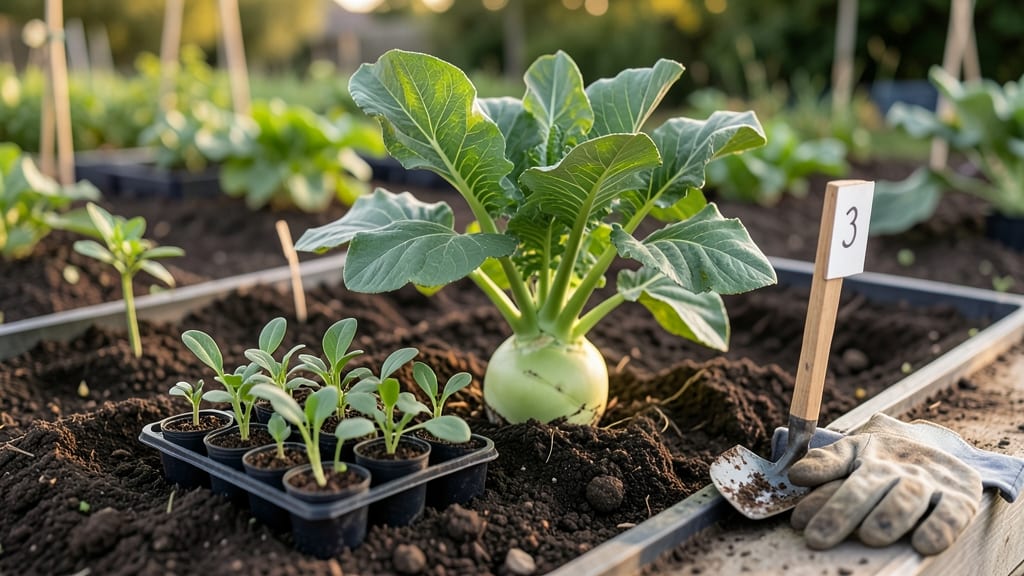
Timing your kohlrabi planting in Zone 6 can make or break your harvest—get it wrong, and you’ll end up with bitter, woody bulbs instead of crisp, sweet 🥬 gems.
This cool-weather crop thrives when soil temperatures hover between 45°F and 75°F, but Zone 6’s unpredictable springs and early frosts demand precision.
The secret? Plant your kohlrabi seeds 4-6 weeks before your last expected frost date—typically between March 15 and April 15 for spring crops. For a second harvest, aim for late summer (July 1-15) to beat the first frost in October.
Miss these windows, and you risk bolting or stunted growth.
But here’s the game-changer: not all Zone 6 areas are created equal. Microclimates—like urban heat islands or high-altitude pockets—can shift your ideal planting dates by 2-3 weeks. I’ll show you how to adjust for your specific conditions, so you’re always planting at the perfect moment.
Ready to grow kohlrabi that’s tender, flavorful, and ready to harvest in just 55 days? Let’s dive into the exact schedule, variety picks, and pro tips to turn your Zone 6 garden into a kohlrabi powerhouse.

Zone 6 kohlrabi planting timeline: weeks before last frost for maximum yield
Kohlrabi thrives in cool weather but bolts quickly when temperatures rise above 75°F. In Zone 6, your last frost date (typically mid-April) and first frost date (around mid-October) create two ideal planting windows: early spring and late summer.
Timing these correctly ensures tender, sweet bulbs instead of bitter or woody harvests.
For spring planting, aim to sow seeds 4-6 weeks before your last frost. This gives seedlings enough time to establish roots before warm weather arrives.
In Zone 6, that translates to early March for most gardeners. Soil temperature should be at least 40°F for germination, but cooler nights help prevent bolting.
If you miss the spring window, don’t despair—late summer planting works too. Sow seeds 8-10 weeks before your first frost, which in Zone 6 means early to mid-July. This second crop matures just in time for fall harvests before cold weather sets in.
Here’s the exact Zone 6 kohlrabi planting timeline to maximize yield and avoid bolting:
| Planting Window | Weeks Before Last Frost | Ideal Month | Soil Temp | Notes |
|---|---|---|---|---|
| Early Spring | 4-6 weeks | March | 40-50°F | Best for early harvests; use row covers if frost threatens. |
| Late Summer | 8-10 weeks | July | 50-60°F | Avoid heatwaves; choose bolting-resistant varieties. |
For spring plantings, start seeds indoors 3-4 weeks before transplanting to give them a head start. Harden off seedlings for 5-7 days before moving them outdoors. In Zone 6, this means transplanting late March to early April, just as soil warms but before temperatures consistently exceed 65°F.
If you’re unsure about your exact last frost date, use the USDA Plant Hardiness Zone Map for your specific location. Many Zone 6 gardeners in higher elevations (e.g., mountains) experience later frosts, while those in urban heat islands may see earlier warm-ups.
Adjust your timeline by 1-2 weeks based on local microclimates.
Pro tip: Use a soil thermometer to confirm temperatures. Kohlrabi seeds won’t germinate well below 40°F, and seedlings may struggle in cold, wet soil. If your soil is too cold, wait 1-2 weeks or use a cold frame to warm it faster.
For fall plantings, prioritize shade cloth or drip irrigation to keep soil cool. Avoid planting after mid-July in most of Zone 6, as the heat will trigger bolting. Instead, opt for fast-maturing varieties (like 'Purple Vienna') that can harvest in 45-50 days.
Remember: Kohlrabi’s bulb formation slows when temperatures exceed 70°F. If you notice stems elongating or flowering, your plants are bolting—time to harvest or replant for a cooler season. With the right timing, you’ll enjoy crisp, sweet kohlrabi twice a year in Zone 6!
Zone 6 kohlrabi planting timeline: weeks before last frost for maximum yield
Kohlrabi thrives in cool weather, making timing critical in Zone 6. The average last frost date here is mid-April, but soil temperature matters more than air temperature.
Kohlrabi seeds need soil temps of 45°F+ to germinate reliably. Planting too early risks frost damage, while waiting too long triggers bolting (premature flowering).
For spring plantings, aim to sow seeds 4-6 weeks before your last frost date. In Zone 6, this translates to mid-to-late March. If your spring is unpredictable, use row covers to extend the season.
Fall plantings should start 8-10 weeks before the first frost, which in Zone 6 means early-to-mid July.
| Planting Window | Weeks Before Frost | Soil Temp Requirement | Key Consideration |
|---|---|---|---|
| Early Spring | 4-6 weeks | 45°F+ | Use row covers if frost risk remains |
| Late Summer | 8-10 weeks | 50°F+ | Avoid hot summer months (July heat) |
| Succession Planting | Every 2 weeks | 45°F+ | Extend harvest window by 6+ weeks |
Kohlrabi’s 55-day maturity means you’ll harvest by late May to early June for spring plantings. For fall, aim for early October harvests before cold snaps. If your Zone 6 area has late frosts, opt for cold-hardy varieties like 'Purple Vienna' or 'White Vienna' to push harvests later.
Pro tip: Direct sow seeds instead of transplanting—kohlrabi hates root disturbance. Space seeds 1/2 inch deep and 2 inches apart, then thin to 4-6 inches when seedlings are 2 inches tall. This spacing prevents crowding, which stresses plants and encourages bolting.
Monitor your garden’s microclimate. South-facing beds warm faster, while north-facing spots stay cooler longer. Adjust planting dates by 1-2 weeks based on your garden’s exposure. For example, if your north side stays cold longer, delay planting there by a week compared to your sunniest spot.
Remember: Kohlrabi bolts when stressed—whether from heat, drought, or overcrowding. Stagger plantings every 2 weeks in spring and fall to ensure a steady supply of fresh, crisp bulbs without the bitterness of woody stems. 🥬