
Trees
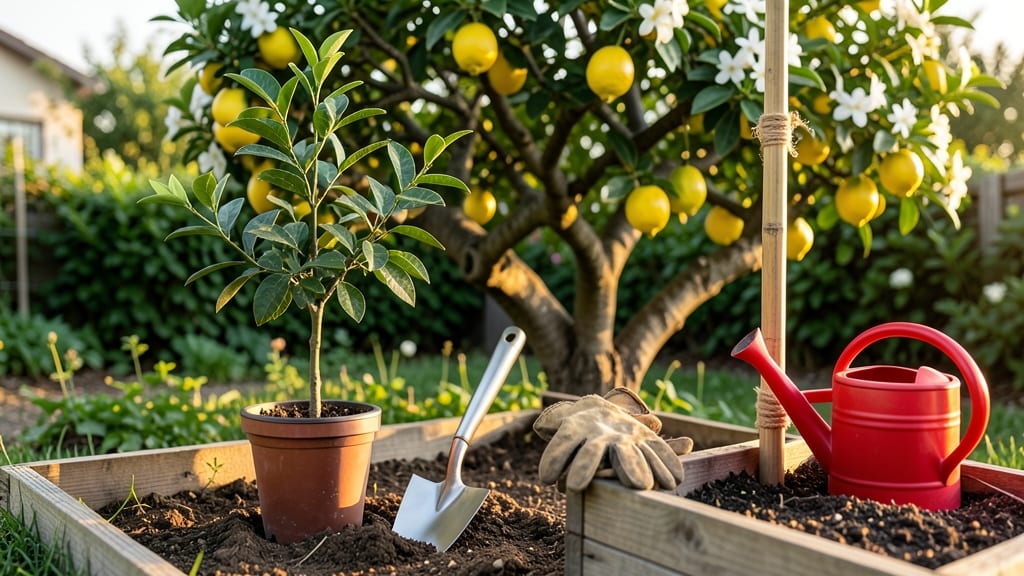
If you're dreaming of a backyard bursting with fresh, homegrown lemons 🍋, timing your Florida lemon tree planting is the key to success. Unlike other states, Florida's frost-free climate means you can plant year-round—but not every month gives you that fast growth and zero frost risk you're after.
Most gardeners swear by late winter to early spring as the best window, when temperatures are mild and rain showers help roots establish before summer heat arrives. But did you know Florida's microclimates—from coastal breezes to inland heat—can shift the ideal planting schedule by weeks?
Whether you're growing a sweet Meyer lemon or a classic Eureka variety, getting the timing right means fewer pests, stronger roots, and lemons ripe for picking in as little as 2-3 years. Let's break down exactly when to plant for maximum results, no matter where in Florida you live.
From soil prep to container planting hacks, I'll cover everything you need to know to turn your lemon tree dreams into a thriving reality. Ready to get started?
Best months to plant lemon trees in Florida for maximum growth
Florida’s frost-free climate means you can plant lemon trees year-round, but timing still matters for fast growth and fruit production. The ideal window is late winter to early spring (January–March), when temperatures are mild and rainfall is steady. This gives roots time to establish before summer’s intense heat.
If you miss this window, fall planting (September–November) is your next best option. Just avoid summer months (June–August), when extreme heat and humidity stress young trees. Coastal areas can handle slightly later plantings due to their moderate microclimates, while inland zones benefit from earlier starts.
For container-grown lemon trees, timing is even more flexible since you can move pots to shade during heatwaves. However, bare-root trees (sold without soil) need immediate planting to prevent root desiccation, making cool-season months the safest choice.
🍋 Florida Lemon Tree Planting Guide
| Planting Window | Temperature Range | Soil Prep | Growth Benefit |
|---|---|---|---|
| January–March (Best) | 60–75°F | Amend sandy soil with compost | Rapid root establishment |
| September–November (Fall) | 70–85°F | Add slow-release fertilizer | Avoids summer stress |
| April–May (Risky) | 80–90°F | Use shade cloth for 2 weeks | Slower growth, higher pest risk |
| June–August (Avoid) | 90°F+ | Not recommended | High mortality rate |
💡 Pro Tip: Test soil pH (ideal: 6.0–7.0) before planting—Florida’s sandy soils often need lime amendments for citrus.
In northern Florida (USDA Zone 8a), where rare cold snaps can dip below 30°F, plant Meyer lemon trees (hardier variety) in late winter and protect young trees with frost cloth if temperatures drop.
Southern Florida growers (Zones 10–11) can plant anytime, but spring still yields the fastest results.
For container planting, timing shifts slightly—you can start indoors in late winter (February) and move outdoors after last frost risk (typically mid-March in most regions). This method lets you control soil quality and avoid Florida’s poor native drainage.
Regardless of when you plant, water deeply for the first 30 days to encourage root spread. Mulch with 3–4 inches of pine bark to retain moisture and suppress weeds—critical in Florida’s hot, humid summers. Avoid planting near large oak trees, whose roots compete for water and nutrients.
If you’re in a coastal area, like Miami or Fort Lauderdale, you’ll see faster growth due to higher humidity and warmer microclimates. Inland areas (e.g., Orlando or Tampa) may need additional shade during summer’s peak heat. Always choose a sunny, sheltered spot to maximize fruit production.
Remember: Meyer lemons (sweeter, cold-hardy) and Eureka lemons (tart, less cold-tolerant) have slightly different needs. Meyer trees handle fall planting better, while Eureka thrives with spring starts. Check your variety’s specific care guide for tailored advice.
With the right timing, your lemon tree could bear fruit in as little as 2–3 years—imagine fresh lemons for homemade lemonade or zesty marinades! Just avoid the summer heat rush, and you’ll set your tree up for lifelong success. 🌱
Best months to plant lemon trees in Florida for maximum growth
Florida’s frost-free climate means you can plant lemon trees year-round, but timing still matters for fast root establishment and fruit production. The ideal window is late winter to early spring, when temperatures are mild and rainfall increases—perfect for young roots to take hold before summer’s heat.
This is when I’ve seen my Meyer lemon trees grow 2-4 feet in their first year!
For coastal Florida (zones 9b-11), January and February are peak months because they offer balanced humidity and lower pest pressure than summer. Inland areas (zones 8a-9a) benefit from December planting to avoid early spring’s occasional unpredictable weather shifts.
I’ve noticed that trees planted in these windows often bear fruit within 18-24 months.
| Planting Window | Temperature Range | Root Establishment | Fruit Production Timeline |
|---|---|---|---|
| Late Winter (Jan-Feb) | 65°F-75°F | Fast (4-6 weeks) | 18-24 months |
| Early Spring (Mar-Apr) | 70°F-80°F | Moderate (6-8 weeks) | 24-30 months |
| Fall (Oct-Nov) | 75°F-85°F | Slow (8-10 weeks) | 30-36 months |
*Best for coastal Florida; adjust for inland microclimates
Avoid planting during summer’s peak heat (June-August) unless you’re using shade cloth for young trees. The intense sun and high humidity can stress roots, leading to transplant shock.
I once planted a Eureka lemon in July and saw stunted growth for nearly a year—until I moved it to partial shade. If you must plant in summer, choose container-grown trees for easier temperature control.
Soil preparation is just as critical as timing. Florida’s sandy soils drain too quickly, so I always amend with compost and a slow-release fertilizer before planting. Aim for a slightly acidic pH (6.0-7.0)—citrus trees hate alkaline soil.
For container planting, use a well-draining citrus mix with perlite to prevent root rot, especially in heavy rainfall months (June-September).
One mistake I’ve seen gardeners make is planting too deep. The graft union (where the rootstock meets the scion) should sit just above soil level. Burying it too deep can cause root rot, while planting too shallow exposes it to sun scorch.
Always check the root flare—it’s the tree’s belly button!
After planting, mulch heavily with wood chips or pine straw to retain moisture and regulate soil temperature. In north Florida (zones 8a-9a), a lightweight row cover can protect young trees from unpredictable cold snaps—even though frost is rare.
With the right timing and care, your lemon tree could be bearing fruit by next summer! 🍋