
Plants
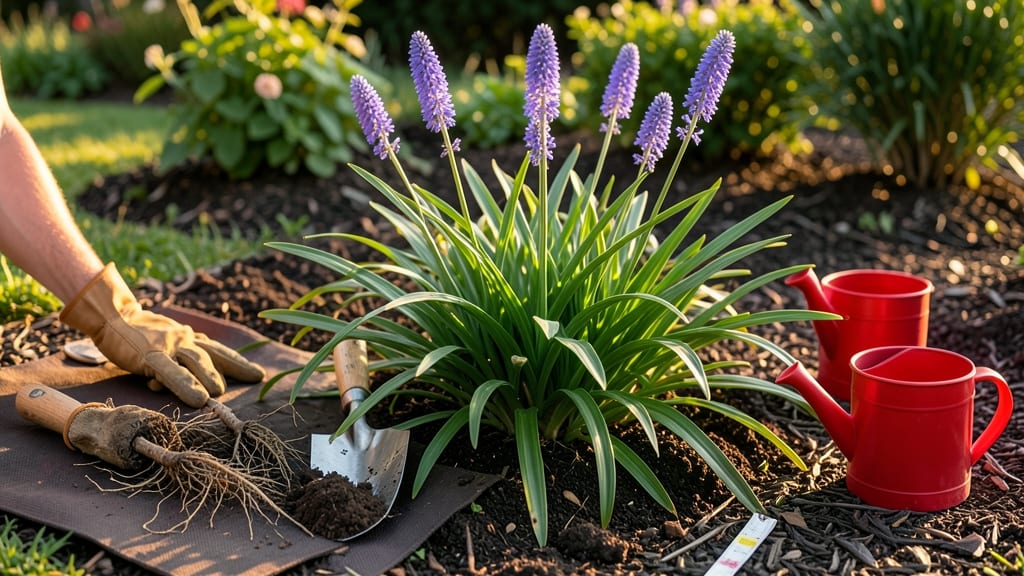
Timing your liriope planting in Zone 7 can make or break your garden’s success—get it wrong, and you’re fighting frost damage or summer stress. The perfect window exists where soil warmth and moisture align just right for this hardy grass-like plant 🌿 to take root.
If you’ve ever watched liriope struggle in your yard, you know how frustrating it can be. Too early, and those tender roots might not survive lingering frost. Too late, and the brutal Zone 7 summers can leave your new plants wilting before they even establish.
But here’s the good news: with the right timing, liriope thrives effortlessly.
I’ll walk you through the ideal months for planting—when to dig in for maximum root growth—plus how to prep your soil for success. Whether you’re a seasoned gardener or just starting, these tips will help you avoid common mistakes and set your liriope up for lush, year-round greenery.
Ready to transform your garden edges or shady spots into a low-maintenance, high-impact display? Let’s get started with the exact timing and care your liriope needs to flourish in Zone 7.

Optimal planting months for liriope in Zone 7: soil temperature and weather guide
Zone 7’s climate creates a perfect window for planting liriope—just 4 months where soil warmth and moisture align. The key is avoiding spring frost risks and summer’s scorching heat, which can stunt root growth. My ideal planting times? March through April for spring and September through October for fall.
Liriope thrives when soil temperatures hit 60-70°F—too cold, and roots struggle; too hot, and new growth wilts. In northern Zone 7 (e.g., Cincinnati, Ohio), aim for late March to early April when frost danger passes. In southern Zone 7 (e.g., Atlanta, Georgia), push to February-March before summer’s heat peaks.
Here’s the critical timing breakdown for Zone 7’s two best planting windows:
| Season | Best Months | Soil Temp | Key Considerations |
|---|---|---|---|
| Spring | March–April | 55–65°F | Avoid late frosts; mulch to retain warmth. |
| Fall | September–October | 60–70°F | Plants establish roots before winter chill. |
Spring planting lets liriope establish roots before summer’s heat, while fall planting gives it a head start for next year’s growth. I’ve found September is ideal—soil stays warm, but humidity drops, reducing fungal risks.
Zone 7’s microclimates matter: Coastal areas (e.g., Charleston) can plant 2 weeks earlier due to milder winters, while inland cities (e.g., Nashville) should wait until mid-April to avoid late frosts. Always check your last frost date—Zone 7’s ranges from April 1–15.
If you miss these windows, late fall (November) is a backup, but growth slows as temperatures drop. Avoid planting in summer (June–August)—liriope’s roots suffocate in heat, and transplant shock is severe. Even May plantings risk stress from 90°F+ days.
Pro tip: Use a soil thermometer to confirm temps before planting. Liriope’s roots need consistent warmth—if your soil is below 55°F, wait. For container planting, extend the window by 2 weeks—pots warm faster in spring and cool slower in fall.
Once planted, water deeply for the first 2 weeks to encourage root spread. In Zone 7’s humid summers, mulch with 3 inches of shredded bark to keep roots cool and moist. This simple step can double your liriope’s survival rate in our climate.
Remember: Liriope’s dormancy period (winter) means fall plantings have less competition for nutrients. By planting in September, you’re giving your liriope a full growing season before winter slows it down.
Optimal planting months for liriope in Zone 7: soil temperature and weather guide
Zone 7’s mild winters and hot summers create a tight window for planting liriope. Aim for early spring (March-April) or early fall (September-October) when soil temperatures hover between 60-70°F. This range allows roots to establish without summer drought stress or winter chill damage.
In northern Zone 7 (e.g., Cincinnati, Pittsburgh), wait until after the last frost (mid-April) to avoid cold snaps. Southern areas (e.g., Atlanta, Raleigh) can plant as early as late February if soil isn’t waterlogged. Always check 7-day soil forecasts—liriope hates soggy roots.
Here’s why these months work best: March-April gives liriope 6-8 weeks to root before summer’s peak heat, while September-October lets it establish before winter dormancy. Avoid planting in May-July—intense heat slows growth, and roots may struggle to penetrate dry soil.
🌱 Zone 7 Liriope Planting Timeline
| Month | Soil Temp (°F) | Ideal Planting? | Notes |
|---|---|---|---|
| February | 45-55°F | ✅ (Southern Zone 7) | Risk of late frost; mulch heavily |
| March | 55-65°F | ⭐ Best Time | Soil warms quickly; water deeply |
| April | 60-70°F | ⭐ Best Time | Avoid full sun until established |
| May | 70-80°F | ⚠️ Risky | Heat stress; plant only with shade cloth |
| September | 65-75°F | ⭐ Best Time | 6-8 weeks before first frost |
| October | 50-60°F | ✅ (Northern Zone 7) | Mulch 2-3 inches for winter protection |
For container planting, extend your window slightly—pots warm faster in spring and cool slower in fall. Just ensure containers have drainage holes to prevent root rot. In shady microclimates (e.g., under trees), you can plant as late as mid-May since liriope tolerates cooler soils.
Pro tip: Use a soil thermometer to confirm temps before planting. Liriope roots thrive at 65°F+—if your soil is cooler, wait 1-2 weeks. In drought-prone areas, prioritize fall planting to avoid summer water restrictions.
Remember, Zone 7’s humidity can promote fungal diseases if liriope sits in wet soil. Always plant in well-draining soil and avoid overhead watering after planting. With the right timing, your liriope will spread into a lush, low-maintenance ground cover by next summer! 🌿