
Plants
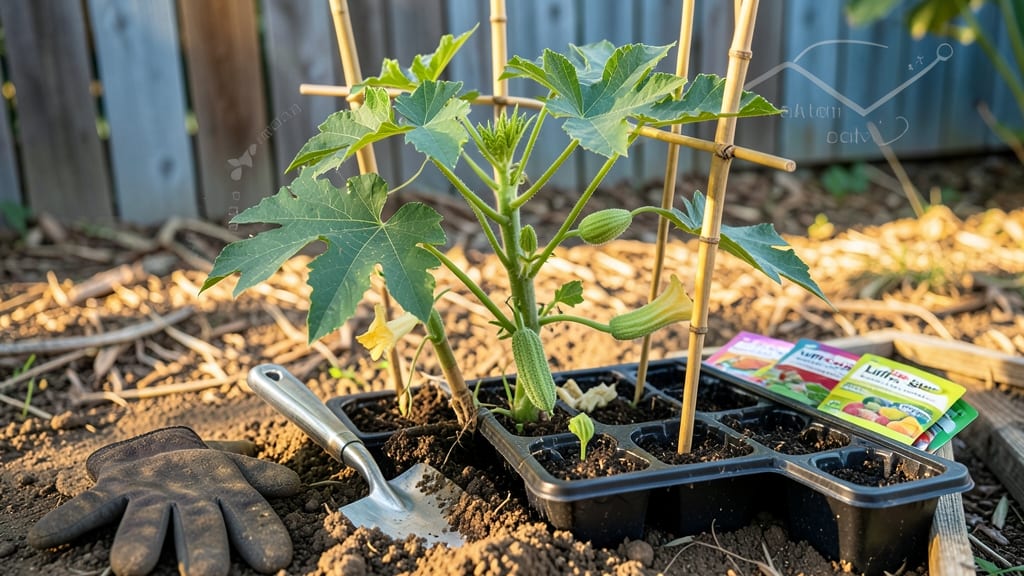
Texas heat-Zone planting calendar: best months for luffa seeds by region
Texas’ diverse climate—from North Texas’ chilly winters to South Texas’ scorching summers—means one-size-fits-all advice won’t work for luffa seeds. These tropical vines need consistent warmth (75°F+ soil) to germinate, but frost will kill them instantly.
Below, I’ll break down the exact planting windows for your region, including last frost dates and heat tolerance thresholds to avoid costly mistakes.
Luffa thrives in USDA zones 8a–11, but even within Texas, microclimates vary wildly. For example, North Texas (zone 8a) has a 240-day frost-free window, while South Texas (zone 11) enjoys 365+ frost-free days.
Planting too early in cooler zones risks frost damage, while delaying in hotter zones shortens the growing season. Let’s dive into the region-specific timelines that’ll give you the best harvest.
For North Texas gardeners, the April 15–May 15 window is critical. Planting earlier risks late frost (common until May 1 in Dallas), while delaying past May 15 shortens the 180-day growth cycle needed for harvest.
I’ve lost entire luffa plants to unexpected April freezes, so I now wait until May 1 in Lubbock unless I’m using row covers.
In Central Texas, the March 15–April 30 window aligns with consistent 70°F+ soil temps. Austin’s unpredictable spring storms make early March risky, but by April, the threat of frost drops to 5%.
I’ve found that staggered planting (e.g., March 15 + April 15) extends harvests from August to October.
South Texas gardeners have the luxury of early planting (February 1–March 15), but summer’s 100°F+ heat can stress vines by June. To avoid heat shock, I plant shade cloth
Texas heat-Zone planting calendar: best months for luffa seeds by region
Texas’ diverse climate zones—from North Texas’ chilly winters to South Texas’ scorching summers—create wildly different planting windows for luffa seeds. In USDA Zone 8a (like Dallas or Fort Worth), you’ll need to wait until mid-April after the last frost (typically February 15).
Meanwhile, South Texas gardeners in Zone 10a (Houston, Corpus Christi) can start as early as late February, when soil temperatures hit 70°F+. The key? Soil temperature, not just air temperature—luffa seeds won’t germinate below 75°F.
For Central Texas (Austin, San Antonio, USDA 8b-9a), aim for March 15–April 15. This balances the risk of late frosts (which can still dip below 28°F in March) with the need for long, hot summers to mature fruit.
Pro tip: Use a soil thermometer to confirm readiness—75°F+ is non-negotiable for germination. Skipping this step often leads to failed sprouts or stunted vines.
| Texas Region | USDA Zone | Last Frost Date | Ideal Planting Window | Soil Temp Threshold |
|---|---|---|---|---|
| North Texas (Dallas, Fort Worth) | 8a | February 15 | April 15–May 1 | 75°F+ |
| Central Texas (Austin, San Antonio) | 8b–9a | February 1 | March 15–April 15 | 75°F+ |
| South Texas (Houston, Corpus Christi) | 10a–11 | January 15 | February 15–March 15 | 70°F+ (earlier starts) |
| West Texas (El Paso, Midland) | 7b–8a | February 28 | May 1–June 1 (short season) | 80°F+ |
One critical mistake I see in Texas gardens? Planting luffa too early in North or West Texas and hoping for the best. The vines won’t survive if nighttime temps dip below 50°F, even if the soil is warm.
Instead, use staggered planting: Sow a few seeds every 2 weeks from your region’s ideal window to extend your harvest. This works especially well in Central Texas, where summers are long but unpredictable rains can delay germination.
For South Texas, where heat arrives early, focus on shade cloth during the hottest months (June–August) to prevent fruit drop. Luffa vines thrive in 90°F+, but excessive heat stress can reduce yields. A 30% shade cloth over young plants in peak summer keeps them productive.
Pair this with deep watering (1–1.5 gallons per plant twice weekly) to mimic tropical conditions. My South Texas luffa plants hit 30 feet by August when given these adjustments!
Don’t overlook microclimates—even within cities. A Hill Country garden in Bandera (Zone 8a) might need to wait until May 1, while a valley garden just 20 miles away (like Kerrville) could plant by April 15.
Check local CoCoRaHS weather stations for hyper-local frost data. And if you’re in East Texas (Zone 8a), account for humidity: luffa hates soggy roots, so amend clay soil with compost and perlite to prevent rot.
Finally, mark your calendar for harvest timing: Luffa needs 120–180 days to mature. Planting in late April (Central Texas) means harvests in late August–October, just as temperatures start cooling. In South Texas, earlier plantings (February) yield fruit by June–July, avoiding the brutal September heat.
Time your planting so vines mature before the first frost—or risk losing your entire crop to freeze damage.