
Plants
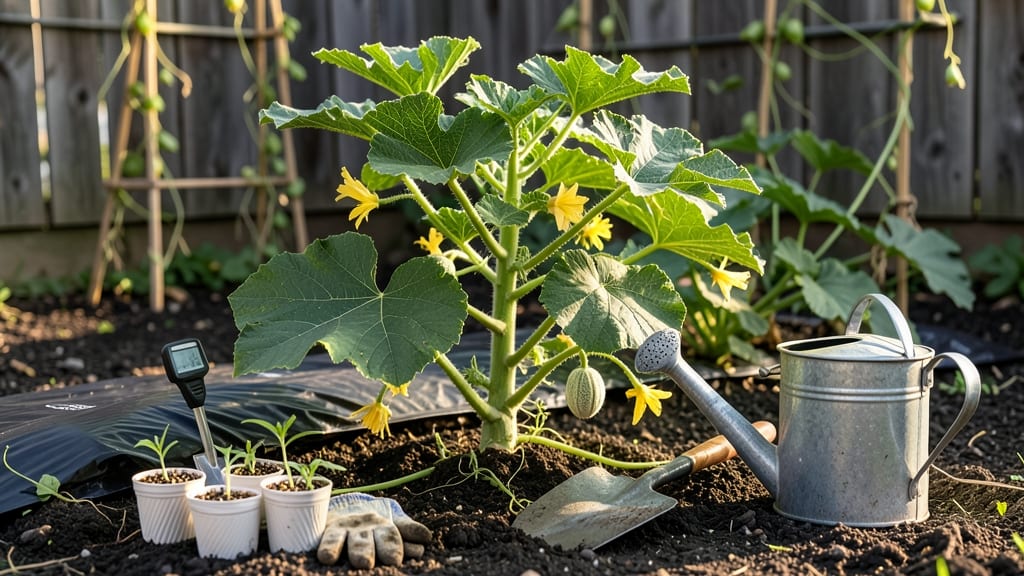
If you’ve ever planted melons in Texas only to watch them bolt into flowers before producing fruit, you’re not alone—and timing is the real culprit.
The difference between a bountiful harvest and wasted effort often comes down to knowing exactly when to plant melons in Texas, where heat zones and frost dates create a narrow window for success.
Texas gardeners face a unique challenge: plant too early, and a late frost can wipe out tender seedlings; too late, and the relentless summer heat sends vines racing toward flowers instead of fruit.
The key is understanding your specific heat zone and soil temperature triggers, which can vary dramatically from North to South Texas.
I’ve tested melon varieties across different regions, and what I’ve learned will help you avoid common mistakes like premature bolting or stunted growth.
Whether you’re starting seeds indoors or transplanting seedlings, this guide breaks down the optimal planting timeline for your area—so you can enjoy sweet, ripe melons all summer long.
From selecting heat-tolerant varieties to adjusting for early spring or late summer plantings, we’ll cover everything you need to turn your melon patch into a thriving, zero-bolt success. Let’s get started!
Texas melon planting calendar by heat zone (avoid bolting & frost)
Texas' 9 heat zones (A1–B3) create wildly different melon-growing conditions—what works in El Paso (Zone B3) will fail in Dallas (Zone A2) if planted at the wrong time. The key?
Aligning your soil temperature with your last-frost date while avoiding those dreaded 90°F+ heat spikes that trigger bolting. Let’s break it down by zone so you can plant with confidence.
Most Texas melons thrive when soil hits 70°F+—that’s your go signal. In North Texas (Zones A1–A3), wait until mid-April to May for spring plantings, while South Texas (Zones B1–B3) can start as early as late February.
Fall plantings? Aim for July–August in cooler zones or June in the Deep South to beat the summer heat.
🌱
Pro tip: Use a soil thermometer to confirm readiness—melon seeds won’t germinate below 60°F, and vines will bolt prematurely if soil is too hot (90°F+).
In Zone A1, I’ve seen melons bolt in 3 weeks if planted too early, while Zone B3 gardeners can stretch their season with fall plantings.
For urban gardeners with limited space, prioritize bush varieties like 'Sugar Baby' (watermelon) or 'Minnesota Midget' (cantaloupe), which mature faster and handle container growing better than vining types. In rural plots, opt for heirlooms like 'Crenshaw'—they’re heat-tolerant but need more space.
🌡️
Texas’ unpredictable spring weather is the real villain—one day 50°F, the next 95°F. To hedge your bets, I recommend staggered plantings: Sow half your seeds at the ideal time, then follow up in 2 weeks if conditions stabilize. This spreads your harvest window and reduces bolting risk.
Watering strategy matters too: Deep, infrequent watering (1–2 inches per week) encourages strong roots, while shallow, frequent watering stresses plants and triggers bolting. Use drip irrigation or soaker hoses to keep foli
Texas melon planting calendar by heat zone (avoid bolting & frost)
Texas’ 9 heat zones (A1–B3) create wildly different planting windows for melons. In North Texas (A1), where frost lingers until mid-April, wait until mid-May for soil temps to hit 70°F+.
Meanwhile, South Texas (B3) gardeners can start as early as late February—but watch for unpredictable heat spikes that trigger bolting.
For spring plantings, aim for 2–4 weeks after your last frost date, but never before soil reaches 65°F. Fall plantings? Late summer is your second chance—sow seeds 60–75 days before first frost (usually October in most zones).
Pro Tip: Use a soil thermometer to confirm readiness. Melon seeds won’t germinate below 60°F, and vines struggle in cool nights (<50°F).
| Heat Zone | Last Frost Avg. | Spring Plant Window | Fall Plant Window | Soil Temp Goal |
|---|---|---|---|---|
| A1 (North TX) | Mid-April | Mid-May – Early June | Late July – Early Aug. | 70°F+ |
| A2 (Central TX) | Early April | Late April – Mid-May | Mid-July – Late July | 68°F+ |
| B3 (South TX) | Late Feb – Early March | Late Feb – Early April | Mid-Aug – Sept. | 65°F+ |
*Adjust for microclimates—urban areas may need 1–2 weeks later due to heat islands.
In East Texas (A3), where humidity spikes early, opt for shade cloth during seedling stages to prevent fungal diseases. Meanwhile, West Texas (B2) gardeners should focus on drought-tolerant varieties like ‘Sugar Baby’ watermelon, which thrives in 90°F+ temps.
For container growing, start seeds indoors 4–6 weeks before your zone’s last frost. Use biodegradable pots to avoid root disturbance when transplanting. Melons need spacious containers (20+ gallons) and trellising to save space.
Remember: Watermelons mature fastest (60–70 days), while honeydews take 80–90 days. Time your fall plantings accordingly to avoid first-frost losses. 🌱