
Plants
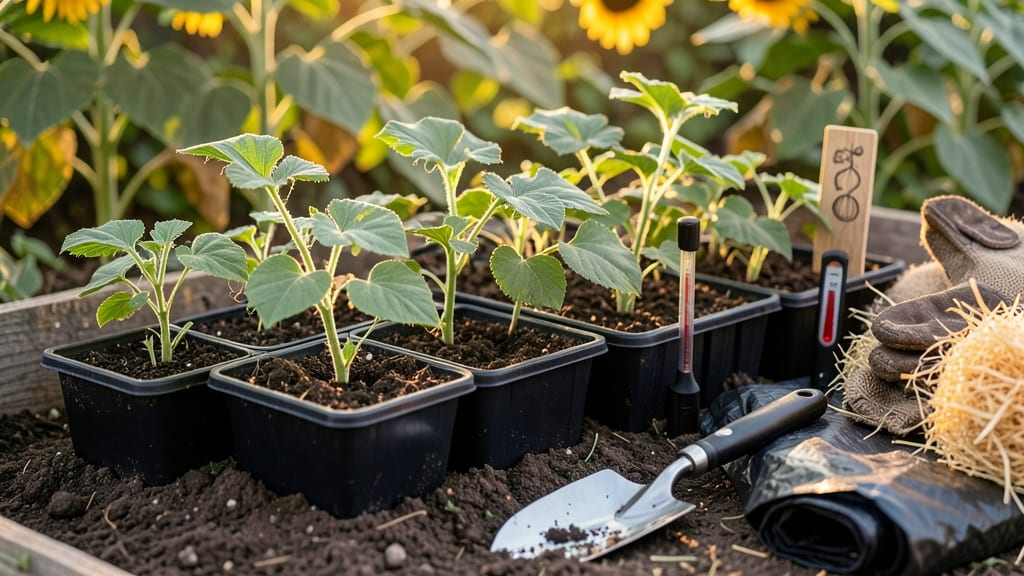
Knowing when to plant melons in Zone 7 can mean the difference between juicy, vine-ripened 🍉 and bitter, underdeveloped fruit. The secret lies in waiting for that perfect window—after the last frost but before summer’s scorching heat sets in.
In Zone 7, where spring arrives with unpredictable swings, timing is everything. Plant too early, and a late frost could wipe out your seedlings. Too late, and your melons might struggle to mature before the heat peaks.
The ideal planting window starts 2-3 weeks after your last frost date, typically mid-April to early May, when soil temperatures hit at least 70°F.
Whether you’re sowing seeds directly or transplanting young plants, this guide will help you navigate the nuances of melon planting. From choosing heat-tolerant varieties to adjusting for early or late seasons, I’ll share the exact strategies to ensure your melons thrive and ripen to perfection.
Ready to grow melons that burst with flavor? Let’s dive into the precise weeks and tips that will set your harvest up for success—no guesswork required.

Optimal melon planting weeks in Zone 7 before last frost
Zone 7 gardeners have a 6-8 week window after the average last frost date (around March 15) to plant melons for peak harvests. The key is waiting until soil temperatures hit at least 70°F—cold soil delays germination and weakens vines.
For most of Zone 7, this means aiming for mid-April to early May for direct sowing.
Transplants can go in 2-3 weeks earlier than seeds, but they still need warm soil to thrive. If you’re using hardened seedlings from a nursery, start them indoors 3-4 weeks before your target outdoor date. This staggered approach gives you flexibility if early spring stays chilly.
🌱
For direct-sown seeds, aim to plant 4-6 weeks before your first expected 90°F heatwave. Zone 7’s summer heat is crucial—melons need consistent warmth to set fruit.
If you miss this window, your harvest may be small or bitter. Use a soil thermometer to confirm readiness; seeds won’t sprout below 65°F.
If you’re in northern Zone 7 (e.g., Cincinnati, Pittsburgh), err on the later side (early May) due to cooler springs. In southern Zone 7 (e.g., Atlanta, Raleigh), you can start as early as late March under row covers to protect young plants from unexpected late frosts.
🌡️
Extend your harvest by planting every 2 weeks through late May. This staggered approach ensures a continuous supply of melons from July through September. For example, sow cantaloupes in late April, watermelons in early May, and honeydews in mid-May to maximize your garden’s productivity.
Always monitor your local microclimate. Urban areas and low-lying spots can stay 5-10°F cooler than rural zones, delaying planting by 1-2 weeks. Use a frost calendar from your local Cooperative Extension Service for precise dates tailored to your specific location.
⏰
Optimal melon planting weeks in Zone 7 before last frost
Zone 7 gardeners have a short but sweet window to plant melons—typically 2-4 weeks after your average last frost date. For most of Zone 7, this lands in mid-April to early May, but exact timing depends on your specific microclimate.
Melons are heat-loving plants that won’t tolerate cold soil, so rushing them can stunt growth or invite disease. Aim for soil temperatures above 70°F before planting, as cooler temps delay germination and weaken vines.
Direct sowing is the best method for melons in Zone 7, as they hate transplant shock. Start seeds indoors 3-4 weeks before your target outdoor planting date if you’re using transplants, but harden them off carefully.
For most gardeners, this means late March to early April for indoor starts, with outdoor moves in mid-May. However, if you’re in a warmer microclimate (like coastal areas), you might push planting to early April.
🌱 Melon Planting Timeline for Zone 7
| Stage | Action | Notes |
|---|---|---|
| Soil Prep | Test soil pH (6.0-6.8) | Add compost for drainage |
| Seed Starting (Indoors) | 3-4 weeks before last frost | Use seed trays, 1" deep |
| Outdoor Planting | 2-4 weeks after last frost | Soil temp: 70°F+ |
| Harvest Window | July to September | 75-90 days after planting |
If you’re planting watermelons, opt for fast-maturing varieties like ‘Sugar Baby’ (65 days) to avoid late-season heat stress. For cantaloupes and honeydews, choose mid-season varieties like ‘Ambrosia’ (80 days) to balance ripening with Zone 7’s short growing season.
Always check seed packets for days to maturity—this tells you exactly when to plant to hit your harvest window.
Zone 7’s humidity and summer heat can stress melons if planting is off. Avoid late May plantings, as vines may struggle to mature before first frost in November.
Instead, stagger plantings every 2 weeks for a continuous harvest. For example, plant ‘Black Diamond’ watermelons in early May and ‘Crenshaw’ melons in mid-May to spread out your fruit.
Pro tip: Use black plastic mulch to warm soil faster and row covers for early plantings if frost sneaks in. These tricks can extend your planting window by 1-2 weeks without risking cold damage.
Always monitor your local frost-free date—Zone 7’s average is March 15, but your exact date may vary by 7-10 days.
Remember, melons need warmth to thrive, so don’t be tempted to plant early. Wait for consistent 70°F+ soil temps and nighttime temps above 55°F. Patience here means sweeter, larger fruit and fewer pests.
Once planted, keep soil consistently moist but not soggy—melons hate wet feet and are prone to fungal diseases in damp conditions.