
Plants
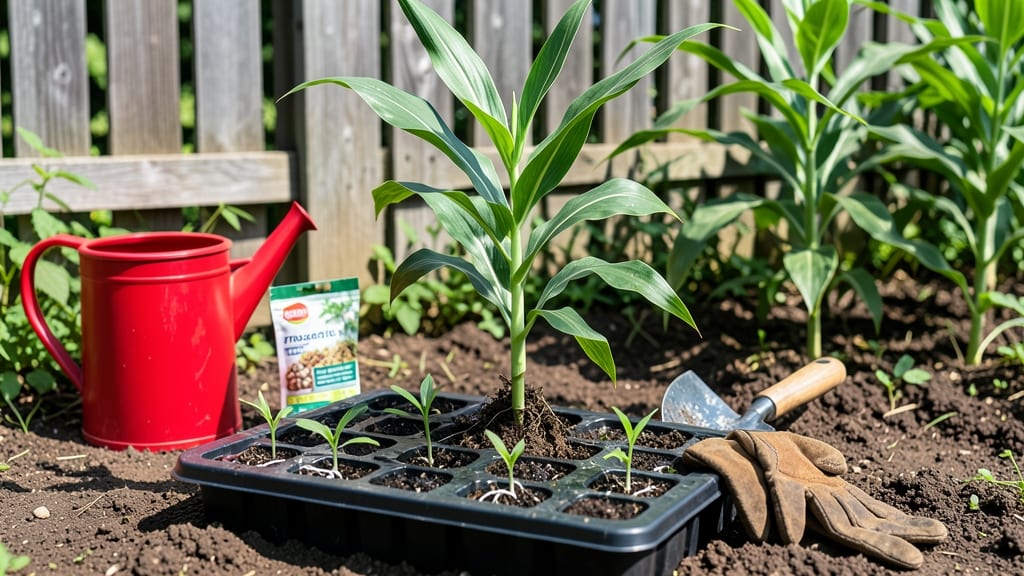
Timing when to plant mielies in South Africa just right could mean the difference between a bumper harvest and a total flop. Plant too early in frost-prone areas like Johannesburg, and your tender seedlings will wither before they even sprout.
Get the timing wrong in coastal regions like Cape Town, and you might miss the sweet spot for summer rains that make maize thrive.
I’ve seen firsthand how a single week of misjudged planting can turn a promising crop into a disappointment. Whether you’re a backyard gardener or a small-scale farmer, knowing your region’s frost-free deadlines is the key to success.
Let me show you exactly when to plant for maximum yields, based on real climate data from across the country.
From the high-altitude chill of Limpopo to the near-tropical warmth of KwaZulu-Natal, South Africa’s diverse climates demand different strategies. We’ll break down the ideal planting windows—when to start seeds indoors, when to direct-sow, and how to adjust for soil temperature.
Plus, I’ll share the best maize varieties for each season so you can pick the perfect match for your garden.
Ready to grow mielies that actually produce? Stick around—I’ll walk you through every step, from soil prep to harvest, so you can enjoy golden cobs straight from your own patch. No more guesswork, just proven results tailored to your corner of South Africa.
South Africa’s mielie planting calendar by region: frost-free deadlines
South Africa’s diverse climate means mielie planting times vary dramatically from frost-prone highlands to frost-free coastal regions. In Gauteng and Mpumalanga, for example, the last frost typically occurs around mid-September, while Western Cape gardeners can plant year-round thanks to its Mediterranean climate.
Understanding these regional differences is key to avoiding frost damage and maximizing yields.
For most South African regions, the ideal mielie planting window spans from September to March, aligning with warmer soil temperatures and reliable rainfall. However, high-altitude areas like Lesotho and parts of Free State require later planting to escape frost, often starting in October or November.
Coastal regions like KwaZulu-Natal and Eastern Cape offer more flexibility, allowing for year-round planting with proper irrigation.
Here’s a quick regional breakdown to help you plan:
| Region | Last Frost Date | Best Planting Window | Notes |
|---|---|---|---|
| Gauteng | Mid-September | September–November | Frost risk until late September; use black plastic mulch for warmth. |
| KwaZulu-Natal | None (coastal) | Year-round (peak: Sept–Feb) | High humidity; prioritize disease-resistant varieties. |
| Western Cape | None (coastal) | September–March | Drought-prone; use drip irrigation. |
| Limpopo | Late October | October–December | Hot climate; plant early to avoid heat stress. |
| Free State | Early October | October–November | Frost risk until late October; choose early-maturing varieties. |
In summer rainfall areas like Limpopo and Mpumalanga, align planting with the start of the rainy season (typically October–November) to ensure consistent moisture. Meanwhile, winter rainfall regions such as the Western Cape benefit from planting in spring (September–October) to coincide with natural rainfall patterns.
For high-altitude gardens above 1,500 meters, delay planting until soil temperatures reach at least 15°C (use a soil thermometer to check). In these areas, early-maturing varieties like PAN 6195 or SC 513 are ideal to avoid late-season frost.
Always monitor frost forecasts from the SA Weather Service for real-time adjustments.
If you’re in a coastal or subtropical region, you can experiment with year-round planting, but prioritize disease prevention due to higher humidity. Use resistant varieties and space plants widely for airflow.
For inland areas, focus on soil warmth—mielies won’t germinate well in cold soil, so wait until temperatures stabilize above 20°C.
Pro tip: In Gauteng and Free State, plant a test row in late August to gauge soil warmth. If germination is slow, wait another 2–3 weeks. This small step can save your entire crop from poor establishment.
Remember, harvest timing is just as critical as planting. Mielies planted in September typically harvest in December–January, while later plantings (e.g., November) will be ready by February–March. Plan your schedule to avoid overlapping harvests and ensure freshness.
🌾
How to adjust mielie planting dates for soil temperature and rainfall
Adjusting your mielie planting schedule based on soil temperature and rainfall patterns can mean the difference between a thriving crop and a failed harvest. Mielies thrive in warm soil (20-25°C), so timing your planting to match these conditions is critical for strong germination and growth.
In South Africa, soil temperatures vary dramatically by region. Coastal areas like the Western Cape warm up faster in late August, while high-altitude regions like Lesotho or the Drakensberg may need to wait until mid-October to avoid frost damage.
Always check soil warmth before planting—use a simple soil thermometer or the "back of your hand" test.
Rainfall also plays a huge role. In summer rainfall areas (e.g., Limpopo or Mpumalanga), plant when the first rains arrive, typically September-October. For winter rainfall regions (like parts of the Western Cape), rely on irrigation and plant in spring (August-September) when temperatures rise.
- 🌡️ Soil Temp Check: Wait until soil reaches 20-25°C (use a thermometer or press your hand into the soil—it should feel warm, not cold).
- 🌧️ Rainfall Timing: Plant when 3-4 weeks of reliable rain or irrigation is guaranteed.
- ⏰ Frost Risk: Avoid planting before your region’s last frost date (e.g., July 15 in Johannesburg).
- 🌱 Seed Depth: Plant seeds 2.5-5 cm deep in warm, moist soil for best germination.
If you’re planting in dryland conditions, prioritize soil moisture retention by adding compost or mulch before sowing. In irrigated areas, ensure your system is fully functional before planting—mielies need consistent water during critical growth stages like tasseling and ear development.
Pro tip: Use a planting calendar tailored to your region (available from local agricultural extensions) to fine-tune your schedule. For example, in KwaZulu-Natal, early varieties can be planted as soon as September 1, while late varieties may go in until mid-November.
Finally, monitor weather forecasts for unexpected cold snaps or droughts. Flexibility is key—if temperatures drop unexpectedly, cover young plants with agricultural fleece to protect them until they’re established. With the right adjustments, you’ll set your mielies up for a high-yield, stress-free harvest.