
Trees
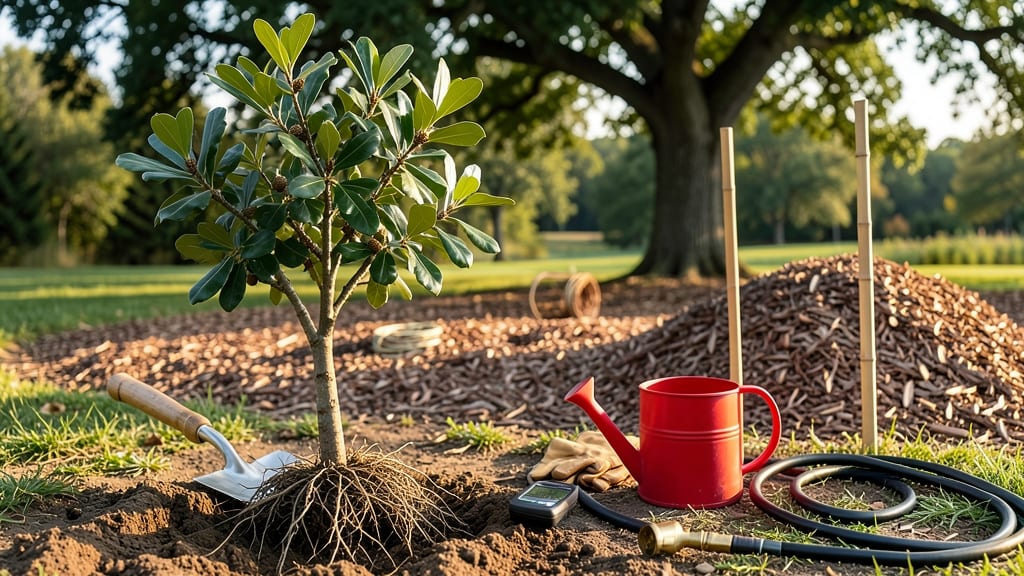
Planting an oak tree 🌳 in Texas isn’t just about timing—it’s about giving your tree the best shot at thriving in the state’s brutal heat and unpredictable weather patterns.
Get the months wrong, and you risk stunted growth or even failure, especially when Texas summers can turn your young sapling into a crispy snack.
Texas gardeners know the stakes: fall (October-December) and early spring (February-March) are your golden windows for planting. These months offer cooler temperatures, which help roots establish before the scorching sun kicks in.
But here’s the catch—North Texas has different frost risks than South Texas, and your soil prep could make or break your oak’s survival.
I’ll break down the best months by region, including how to prep your soil and avoid common mistakes that kill young oaks.
Whether you’re planting a Live Oak in Houston or a Shumard Oak in Dallas, these insights will help you skip the guesswork and get it right the first time.
Let’s dive into the science-backed strategies that’ll have your oak tree growing strong for decades—no more second-guessing when to dig that hole.
Best planting months for oak trees in Texas by region (with climate data)
Texas’s diverse climate means oak trees planted in North Texas face different risks than those in South Texas. The key is planting when soil temperatures are cool but not freezing, and rainfall patterns support root growth.
For most Texas regions, fall (October-December) and early spring (February-March) are your best bets—but timing shifts slightly depending on where you live.
In North Texas (USDA Zones 8a-8b), where last frosts can hit as late as February 15, aim to plant bare-root saplings between October 15 and December 15. This window lets roots establish before winter dormancy.
Meanwhile, South Texas (Zones 9a-10b) gardeners can plant until January 15 thanks to milder winters, but avoid summer heat entirely—transplanting stress spikes when temperatures exceed 90°F.
🌳 Texas Oak Planting Guide by Region
| Region | Best Planting Window | Soil Temp (°F) | Rainfall (inches) | Key Risks |
|---|---|---|---|---|
| North Texas (Zones 8a-8b) | Oct 15–Dec 15, Feb 1–Mar 15 | 50–65°F | 2–4 inches/month | Late frosts, drought |
| Central Texas (Zones 8b-9a) | Oct 1–Dec 31, Feb 15–Mar 30 | 55–70°F | 1.5–3.5 inches/month | Heat stress, clay soil compaction |
| South Texas (Zones 9a-10b) | Sep 15–Jan 15, Feb 15–Mar 15 | 60–75°F | 1–2.5 inches/month | Hurricane damage, saline soil |
Source: Texas A&M AgriLife Extension, USDA Plant Hardiness Zone Map
Why does soil temperature matter so much? Oak roots need cool but active soil to grow—below 50°F, roots slow down, and above 80°F, they burn. In Central Texas, where clay soils dominate, planting in fall gives roots time to penetrate before summer drought hits.
I’ve seen Live Oaks planted in April struggle with transplant shock when temperatures hit 100°F by June.
Texas’s unpredictable rainfall also plays a role. North Texas often sees drought conditions by late spring, so planting in fall ensures moisture is available for root establishment. Meanwhile, South Texas can experience flash floods in summer, making fall planting safer for long-term survival.
Always check local weather forecasts 2–3 weeks before planting to avoid heatwaves or storms.
If you’re planting acorns (yes, it’s possible!), timing shifts slightly. Acorns need 60–90 days of cold stratification to germinate, so collect them in fall (October-November), plant them immediately in pots with moist sand, and refrigerate until February for spring planting.
This mimics natural oak growth cycles and boosts germination rates.
One common mistake I see is planting container-grown oaks in summer. These trees are already stressed from root-bound conditions, and Texas heat accelerates decline. If you must plant in summer, choose bare-root saplings and provide daily shade cloth for the first 30 days.
I’ve had Post Oaks survive summer planting with this method, but growth is slower.
For urban gardeners, timing also depends on city water restrictions. Many Texas cities ban new tree planting during summer drought months (June–September). Check with your local water utility before scheduling—some areas require permits for large tree installations like oaks.
In Austin, for example, new oak plantings are discouraged from May 1–October 31 due to water conservation efforts.
Pro tip: Mulch heavily (3–4 inches of wood chips
How to prepare soil and site for oak tree planting in Texas heat
Texas soil can be a double-edged sword for oak trees—too much clay in North Texas or sandy loam in South Texas can both spell disaster if not amended properly.
Before planting, I always test my soil’s drainage and pH using a simple kit from the local Texas A&M AgriLife Extension. Oaks prefer a slightly acidic pH (5.5-7.0), but our native soils often lean alkaline.
Start by removing any grass or weeds from the planting area, digging a hole twice as wide as the root ball but only as deep. This prevents root suffocation from being buried too deep.
The topsoil you remove should be mixed with compost or aged manure to improve water retention and nutrient content.
For clay-heavy soils, incorporate organic matter like peat moss or coarse sand to break up compaction. In sandy soils, add hydrated lime or gypsum to improve moisture retention. I’ve seen oaks planted in unamended Texas soil struggle with nutrient leaching during our brutal summers.
Position your oak tree in a spot with full sun exposure (6+ hours daily), but avoid areas prone to standing water after rain. Texas’ erratic weather means you’ll want to choose a location with natural windbreaks if possible—young oaks are vulnerable to drought stress and high winds.
After planting, apply a 2-3 inch layer of mulch around the base (but not touching the trunk) to conserve moisture and regulate soil temperature. I recommend pine straw or shredded bark—they decompose slowly and won’t compact like wood chips.
Finally, install a drip irrigation system if possible. Texas summers demand consistent moisture for young oaks, and manual watering can’t keep up. Aim for 10-20 gallons per watering in the first year, applied deeply but infrequently to encourage deep root growth.