
Plants
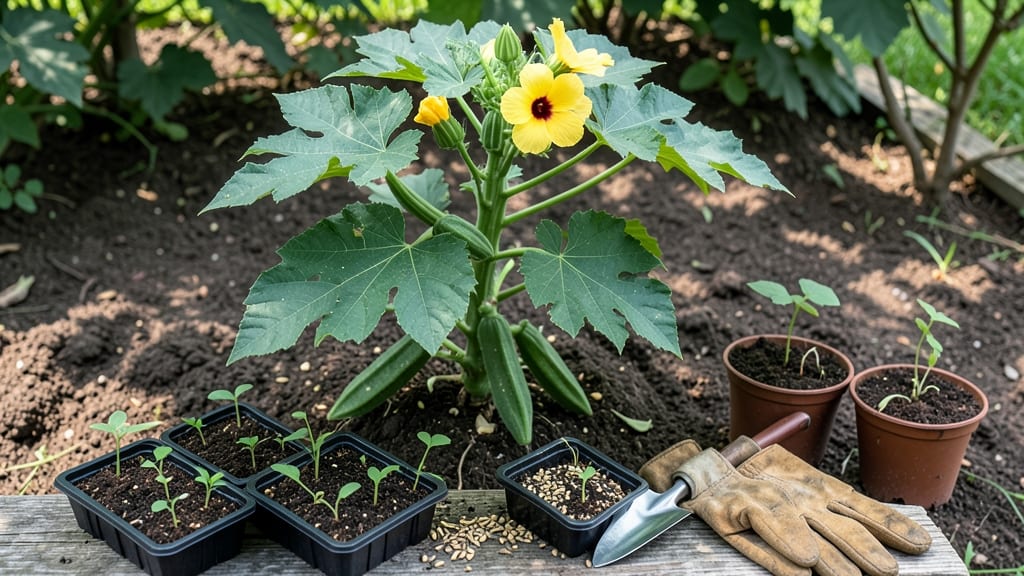
Timing your okra planting in Zone 7b can feel like playing a high-stakes game of climate roulette—get it wrong, and you might miss the sweet spot between lingering frost risks and summer’s brutal heat.
But here’s the good news: with the right schedule, you can grow 🌱 okra that thrives all summer long, from July right through October.
Most gardeners in Zone 7b wait until after the last frost (typically mid-April) but hold off until late April or early May. Why? Because okra demands warmth—soil needs to hit at least 60°F for those seeds to germinate properly.
Plant too early, and you risk stunted growth or worse, a total bust. But rush it, and you might miss the ideal window for a robust harvest.
What if I told you there’s a way to fine-tune your planting for Zone 7b’s unique quirks? Whether you’re dealing with unpredictable heatwaves or trying to stretch your growing season, the key is understanding soil temperature and choosing the right varieties.
Let’s break down the exact steps to set your okra up for success—no guesswork required.
From selecting heat-tolerant varieties to adjusting your schedule for summer’s scorching peak, you’ll learn how to turn Zone 7b’s challenges into a high-yielding okra harvest. Ready to dig in? Let’s get started.

Optimal planting windows for okra in Zone 7b based on soil temperature
Okra thrives in Zone 7b’s warm summers, but timing is everything—plant too early, and late frosts can kill seedlings; too late, and scorching heat may stunt growth.
The key is waiting for soil temperatures to hit 70°F+, which typically aligns with late April to early June in most of Zone 7b.
In my experience, May is the sweet spot for planting okra in Zone 7b. This window balances warm soil (ideal for germination) with mild daytime temps (protecting young plants from heat stress).
For example, in Atlanta, GA, average soil temps hit 70°F by mid-May, while Raleigh, NC may need to wait until late May.
If you’re eager to start earlier, consider starter plants instead of seeds. Seedlings can handle slightly cooler soil (60°F+) and give you a 2-3 week head start on the growing season. Just be prepared to protect them with row covers if a late frost sneaks in.
Here’s the critical rule: Never plant okra when nighttime temps dip below 55°F. Okra is a tropical plant at heart, and cold snaps will stall germination or cause black mold on seedlings. Use a soil thermometer to confirm temps before planting—it’s the most reliable way to avoid mistakes.
🌱 Okra Planting Timeline for Zone 7b
| Stage | Action | Soil Temp | Notes |
|---|---|---|---|
| Prep Soil | Test pH (6.0-6.8), add compost | 55°F+ | Do 4-6 weeks before planting |
| Sow Seeds Indoors | Start 4-6 weeks before last frost | 65°F+ | Use heat mat for faster germination |
| Transplant Outdoors | Late April–early June | 70°F+ | Hardening off required |
| Direct Sow Outdoors | After last frost, May–June | 75°F+ | Plant 1" deep, 12" apart |
| Second Planting | July for fall harvest | 80°F+ | Use heat-tolerant varieties |
For those in Zone 7b’s northern edge (e.g., Roanoke, VA), aim for late May to avoid May frosts. Meanwhile, southern Zone 7b (e.g., Birmingham, AL) can plant as early as mid-April if soil is warm enough.
Always check your local frost dates—they vary even within the same zone!
Pro tip: If you’re succession planting for a continuous harvest, sow a second batch in July. Okra grows surprisingly well in late summer if given consistent water and mulch to retain moisture. Just avoid planting after mid-August, as pods may not mature before first frost.
One common mistake I see is planting okra too close to summer’s peak. By July, Zone 7b can hit 90°F+ days, which stresses young plants.
Instead, give them 4-6 weeks to establish roots before the hottest months arrive. This means May planting is ideal for a July harvest.
Finally, remember that okra is heat-loving but drought-sensitive. While it can tolerate high temps, it won’t forgive neglect. Pair your planting schedule with a watering plan—deep watering every 3-4 days during dry spells is non-negotiable for Zone 7b’s summer droughts.
Optimal planting windows for okra in Zone 7b based on soil temperature
Okra thrives in warm weather, but planting too early in Zone 7b risks frost damage, while waiting too long may shorten your harvest. The key is timing it with soil temperatures above 70°F—a threshold okra simply won’t tolerate.
In my experience, this usually aligns with late May to early June for most of Zone 7b, but local microclimates can shift this window by 2-3 weeks.
For direct sowing, aim for 2-4 weeks after your last frost date (typically April 15 in Zone 7b). If you’re starting seeds indoors, begin them 4-6 weeks before transplanting—usually by mid-April. Remember, okra seeds need warmth to germinate, so never plant before the soil reaches 60°F.
🌱 Okra Planting Timeline for Zone 7b
| Stage | Action | Soil Temp |
|---|---|---|
| Start Seeds Indoors | Mid-April | N/A |
| Transplant Seedlings | Late May | 60°F+ |
| Direct Sow Outdoors | Early June | 70°F+ |
| First Harvest | July-August | N/A |
If you’re in a cooler microclimate within Zone 7b (like higher elevations), push planting back to early June to avoid frost. Conversely, in warmer pockets, you can start as early as late April if nighttime temps stay above 55°F. Always check your local frost-free date and adjust accordingly.
Pro tip: Use a soil thermometer to confirm readiness. Okra seeds won’t germinate below 60°F, and slow growth below 70°F can delay your harvest by weeks. I’ve seen seedlings struggle in Zone 7b’s cooler springs, so don’t rush—patience pays off with a longer harvest window.
For a second planting, sow a fresh batch in late July to extend your harvest into October. This works well if your first crop bolts early due to heat stress. Just ensure you have enough space—okra plants need 18-24 inches apart in rows 3 feet apart.
Finally, monitor your local heatwave forecasts. Okra can handle 90°F+ temps, but prolonged drought or extreme heat may stress plants. Mulching with straw or black plastic helps retain moisture and regulate soil temps, giving your okra the stable conditions it craves.