
Plants
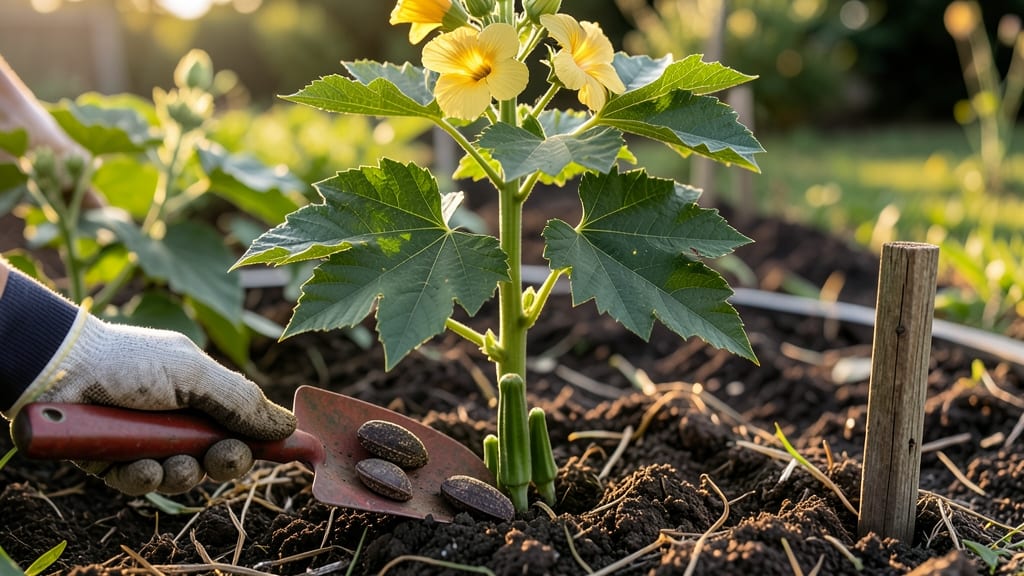
If you've ever planted okra seeds in North Carolina only to watch them wilt under unexpected chilly nights, you're not alone.
The key to a thriving 🌱 okra harvest lies in understanding when to plant okra seeds in NC—and it’s not as simple as dropping seeds into the ground after spring arrives.
Okra loves heat, so planting too early can mean stunted growth or even total crop failure. But timing it just right—after the last frost when soil temps hit at least 60°F—sets your garden up for success.
Whether you're in the Piedmont or Coastal Plain, knowing your zone’s frost dates is the game-changer between a bountiful harvest and bitter disappointment.
In this guide, I’ll break down the perfect planting window for NC’s 7a-8b zones, plus pro tips to extend your growing season. You’ll learn how to avoid common mistakes, like planting too late or ignoring soil warmth, and discover when to expect those first juicy pods from July to October.
Ready to turn your okra dreams into reality? Let’s dive into the heat-loving schedule that keeps your plants happy—and your dinner plate full.
NC okra planting dates by last frost timeline: avoid frost zones 7b-8a
North Carolina’s USDA Zones 7b-8a create a perfect climate for okra, but timing is critical. Okra seeds need soil temperatures of 60°F+ to germinate, and frost-free conditions to thrive. Planting too early risks stunted growth or death, while waiting too long shortens your harvest window.
In most of NC, the last frost date falls between mid-March and early April, but coastal areas like Wilmington can be frost-free by mid-February. Piedmont regions like Raleigh typically wait until late April. Always check your local NC State Climate Office for precise dates.
Okra is a warm-season crop, meaning it cannot tolerate cold. Even a light frost will kill seedlings. For best results, aim to plant seeds 2-3 weeks after your last frost date, when nighttime temperatures consistently stay above 50°F.
Here’s a regional breakdown of ideal planting windows to maximize your okra harvest:
| Region | Last Frost Date | Ideal Planting Window | Harvest Window |
|---|---|---|---|
| Coastal Plain (Wilmington, Fayetteville) | Mid-February | March 15 - April 15 | June - October |
| Piedmont (Raleigh, Greensboro) | Late March | April 15 - May 1 | July - September |
| Mountains (Asheville, Boone) | Early April | May 1 - May 15 | August - September |
🌱 Note: Adjust dates 1-2 weeks earlier for coastal areas and later for higher elevations.
Okra seeds germinate best in warm soil, so consider using black plastic mulch or a cold frame to speed up soil warming if you’re in a cooler zone.
Plant seeds ½ inch deep and space them 12-18 inches apart, as okra plants grow tall and need room to thrive.
If you’re unsure about your last frost date, use biodegradable seed starter pots to begin seeds indoors 4-6 weeks before your target outdoor planting date. Transplant seedlings outdoors only after the soil has warmed to 70°F+ and nighttime temperatures stay above 55°F.
For a longer harvest season, consider planting two successions: one in early spring (coastal areas) and another in late spring (Piedmont/mountains). This ensures fresh pods from June through October, even if your first planting bolts early.
Remember, okra is heat-tolerant but not drought-resistant. Once planted, maintain consistent moisture—especially during flowering—to encourage pod development. Mulch around plants to retain soil moisture and regulate temperature.
Pro tip: Use a soil thermometer to confirm soil temps before planting. Okra seeds won’t germinate in cold soil, no matter how patient you are! 🌡️
NC okra planting dates by last frost timeline: avoid frost zones 7b-8a
North Carolina’s USDA Zones 7b-8a offer perfect conditions for okra—but only if you plant at the right time. Okra is a heat-loving annual that won’t tolerate frost, so timing your seeds after the last average frost date (typically mid-April in most regions) is critical.
Planting too early risks cold damage, while waiting too long may shorten your harvest window.
For Piedmont and Coastal Plain regions, aim to sow okra seeds between April 15 and May 15, when soil temperatures consistently stay above 60°F. In mountainous areas (Zone 7a), wait until late May to avoid late spring frosts that can kill young seedlings.
| Region | Last Frost Date | Ideal Planting Window | Soil Temp Requirement |
|---|---|---|---|
| Coastal Plain | Mid-March | April 15 - May 1 | 60°F+ |
| Piedmont | Late March | April 20 - May 10 | 65°F+ |
| Mountains (Zone 7a) | Early May | Late May - June 1 | 70°F+ |
Okra seeds germinate best in warm soil, so use a soil thermometer to confirm temperatures are 70°F or higher before planting. If your soil is too cool, try black plastic mulch to speed up warming.
In Zone 8a, you can even plant okra as early as April 1 if you use row covers to protect seedlings.
For continuous harvests, consider planting okra in two batches: the first in early May and the second in late June. This ensures you have fresh pods from July through October, when NC’s summer heat peaks.
Just remember, okra grows fastest in temperatures above 85°F, so late plantings may produce faster but shorter harvests.
If you’re in doubt about your local frost dates, check the NC State Climate Office or use a frost calendar app to pinpoint the safest planting window. Okra is forgiving once established, but getting the timing right from the start means bigger yields and happier meals all summer long.
Pro tip: Mark your calendar for June 15—this is the absolute latest you should plant okra in most of NC to ensure pods mature before the first frost in November. Don’t wait any later, or you’ll miss the boat!