
Plants
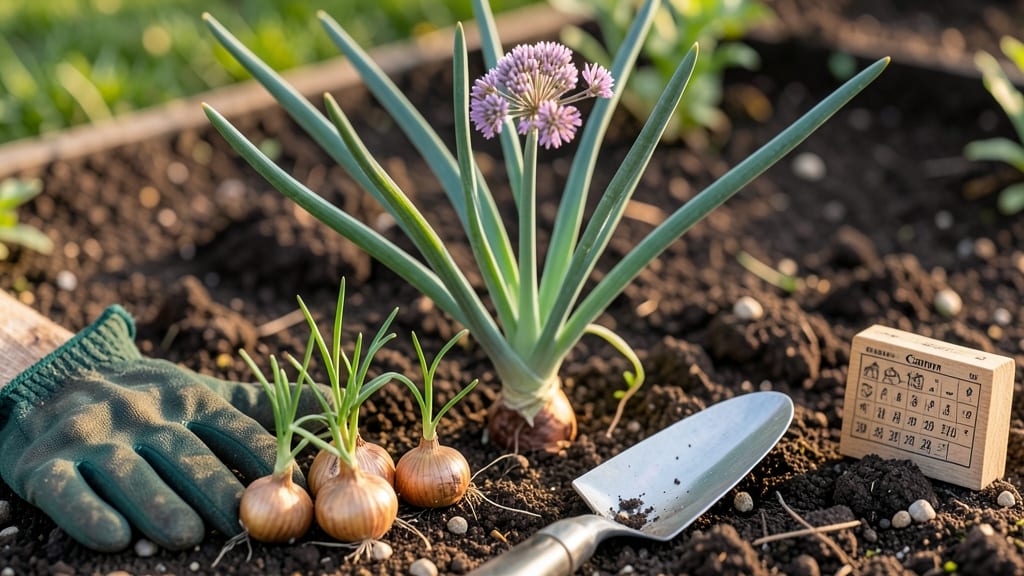
Timing your 🧅 onion planting in Seattle isn’t just about the calendar—it’s about outsmarting the Pacific Northwest’s fickle weather. Plant too early, and you’ll risk bolting; too late, and your harvest might never reach its full potential.
The key to zero-bolt, high-yield onions lies in two perfect windows: early spring or late summer.
Seattle’s USDA Zone 8a climate gives you two chances to grow sweet, flavorful onions without the frustration of premature flowering. Whether you’re a seasoned gardener or just starting, knowing when to plant—March-April or August-September—makes all the difference.
This isn’t just about following a rule; it’s about unlocking the best possible harvest for your local conditions.
I’ve tested both planting strategies here, and the results speak for themselves. Spring-planted onions mature just in time for summer cooking, while fall sets store well for winter meals.
But here’s the secret: adjusting for Seattle’s rainy seasons and chill factors is what separates a good harvest from a great one.
Ready to discover the exact steps for planting onions that thrive in Seattle’s climate? Let’s dive into the perfect timing, soil prep, and pro tips that’ll have you harvesting plump, flavorful bulbs all season long.
Seattle’s onion planting calendar: exact months for zero-bolt success
Seattle’s cool, wet climate demands precise timing to grow onions without bolting. The key is planting when soil temps hit 40°F (4°C) but before spring heat triggers flowering. For spring onions, aim for March to early April—just as daylight stretches but before April showers turn relentless.
Fall planting offers a second chance: August to mid-September lets onions mature before winter slows growth. This method produces sweeter, milder bulbs thanks to Seattle’s chill factor. Just avoid planting after September 20th, when frost risks rise and bulbs won’t fully develop.
Here’s the golden rule: Count back 120 days from your first frost (typically November 15th in Seattle). If you plant sets (small bulbs), do it 4-6 weeks before last frost (around March 1st). For seeds, start indoors 8-10 weeks before transplanting (early February).
Seattle’s microclimates add complexity. Urban areas like Ballard or Fremont stay slightly warmer, while Snoqualmie Pass zones frost earlier. Adjust planting dates 1-2 weeks earlier in cooler spots or delay by 1 week near Lake Washington, where heat islands linger.
Daylight length also matters. Onions need 12-14 hours of daylight to form bulbs. In Seattle, this happens naturally by late March, but supplemental grow lights can help if you’re pushing early starts. Avoid planting before February 20th, or your onions may bolt prematurely.
| Planting Window | Method | Soil Temp | Notes |
|---|---|---|---|
| March 1–15 | Sets or seeds | 40–45°F (4–7°C) | Best for spring harvest; avoid if soil is soggy. |
| March 16–April 5 | Sets only | 45–50°F (7–10°C) | Ideal for zero-bolt success; protect from rain. |
| August 1–15 | Sets or seeds | 50–55°F (10–13°C) | Fall crop; harvest before first frost. |
| August 16–September 10 | Sets only | 55–60°F (13–16°C) | Best for sweeter onions; mulch heavily. |
| September 11–20 | Sets (risky) | 50°F+ (10°C+) | Only for green onions; bulbs won’t mature. |
Local gardeners swear by St. Patrick’s Day (March 17th) as a traditional planting date. While not scientifically proven, this timing aligns with Seattle’s average last frost and gives onions enough time to bulk up before summer heat.
For green onions, you can plant year-round, but they’ll bolt faster in long daylight.
Soil preparation is non-negotiable. Test your soil pH—onions thrive at 6.0–7.0. Amend with compost or aged manure to improve drainage, especially in clay-heavy Seattle soils.
Raised beds work wonders if your yard stays waterlogged after winter rains. Mulch with straw to keep soil temps stable and weeds at bay.
Pro tip: Chill onions for 4–6 weeks at 40°F (4°C) before planting to mimic Seattle’s winter. This trick prevents bolting and jumpstarts growth. Store sets in the fridge or a cool garage until planting time. For seeds, stratify them for 2 weeks in damp paper towels before sowing.
Remember, Seattle’s weather is unpredictable. Keep a planting journal to track your success. If you miss the ideal window, don’t despair—green onions or shallots are more forgiving and can be planted later in the season. With these dates, you’ll be feasting on homegrown onions by midsummer! 🧅
How to adjust onion planting for Seattle’s rainy seasons and chill factors
Seattle’s cool, wet climate demands extra care when growing onions. Too much rain can lead to rot or fungal diseases, while sudden warmth triggers bolting. The key is balancing moisture control and temperature adjustments to keep your onions thriving.
Start by raising beds or using containers to improve drainage. Seattle’s acidic soil (pH 5.0–6.5) also needs amending with compost or lime to create the ideal 6.0–7.0 pH range for onions. This prevents nutrient deficiencies that weaken plants during rainy spells.
🌱 Did You Know? Seattle’s winter chill actually sweetens onion flavors! Plant short-day varieties in late summer (August–September) to leverage this natural process before harvest.
⚠️ Warning: Avoid These Mistakes
❌ Overwatering: Seattle’s 150+ rainy days make excess moisture deadly. Use drip irrigation or mulch heavily to control soil saturation.
❌ Planting too early: Spring frosts (March–April) can stunt growth. Wait until soil temps reach 40°F+ before sowing seeds or sets.
❌ Ignoring bolting signs: If daylight stretches past 14 hours (late spring), onions bolt. Use shade cloth (30%) to extend harvest windows.
For fall-planted onions, focus on cold-hardy varieties like ‘Texas Early White’ or ‘Candy’. These handle 32°F nights without damage, while spring-planted onions need row covers during late frosts to protect tender shoots.
Adjust watering to Seattle’s seasonal shifts: Weekly in spring, every 5–7 days in summer, and bi-weekly in fall. Always water at soil level to prevent fungal splash. A 1-inch layer of straw mulch keeps roots cool and moisture even.
Finally, harvest before rain. Onions left in soggy soil rot quickly. Cure them in a dry, shady spot for 2–3 weeks to develop papery skins—critical for storage. With these tweaks, Seattle’s climate becomes your onion-growing advantage!