
Plants
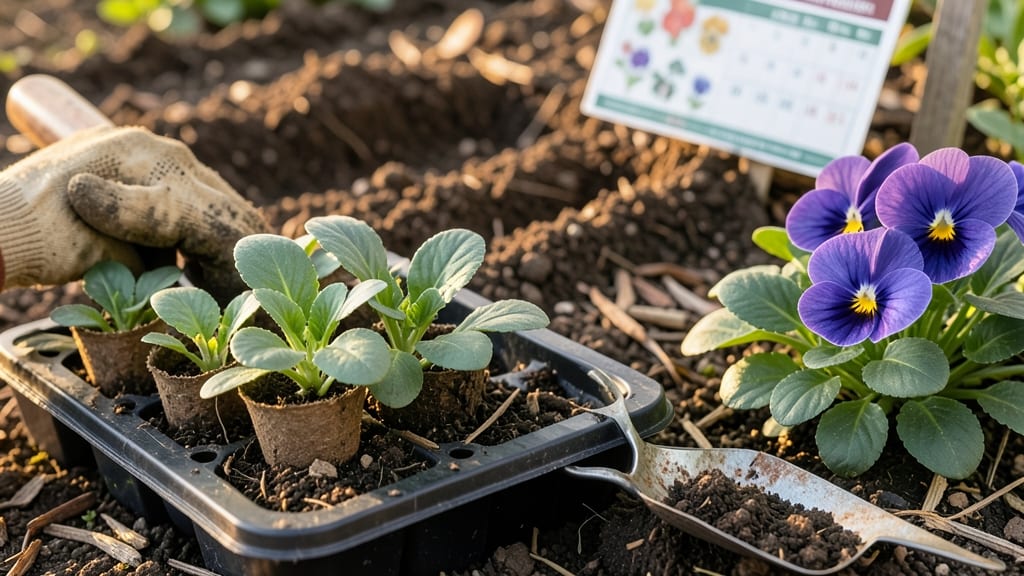
If you’ve ever planted pansies in South Carolina only to watch them struggle through the wrong season, you’re not alone. The perfect timing for these cheerful blooms is the key to vibrant, long-lasting color—whether you’re aiming for fall’s crisp air or spring’s fresh start.
Here’s the secret: Pansies thrive when planted 4-6 weeks before your first frost (typically by mid-October for most of the state) or 6-8 weeks before the last frost in early spring. Missing these windows can leave your garden with weak, leggy plants instead of the bold, cheerful blooms you love.
South Carolina’s mild winters and humid summers mean your planting strategy needs to adapt. Whether you’re tucking them into containers on a patio or planting them in-ground, the right timing ensures they’ll bloom reliably through Zone 8a’s cooler months. Let’s break down exactly when—and how—to plant for maximum impact.
From soil prep to companion plants, I’ll walk you through every step to make your pansies the star of your garden. Ready to transform your space with nonstop color? Let’s get started.
South Carolina pansy planting deadlines by season: fall vs. spring timing
Timing your pansy planting in South Carolina depends on whether you're aiming for fall blooms or spring color. The USDA Zone 7b-8a climate gives us two prime windows: late summer/fall for winter blooms and early spring for summer displays.
Missing these deadlines can leave your pansies struggling with heat stress or frost damage.
For fall planting, the sweet spot is mid-September to early October—this gives pansies time to establish roots before first frost (typically mid-January). Spring planting should happen 6-8 weeks before your last frost date (usually mid-March), giving you vibrant blooms by April or May.
Soil temperatures play a crucial role. Pansies thrive when soil stays between 45°F and 75°F. Planting too early in hot summer soil can cause root stress, while waiting too long risks frost damage before blooming. Let's break down the exact deadlines and conditions for each season.
🌸 Pansy Planting Deadlines in South Carolina
| Season | Planting Window | Soil Temp | Key Considerations |
|---|---|---|---|
| Fall | Mid-September to Early October | 50°F-65°F | Blooms through winter, avoid late planting before frost |
| Fall (Late) | Late October | 45°F-55°F | Hardier varieties only, mulch heavily for protection |
| Spring | Mid-February to Early March | 55°F-65°F | 6-8 weeks before last frost for full blooms |
| Spring (Late) | Late March | 60°F+ | Risk of summer heat stress, provide afternoon shade |
In Zone 8a, where most of South Carolina falls, the first frost typically hits around mid-January, while the last frost usually occurs by mid-March. These dates create your planting boundaries.
For fall pansies, aim to plant 4-6 weeks before frost—this gives roots time to anchor before winter chill sets in.
For spring planting, the earlier you plant, the sooner you'll see blooms. However, planting too early (before mid-February) can expose pansies to late winter freezes. A good rule of thumb is to wait until soil temperatures consistently stay above 50°F during the day.
If you're growing pansies in containers, you have slightly more flexibility. Containers warm up faster in spring and can be moved to shaded areas during summer heat. However, they also freeze faster in winter, so use heat mats or mulch heavily to protect roots during cold snaps.
Always choose South Carolina-adapted pansy varieties like 'Matrix' or 'Cool Wave', which tolerate our humid summers and mild winters better than standard types. These varieties are bred to handle 30°F temperatures without damage, making them ideal for our climate.
Pro tip: Check your local Cooperative Extension Service for microclimate adjustments. Coastal areas (like Charleston) may have warmer winters than inland regions (like Greenville), so planting dates can shift by 2-3 weeks depending on location.
Remember, pansies planted in partial shade (4-6 hours of sun) will last longer in summer heat. If planting for summer blooms, always provide afternoon shade to prevent heat stress and wilting.
How to extend your pansy season: staggered planting for nonstop color
If you want year-round pansy blooms in South Carolina, the secret is staggered planting. Instead of one big planting session, I plant mine in two strategic waves—early fall and late winter—to create a continuous color show from September through April.
This simple trick works especially well in SC’s USDA Zone 8a, where winters are mild but still have frost risks.
First, I start with early fall planting (late August to early September). This gives pansies time to establish roots before the first frost (usually mid-November). These plants will bloom through winter and into early spring, giving you color when other flowers fade.
The key is choosing cold-hardy varieties like 'Matrix' or 'Cool Wave' that can handle 25-30°F temperatures.
🌸 Numbered Highlights for Staggered Pansy Planting
- Wave 1: Plant late August–early September for fall/winter blooms. Choose cold-tolerant varieties.
- Wave 2: Plant late February–early March for spring blooms. Use heat-tolerant varieties like 'Freedom' series.
- Soil Prep: Amend with compost and slow-release fertilizer (5-10-10) before each planting.
- Spacing: Keep 8–12 inches apart for airflow and prevent disease.
- Companion Plants: Pair with salad greens or calendula to extend season and deter pests.
- Deadheading: Remove spent blooms weekly to encourage continuous flowering.
- Winter Care: Add 2–3 inches of mulch in December to protect roots from freeze-thaw cycles.
For the second wave, I plant in late February to early March, about 6–8 weeks before the last frost (usually mid-April in SC). This timing ensures the pansies bloom just as spring bulbs like tulips and daffodils fade.
I switch to heat-tolerant varieties like 'Freedom' pansies, which can handle up to 85°F without bolting.
One of my favorite tricks is interplanting pansies with other seasonal flowers. For example, I tuck them between spring bulbs in early winter or alongside summer annuals in late spring.
This creates a seamless transition between seasons and keeps your garden looking lush year-round. Just avoid planting them near tomatoes or peppers, which can compete for nutrients.
Don’t forget to rotate your pansy locations every year. Planting in the same spot annually can lead to soil-borne diseases like powdery mildew. I also fertilize lightly in early spring (using a 5-10-10 balanced fertilizer) to give them a nutrient boost without encouraging too much leafy growth.
With these strategies, you’ll have pansies blooming in every season—even in South Carolina’s humid summers!
🌿