
Plants
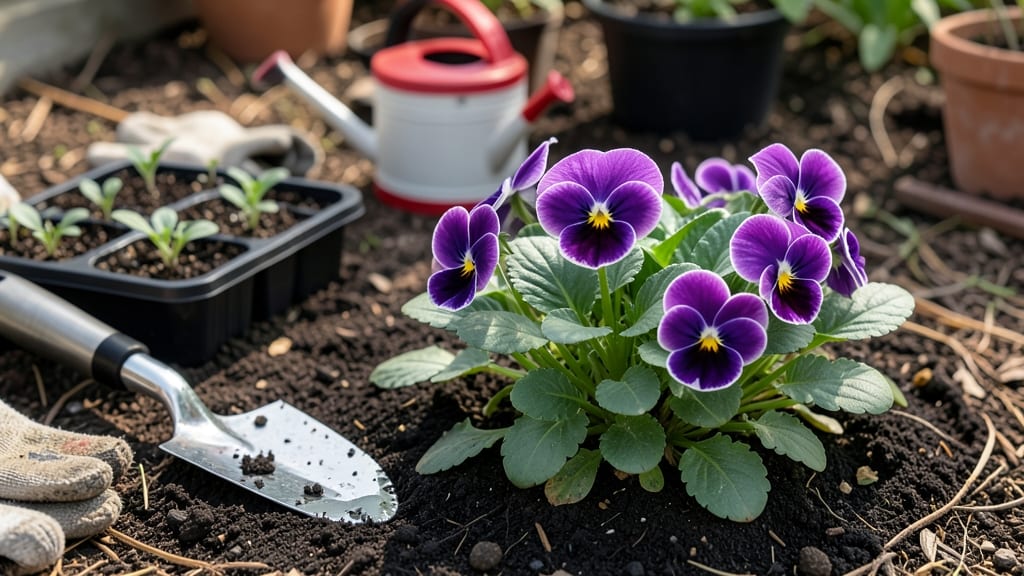
Timing your spring pansy planting can mean the difference between a vibrant, long-lasting display of 🌸 and flowers that struggle to bloom.
If you've ever planted pansies too early and watched them wilt in a late frost—or too late and missed the best blooms—you know how critical those first weeks of spring can be.
For gardeners in USDA Zone 6a, like where I live, the ideal window is early to mid-spring, but the exact dates depend on more than just the calendar.
Soil temperature, frost risk, and even your microclimate play a role in ensuring those cheerful faces pop up strong and stay that way.
I’ll walk you through the fastest, most reliable way to time your planting—whether you're a beginner or a seasoned gardener. We’ll cover zone-specific dates, how to adjust for unpredictable weather, and the simple prep work that sets your pansies up for bold, long-lasting blooms all season.
Ready to skip the guesswork and get those pansies thriving? Let’s dive into the details so you can enjoy their color from spring right through early summer.
Spring planting dates for pansies by USDA hardiness zones
Planting pansies at the right time ensures bold blooms and healthy growth throughout spring. Since pansies thrive in cool weather, timing depends heavily on your USDA hardiness zone and last frost date.
In most regions, aim to plant 4-6 weeks before the average last frost date—but this varies by zone.
For example, gardeners in Zone 3 (like Minnesota or Maine) should plant pansies as early as March, while those in Zone 8 (like Florida or Texas) can wait until late February or early March.
The key is avoiding late spring heat, which can stress pansies before they bloom.
Here’s how to align your planting with your zone for maximum bloom performance:
| Zone | Last Frost Date | Ideal Planting Window | Soil Temp Threshold | Notes |
|---|---|---|---|---|
| 3-4 | Mid-April to early May | Early March | 40-45°F | Cold-hardy varieties like 'Ice King' thrive here. |
| 5-6 | Late April to early May | Late February to early March | 45-50°F | Avoid planting too early—soil may still be frozen. |
| 7-8 | Early March to mid-March | Late January to February | 50-55°F | Heat-tolerant varieties like 'Matrix' perform best. |
| 9-10 | Mid-January to February | December to early January | 55-60°F | Plant in partial shade to prevent bolting. |
To check your last frost date, use the USDA Plant Hardiness Zone Map or local agricultural extension resources. For example, if your last frost is April 15, plant pansies by March 1-15 to ensure they establish roots before warmer weather arrives.
Pro tip: If you’re unsure about your zone, test your soil temperature with a thermometer. Pansies prefer 45-60°F soil to root effectively. If the ground is still too cold, wait another week or two.
Once planted, pansies need consistent moisture and partial shade in hotter zones to prevent wilting. Mulch around the base to retain soil moisture and regulate temperature.
In Zone 3-5, you can even plant pansies in early fall for winter blooms, but spring planting is ideal for vibrant early-season color. Just avoid planting too close to summer—pansies bolt (go to seed) when stressed by heat.
For container gardening, use well-draining pots and plant pansies 2-3 weeks earlier than in-ground plants, as containers warm up faster. This adjustment helps compensate for the microclimate differences in pots.
Finally, choose cold-hardy varieties like 'Sorbet' or 'Cool Wave' for zones 3-6, and heat-tolerant types like 'Matrix' or 'Majesty' for zones 7-10. This ensures your pansies thrive in your specific climate.
Spring planting dates for pansies by USDA hardiness zones
Timing your pansy planting to match your USDA hardiness zone ensures vibrant blooms and healthy growth. Since pansies thrive in cool weather, planting too early or late can stunt their development or expose them to frost damage.
Let’s break down the ideal planting windows by zone to help you get it right.
In Zones 3-4, where winters are harsh, pansies can handle early spring planting as soon as the soil is workable—typically late April to early May.
The last frost date is usually around May 15, so aim to plant 4-6 weeks before that date to give them time to establish roots before summer heat arrives.
| Zone | Ideal Planting Window | Soil Temp Threshold | Key Consideration |
|---|---|---|---|
| 3-4 | Late April–Early May | 45–50°F | Avoid late frosts; mulch for insulation |
| 5-6 | Early April–Mid-April | 50–55°F | Watch for false spring warmth spikes |
| 7-8 | February–Early March | 55–60°F | Heat tolerance varies by variety; choose heat-resistant types |
For Zones 5-6, where springs are milder, you can plant pansies as early as early April, but wait until the soil temperature reaches at least 50°F.
This zone often experiences false springs, so monitor weather forecasts and avoid planting if a hard frost is predicted within 2 weeks.
In warmer Zones 7-8, pansies can be planted as early as February, but focus on heat-tolerant varieties like 'Matrix' or 'Cool Wave'. These zones benefit from fall planting too, but spring planting should occur when daytime highs stay below 75°F to prevent bolting or leaf scorch.
Pro tip: Use a soil thermometer to confirm soil temperatures before planting. Pansies prefer cool roots, so avoid planting when soil exceeds 65°F, even if air temperatures seem mild. A shade cloth can help extend the planting window in hotter zones.
Once planted, maintain consistent moisture and mulch with 2-3 inches of organic mulch to regulate soil temperature and retain moisture. This keeps your pansies thriving through their 60-90 day bloom cycle.