
Plants
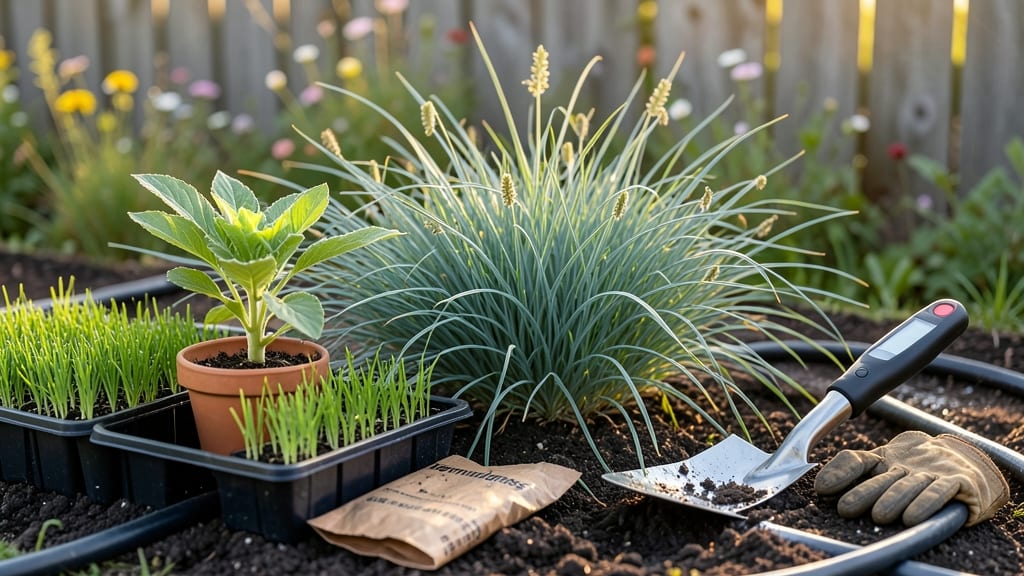
Planting pasture grass in Texas at the wrong time can mean the difference between a thriving pasture and wasted effort. The key to fast root establishment lies in understanding the ideal window—when soil temperatures are just right and rainfall patterns align with your grass type.
Whether you're in North or South Texas, timing matters more than you might think.
Most Texas landowners get it wrong by planting too early in spring or too late in summer, risking frost damage or drought stress. But when you nail the late summer to early fall window (August-October) or early spring (February-March), you set your pasture up for success.
This is when 🌱 pasture grass roots deep before winter or summer heat becomes a problem.
I’ve seen firsthand how proper timing can transform a struggling pasture into one that’s lush, drought-resistant, and ready for grazing year-round. The secret isn’t just about the calendar—it’s about preparing your soil, choosing the right seed, and knowing when to water.
Let me break down exactly what you need to do to get it right.
From soil testing to seed selection, I’ll walk you through every step to ensure your pasture grass takes root quickly and stays healthy. Whether you’re a rancher or a homesteader, these tips will save you time, money, and frustration. Let’s get started.
Best months to plant pasture grass in Texas by region
Texas’ diverse climate zones—from North Texas’ cooler winters to South Texas’ extended growing seasons—mean the best planting windows vary dramatically.
In North Texas (USDA Zones 7b-8a), aim for late February through March to avoid late frosts, while Central Texas (Zones 8a-8b) gardeners should plant between mid-February and early April.
For South Texas (Zones 9a-10b), late summer to early fall (August-October) is ideal to capitalize on warm soils and monsoon rains.
Timing isn’t just about frost—it’s also about soil temperatures. Most pasture grasses need soils at 60°F or warmer for optimal germination.
In North Texas, this typically aligns with March-April, whereas South Texas can start as early as February due to milder winters. Cool-season grasses like ryegrass thrive when planted in fall (September-October), while warm-season grasses like bermudagrass prefer late spring to summer.
Missed the spring window? Late summer planting (August-September) is your next best bet, especially in South and Central Texas. This allows roots to establish before fall rains and winter dormancy. However, avoid planting after October in North Texas, as cooler soils and shorter days slow germination.
Here’s how Texas’ three regions break down for optimal planting:
| Region | Best Planting Window | Soil Temp Requirement | Key Consideration |
|---|---|---|---|
| North Texas (Zones 7b-8a) | Late Feb - Early Mar | 60°F+ | Avoid late frosts (avg. last frost: Feb 15) |
| Central Texas (Zones 8a-8b) | Mid-Feb - Early Apr | 55°F+ | Balanced rainfall; watch for spring droughts |
| South Texas (Zones 9a-10b) | Aug - Oct or Feb-Mar | 65°F+ | Leverage monsoon rains (Sept-Oct) |
| All Regions | Avoid planting after Oct (North) or Nov (South) | N/A | Soil cools; germination slows |
Regional differences extend beyond frost dates. North Texas often faces spring droughts, so planting in late winter ensures moisture from melting snow and early rains. Meanwhile, South Texas benefits from summer monsoons, making August-September planting a smart choice for warm-season grasses like bermudagrass or bahiagrass.
Pro tip: Use a soil thermometer to confirm temperatures before planting. Most pasture grass seeds won’t germinate below 55°F, and waiting for 60°F+ can mean faster emergence and stronger roots. In Central Texas, where temperatures fluctuate wildly, aim for March planting to balance risk and reward.
Don’t overlook rainfall patterns. Texas’ variable precipitation means planting too early in North Texas (January) risks dry soils, while planting too late in South Texas (November) may coincide with early frosts.
Check your local USDA climate data for 30-year averages—this will guide your irrigation planning if natural rainfall isn’t reliable.
For cool-season grasses like ryegrass or fescue, fall planting (September-October) is ideal across all regions. These grasses establish roots before winter, then green up early in spring.
In contrast, warm-season grasses like bermudagrass should never be planted before April in North Texas or March in South Texas, as cool soils stunt growth.
Remember: Texas’ heat and drought demand quick root establishment. Planting at the right time ensures your pasture grass outperforms weeds and recover faster from grazing or mowing. Next up: Choosing the right grass seed for your region’s unique challenges.
Best months to plant pasture grass in Texas by region
Texas’ diverse climate zones mean your pasture grass planting window depends heavily on where you live. North Texas has cooler winters with later frost dates, while South Texas stays warm year-round.
Even Central Texas experiences microclimates that shift optimal planting times. Let’s break it down by region to ensure your seeds germinate in ideal conditions.
For North Texas (USDA Zones 7b-8a), aim for late February to early April—this avoids early spring frost risks while giving seedlings time to establish before summer heat. South Texas (Zones 8b-10a) offers a broader window: August to October for warm-season grasses or January to February for cool-season varieties.
Central Texas (Zones 8a-9a) splits the difference with March-April for spring plantings.
Soil temperature is your secret weapon. Most pasture grasses need 60°F+ soil temps to germinate. In North Texas, wait until soil warms to 65°F—usually by mid-April. South Texas soils hit this threshold as early as February, but late summer plantings (August-September) often perform better for drought-resistant varieties like Bahiagrass.
| Region | Ideal Planting Window | Key Considerations | Soil Temp Threshold |
|---|---|---|---|
| North Texas | Late February–Early April | Avoid frost; prepare for summer drought | 65°F+ |
| Central Texas | March–April | Balanced rainfall; watch for late frosts | 60°F+ |
| South Texas | August–October OR January–February | Late summer avoids heat stress; spring for cool-season grasses | 55°F+ |
Don’t overlook rainfall patterns—Texas summers bring intense heat and drought, while late summer/fall often delivers consistent moisture. In East Texas, for example, September plantings align perfectly with hurricane season’s residual rains, giving seedlings a hydration boost.
Meanwhile, West Texas ranchers often opt for late summer plantings to capitalize on monsoon rains.
Pro tip: Use a soil thermometer to monitor temperatures at 2-inch depth. If your region’s average last frost is March 15 (like in Austin), wait until April 1 to plant cool-season grasses like ryegrass.
For warm-season grasses such as Bermudagrass, late August is ideal—seeds germinate quickly before summer’s end.
Timing isn’t just about months—it’s about seasonal transitions. Planting 6-8 weeks before the first hard frost (typically November 15 in North Texas) gives cool-season grasses time to establish roots before winter dormancy.
In South Texas, where frosts are rare, focus on avoiding peak summer heat (June-August) to prevent seed desiccation.